
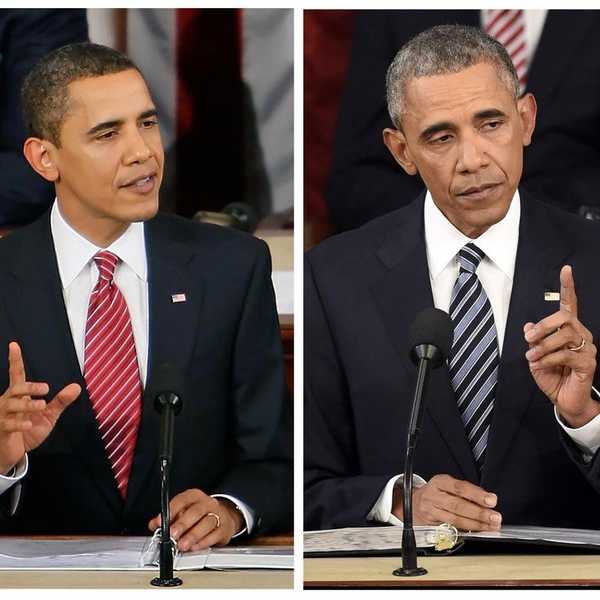
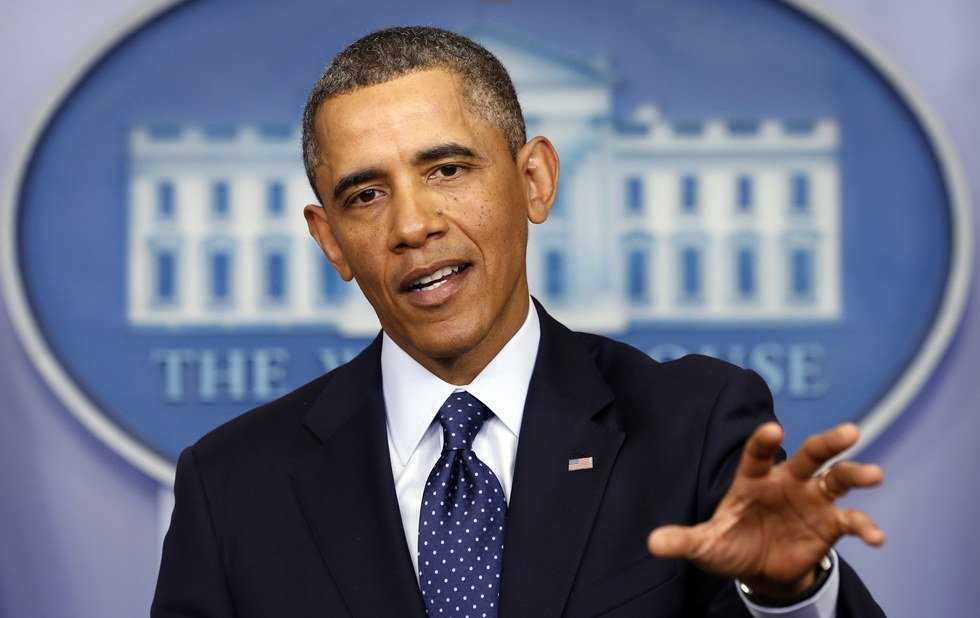
On January 20th of 2017, millennials across America and, arguably, across the globe will be mourning the end of an era – the age of President Barack Obama. It has been an age of iPhones and Apple products, Gifs and Memes, Facebook statuses and Twitter updates. With such heavy media presence in our society, Obama has managed to almost flawlessly navigate his way through it all. His convincingly genuine choreography has given him two consecutive four-year terms in office. His charisma and charm has allowed him to tackle this new age of social media head on and ultimately be extremely successful in today’s celebrity focused culture.
After the 1970’s, people began to rely on the media for information and guidance in selecting their presidents. In his book, The Primetime Presidency of Ronald Reagan, Robert E. Denton explains that “television became the primary means of getting to know the issues and the candidates”. As a result, the U.S. got Ronald Reagan, whose prior acting and motivation speaking knowledge allowed him to become the nation’s first “political performer”.
More recently was the presidency of Bill Clinton who, like Obama, became president during a difficult but defining time in American history. He was the first of the “baby-boomer” generation to win the White House and led the nation to a time of economic growth and prosperity. His affair with Monica Lewinsky was heavily covered by the media, and he was one of the most extraordinary scandals of American presidential history. Yet, Clinton was able to make a successful comeback from the ordeal and remains active on the global stage to this day.
In the 2008 presidential campaign, Obama made his debut in interviews and debates aired across the world. He suddenly became known far and wide for his distinctive speaking and story telling skills as well as his hopeful attitude. As the first African-American elected as President of the United States, Obama’s time in office was bound to be unique from the get-go: however, for millennials such as myself, he will not be remembered for just this feat. Under his Presidency, against almost insurmountable odds, we have witnessed our Supreme Court rule in favor of the health care act and same-sex marriage.
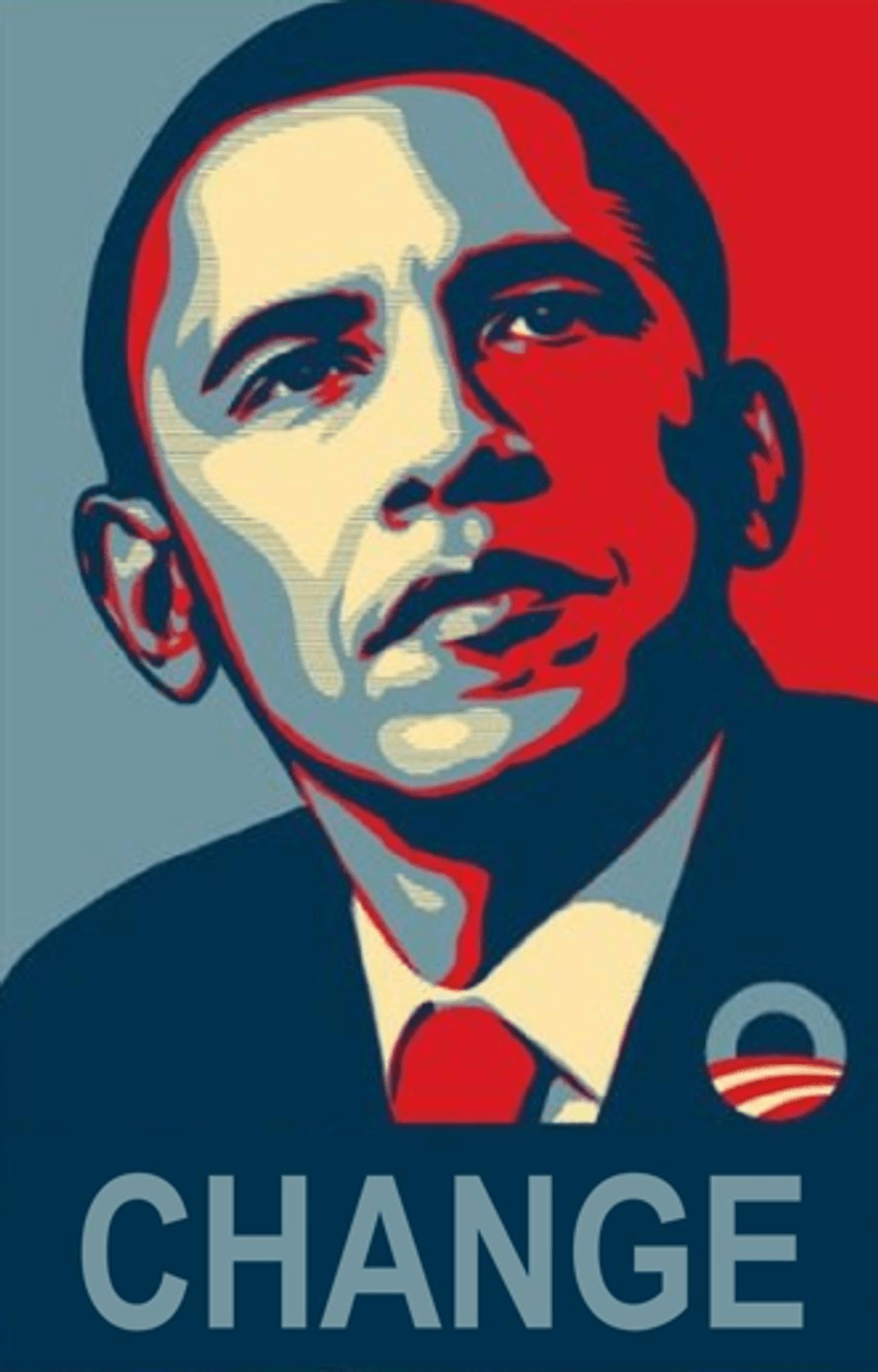
Furthermore, during his time in office, many young Americans have grown to view him as a father figure, a mentor, an icon, and a friend. His heavy media presence and determination to represent all of his country has allowed us to feel as if we actually know him. He joins us in our family room for Oval Office addresses, he makes us laugh in interviews with comedians or in YouTube mash-ups, and he inspires us in engaging, charismatic speeches. President Obama has appeared in all the popular magazines, on numerous talk shows such as Ellen, John Stewart, Jay Leno, and Late Night with Jimmy Fallon, and thousands of Gifs, Vines, or Memes. No other president before him has had the numerous opportunities, the personality, or the willingness to reach out so widely to the American public, specifically the younger generation.
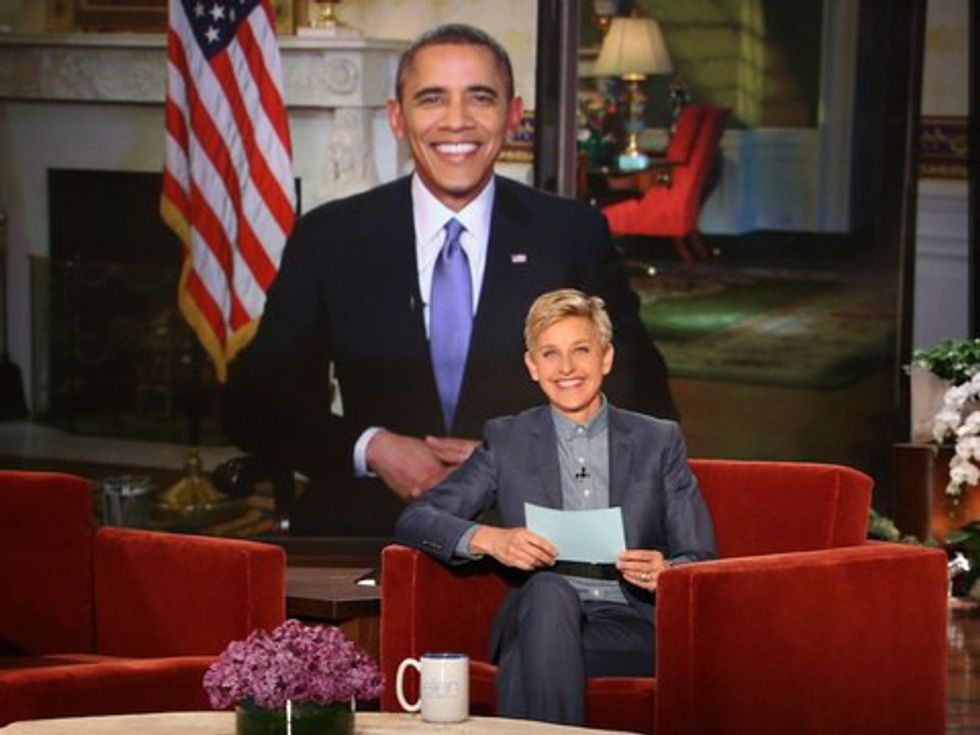
Undoubtedly, he lacks the glamour and elitism that came along with the Kennedys or Reagan; however, he is one of us – or at least that is how he convincingly comes off. As Garry Wills explains in his widely read article, “Behind Obama’s Cool,” Obama’s unique background and multiple points of origin make him adaptable to almost any situation. Though his own background is out of the ordinary, he has the skill to submerge it in other people’s narratives while not seeming insincere (Wills, 2010). His unique history allows him to communicate effectively with a wide range of people, which he has demonstrated regularly through out his presidency. Whether it was delivering an incredibly powerful eulogy at Emanuel African Methodist Episcopal Church in South Carolina, privately visiting the families of each of the Sandy Hook Victims, or being the first president to endorse same-sex marriage, Obama never fails to convey himself as a good man – empathetic, relatable, and kind. The media, thus, the younger generations, can’t get enough of it.
Like those before him, Obama’s presidency has been influenced by the era as much as he has influenced the era. However, unlike those before him, his celebrity status comes not only by who he is, but also for what he stands for – growth and progress, hope and ambition. Future politicians and presidential candidates will look to him and to his campaign strategies in order to be successful. Because of him, younger Americans now expect their president to not only be inspirational, well spoken, and intelligent, but also be a part of pop culture. Now that the challenge has been laid out, the question becomes, will any of our 2016 presidential candidates be able to “do it like Obama can?"

















