The United States worships its politicians. Their elections cost hundreds of millions of dollars, they dominate our news and television, and they're the subject of our best TV shows and movies; in almost every way, they're celebrities. American society has embraced both the idea and the image of career politicians, who dress immaculately, speak with conviction in presidential prose, and most importantly, don't upset the electorate. This in itself is not a problem. The image of a statesman or stateswoman is powerful, respected, and now personifies the United States, but it is little more than that: an image. What really matters when considering politicians for public office is how well the represent their electorate, or how well they are able to solve the Nation's problems. Obviously, politicians can be good representatives in different ways: one being that they cater to their electorate, and the other being that they are trusted by their electorate to make the right decisions, but in both ways they are expected to be "political".
This is where a problem arises.
Enter activists: the proponents of social and systemic change that drive movements, change minds, and cause a hell of a lot of controversy. Activists, like politicians, also have many forms. They exist in the form of lobbyists, who directly appeal to congresspersons, or social activists, who appeal to the public. In both forms, they have an agenda that they are trying to promote, and will aggressively promote that agenda until it is accepted and implemented. Politicians and activists don't get along because of the very nature of their roles. Activists are too outspoken and too single-issue driven to represent a large electorate, and politicians are too vague and politically correct to speak out for or against a single issue. This, I believe, is a natural byproduct of our democratic government, where politicians' personal beliefs are moderated by their very own electorate. In this system, no progress is achieved without politicians working with activists to solve a problem.
The most notable example of this happening is during the Civil Rights Movement, when Martin Luther King Jr. appealed to Lyndon B. Johnson many times for the passage of civil rights legislation allowing Black citizens to vote. These historic conversations that occurred between the two men who epitomized the roles of "activist" and "politician" revealed the dynamic we often don't see. MLK's persistence was consistently met with rejection from LBJ, who as a politician could not endorse such controversial legislation, even if it was clearly the right thing to do. Only after the riots in Selma, Alabama did the minds of the President's electorate change, allowing him to propose the legislation. His role of "politician" rendered him a prisoner of the citizens, where by threat of not winning reelection he couldn't be an activist.
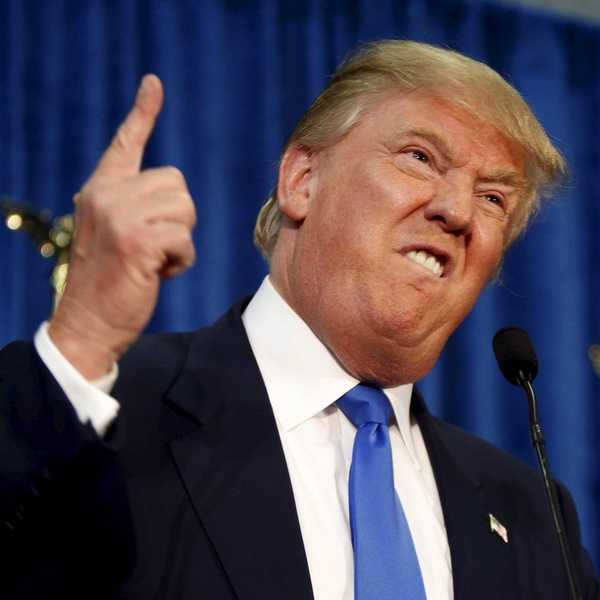
Now, in 2015, we see a change in the Nation's expectations from politicians. Last week, Black Lives Matter activists took over Bernie Sanders' stage at a rally in Seattle, Washington, to criticize him for failing to take action against inequality in criminal justice and other racial issues. Sanders has been an activist in the past, and on some issues, he separates himself from "other politicians" by playing himself off as the activist in 2016. However, when it came to Black Lives Matter, his involvement in the Civil Rights Movement and 100% rating from the NAACP didn't quite cut it. People are now demanding that politicians be more abrasive, and show the public that not only are they able to be a good representative, but that they believe in an agenda that will take the nation in the right direction. At this point in time, that means taking on the growing problem of inequality in criminal justice head on. We're starting to see Republican politicians be questioned with the same intensity as Sanders was about their core beliefs and what they stand for. I would argue that Donald Trump's popularity is the positive response from his blunt and steadfast activism, albeit for bad policies.
If the recent turn of events is any indication of what the public is looking for in the next US president, then the candidates who show the most transparency, and who break away from the mold of the "politician" will end up on top. The real question will be whether politicians will have the guts to advocate policies before the public does.