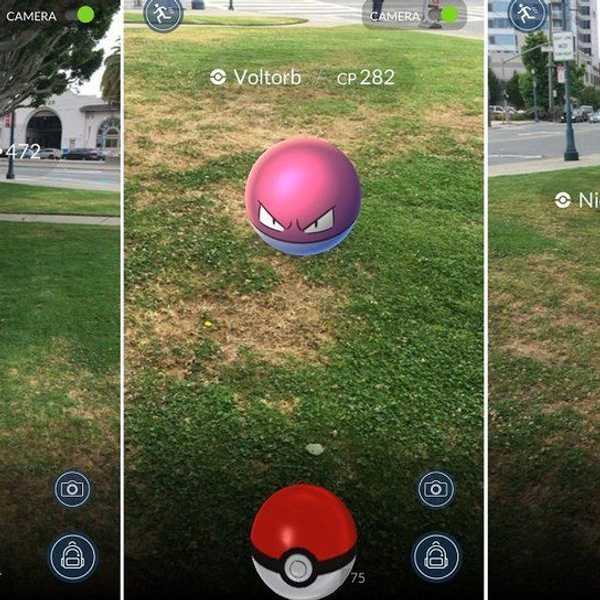
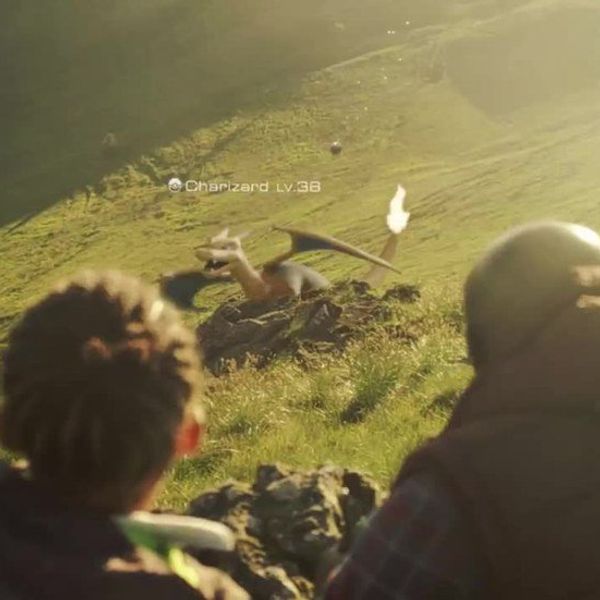
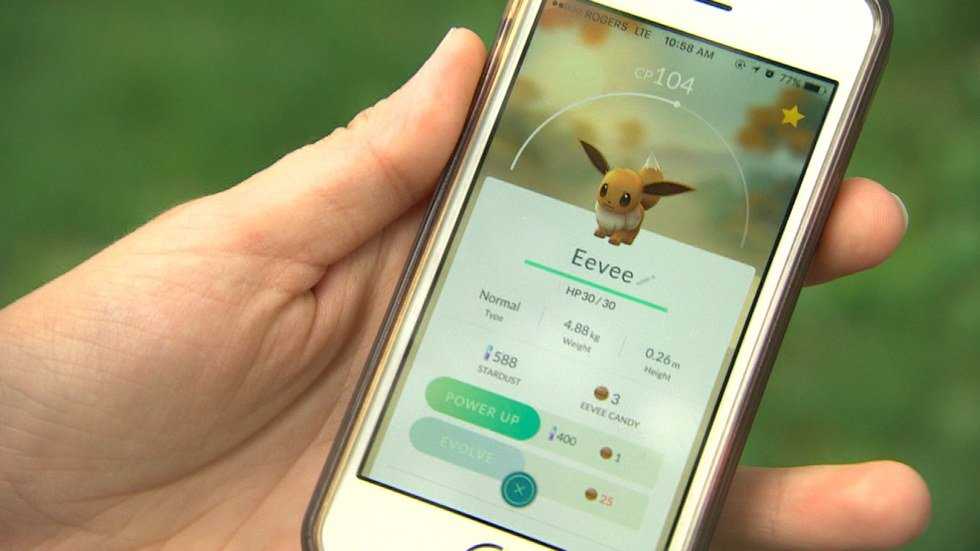
There are many things which makes Pokémon Go a revolutionary app. In terms of popularity, it has dusted apps like Twitter and will likely overtake Snapchat and Google Maps. Scores of people around the the world have downloaded it, filling the streets with people tapping on their screens and looking vaguely distracted while they travel in packs or on bikes.
I have been eagerly awaiting the release of Go ever since I heard rumors of a augmented reality based video game one could use with their phone. Up to the day I realized it was actually available, I thought the game was too good to be true. The idea of traveling my own concrete world and catching the creatures I have grown to know and love through my imagination, television, Gameboy, Nintendo DS and 3DS seemed like a fantasy.
This past week has felt like a bit of a fantasy, but not in the same way I would expect from such a revolutionary game. It has taken the American culture by storm so quickly and so thoroughly I feel we are all too caught up in it to actually take a set back and think about the game's role in our culture and what it might mean for our future.
This, I hope, may be that step away from the hype and criticism. What interests me about the game more than anything is its swift display of combining a rewarding and engaging gaming experience with a larger geographic outside world and how this, along with other pieces of technology which have emerged recently, may signal the powerful role augmented reality may play with life in the future.
I think the cultural impact of this game is likely best seen for yourself, as the number of people who have left their homes to stroll the streets has increased sevenfold. Critics of the game have claimed it to be a dangerous distraction to pedestrians and drivers, as news from accidents caused by the game has been heavily reported on by the media. Supporters of the game have claimed this to be an effective way to bring the community together and get exercise. Some research has even shown that Go works wonders for mental illness victims, as it gives motivation and purpose for socializing and exercise.
What is clear about the game is its popularity, but also the level of technology which is needed to pull off such a unique gaming experience. Using GPS is nothing exactly new, but combining GPS with the technology of a hand-held video game is something quite impressive. Pokémon Go is the most popular in the emerging augmented reality tech advances recently, with headsets like Oculus Rift providing a public means to experience a visual virtual reality. While Go offers less of a visual experience as Oculus, its ability to merge geography and the gaming world has been nothing short of revolutionary, as the cultural swell under the game has shown.
If augmented reality can be so popular, what will it mean for the culture of our future? If virtual reality technology keeps improving as it does, it only seems likely that the popularity of augmented reality will also increase.
At first this might seem quite scary. Science-fiction dystopian ideas might come to mind such as people spending all their time in virtual worlds rather than the concrete one, as the virtual gaming experience might be more rewarding or interesting than our own lives. But, as Pokémon Go has shown, augmented reality might be motivation to experience the real world, as the amount of people getting exercise and leaving their homes seems to have increased dramatically.
Being both a fan of long walks and the Pokémon franchise, it’s no surprise to me that I have been playing a significant amount of it this week, though not nearly as much as I would have expected. I have fun with the game, but there is something which has set me off which I can’t quite put my finger on. When I go on walks, I do it for the same reason I write, run, or travel. Walking allows me to have an emotional release and appreciate the joy of locomotion and thought while experiencing the aesthetic of the outside world. When I play video games, I do it because I want a complete abandon from my current world and experience a different one, I want to get lost in an experience which isn’t necessarily someone else’s but an experience which is completely void of the laws of experience which my world exists within. When I play Pokémon X or Y, Ruby or Sapphire I want something ridiculously fun which doesn’t require a lot of thought or effort to enjoy.
It seems like Pokémon Go is an odd combination of two pastimes which I am used to existing completely separate – quiet contemplation and cheap thrill. When if I go on a walk by myself while playing Go, my thoughts are pulled away from everything but the next Pokéstop I can get to or the next Pokémon I can catch. I can’t think about my existence or my life, as I am pulled to a world which isn’t really there at all.
While it has been a good way to spend time with friends, it’s hard for me to say that it has felt like the nostalgic world I thought it would feel like if I was actually in a Pokémon world, and maybe that’s a good thing. If it had all of the experience another world could offer, would I ever come out of it?
I doubt Pokémon Go in itself is a danger to culture and experience; in fact I think the game has shown to have a very positive impact on people who struggle to find the courage to go outdoors. I think the thing we should think about as technology catches up with our fantasies is if a world could be created which had a full experience, beyond what we know traditionally from current movies and video games, could it be compelling enough to keep us away from our lives, rather than add joy to it?
Or, if a separate digital world was so interesting that it was more fun than reality, would that question even matter?