

Within the past few weeks, the amount of vocal participation, both politically and socially charged, has increased dramatically across the country. Citizens have unapologetically exercised their first amendment right, following in the footsteps of what celebrities and high profile individuals have done and continue to do. This essentially means three things. One, that citizens have realized their complete potential in terms of utilizing their voice. Secondly, celebrities aren’t done exercising their platform to reach substantial audiences. And last but certainly not least, a faux-hybrid of the two: freedom of speech is not dead.
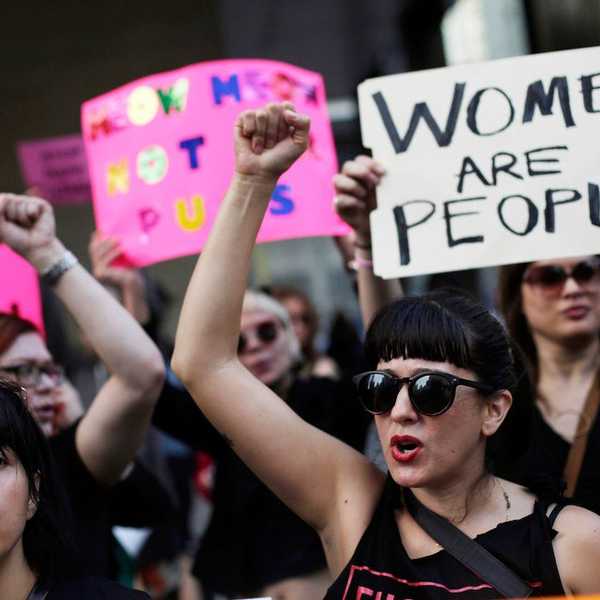
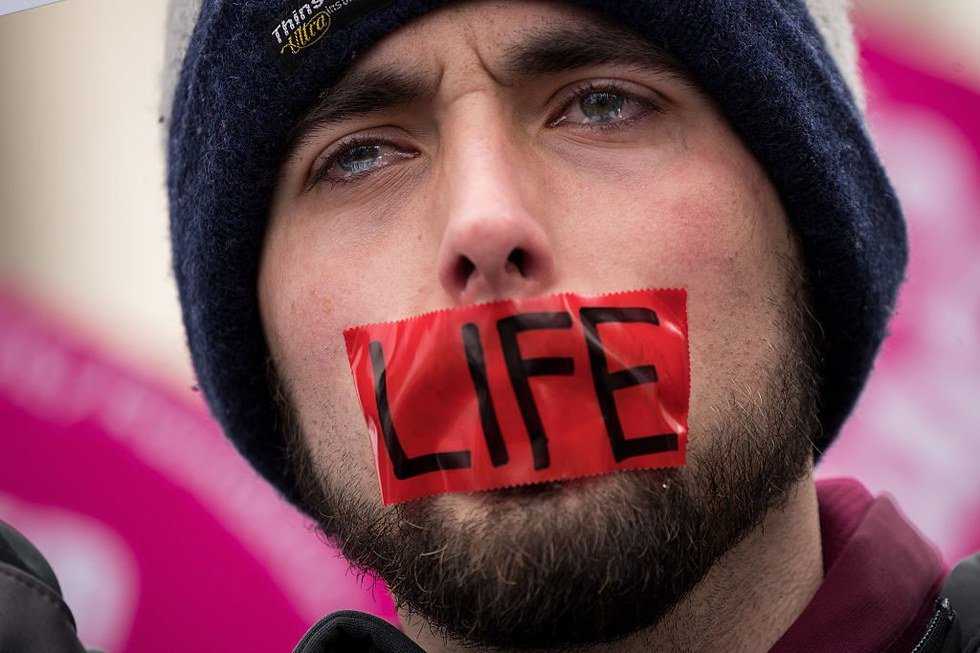
Peaceful protest became the norm of January, regardless of the political affiliation that charged the desire to speak out. The media primarily covered the uproar that arose from President Trump’s executive order banning immigration from seven predominantly Muslim countries. Although Democrats comprised the majority of these marches, people from every point on the political spectrum appeared to have their voice heard. In addition to the more publically illuminated protests, two other enormous showcases of citizen's voice were put on display with less media attention, both occurring in Washington D.C. The first of the two was the Women’s March on Washington where both genders expressed their resilient support for feminism and women’s rights. The second of the two, although even less publicized than the aforementioned march, produced a similarly impressive amount of people. The 2017 March for Life featured a plethora of different ages, religions and political backgrounds advocating for the right to life concerning abortion and euthanasia.
The best part about these three marches wasn’t the fact that millions of people expressed their passions and concerns with the rest of the country, although albeit this is immensely important. The best part is that the millions of people, at least the vast majority of them, were average citizens not typically used to having their voices heard on a national platform. This is not to say any of these communions of human expression have not been met with any backlash. Some opponents of the protesting find it to be both unnecessary and distasteful, stating it represents the reluctance to lose in the millennial generation. However, when it comes to being heard, any press is good press, for the reaction cultivated is the culminating goal, and not the connotation behind it.
Behind the cross-country desire to express current concerning beliefs are the celebrities whose voices have been speaking out for years. For example, Lady Gaga, known for her political activism, flamboyant showmanship and innate desire to express herself as authentically as possible, took the stage at Super Bowl LI’s halftime show. With censorship breathing down her neck, Gaga went for a subtle statement, which eventually created just as much or more of a response than something of higher magnitude would have done. Morgan Freeman, Mark Wahlberg, Tom Brady, Leonardo DiCaprio and countless others have expressed their thoughts on the current political situation. Regardless of the statement, people are listening.
For the first time in a while, the first amendment is being exercised to its fullest potential. Right and left alike are tired of staying silent and will continue to have their voice heard under whatever circumstances.

















