By the time you're done with this album, the funk shall be within you.
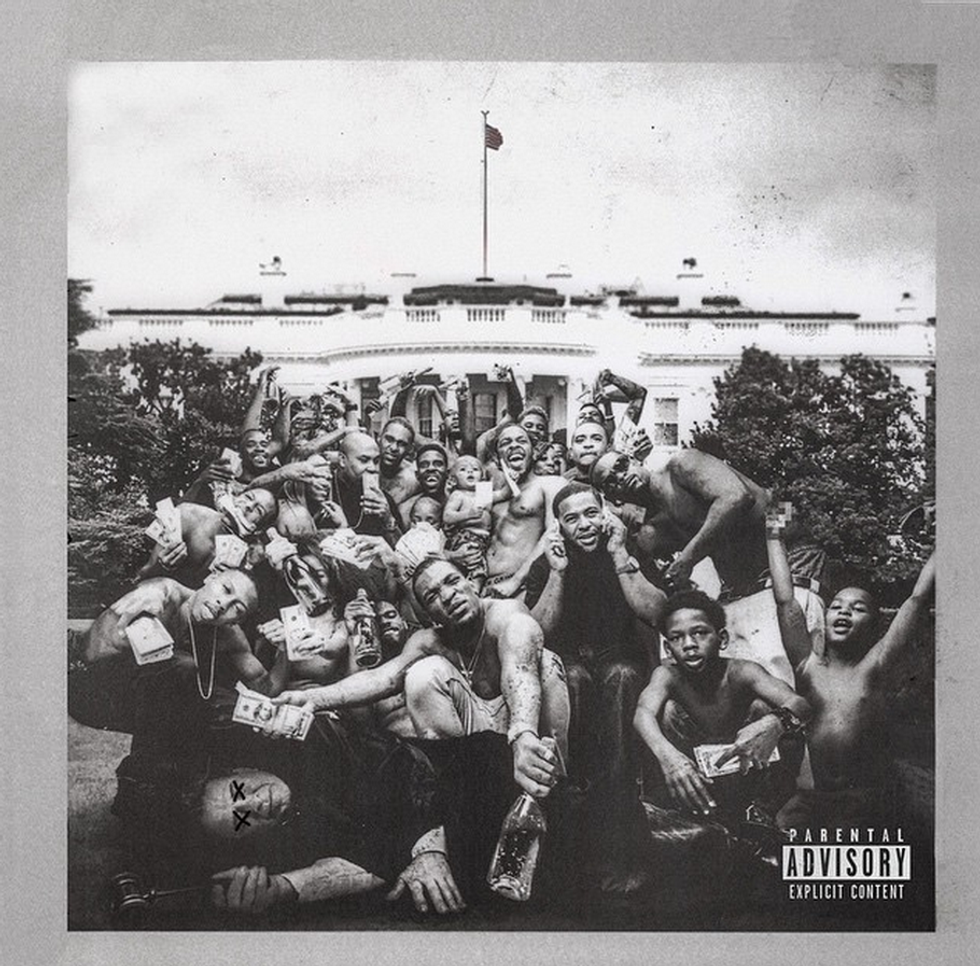
"To Pimp A Butterfly," Kendrick Lamar's third studio album, is an uppercut to your sense of racial awareness, dragging today's struggle for recognition, appreciation and equality backwards through time using refreshingly nostalgic production and narratives.
For an album as hyped and anticipated as it was, it will still come as a surprise to many just how far Kendrick has deviated from the thematic and productive nuances that made "Good Kid, M.A.A.D City" such a fan favorite. Gone is the sense of youthful indiscretion and childhood nostalgia that forged the backdrop of one of hip-hop's best expositions on gang violence and inner city turmoil. And gone, too, are the vivid descriptions of said inner city strife. Instead, what you'll find in "To Pimp A Butterfly" is the masterful depiction of a world that is at once much bigger than the streets of Kendrick's youth, but all the more dangerous and repressive, and even a tad funkadelic.
The domain that Kendrick explores in "To Pimp A Butterfly" transcends space and time, encompassing the struggles of black existence in every form and flavor. There's something from every era of African-American and African expression present in this album, with '80s inspired funk ("King Kunta," "Wesley's Theory," "Hood Politics"), '90s soul and R&B ("You Ain't Gotta Lie," "Complexion") and even displays of spoken word poetry ("For Free?"), being some of the most recognizable examples. Jazzy, funky and melodic at moments, industrial, stringy and brutal at others; through it all, "To Pimp A Butterfly" manages to remain an ode to all things culturally and sonically black.
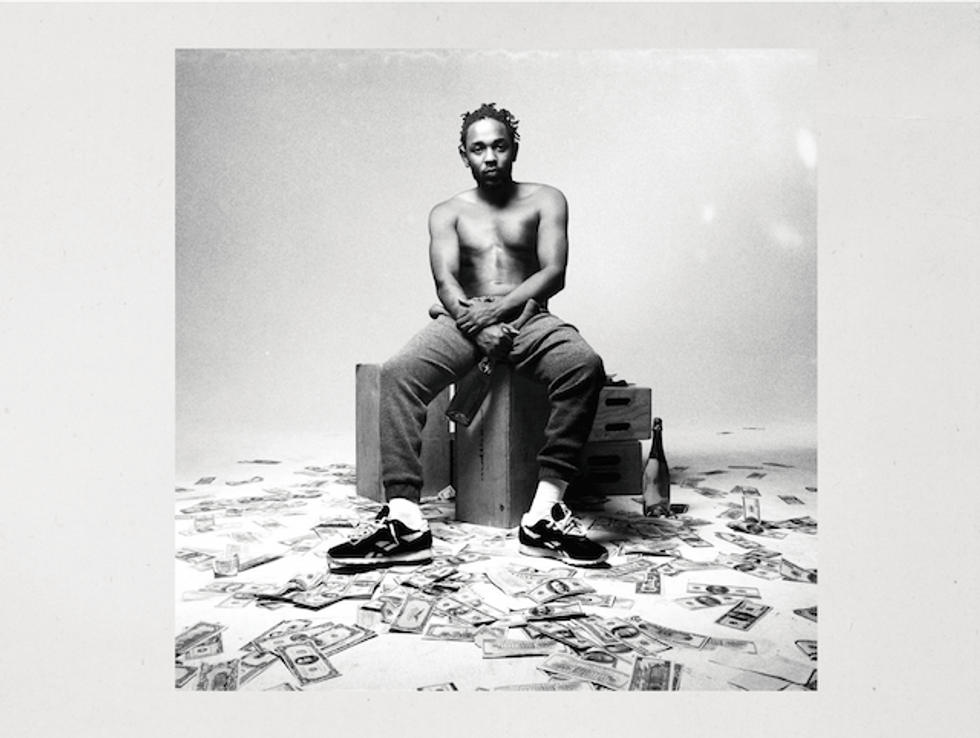
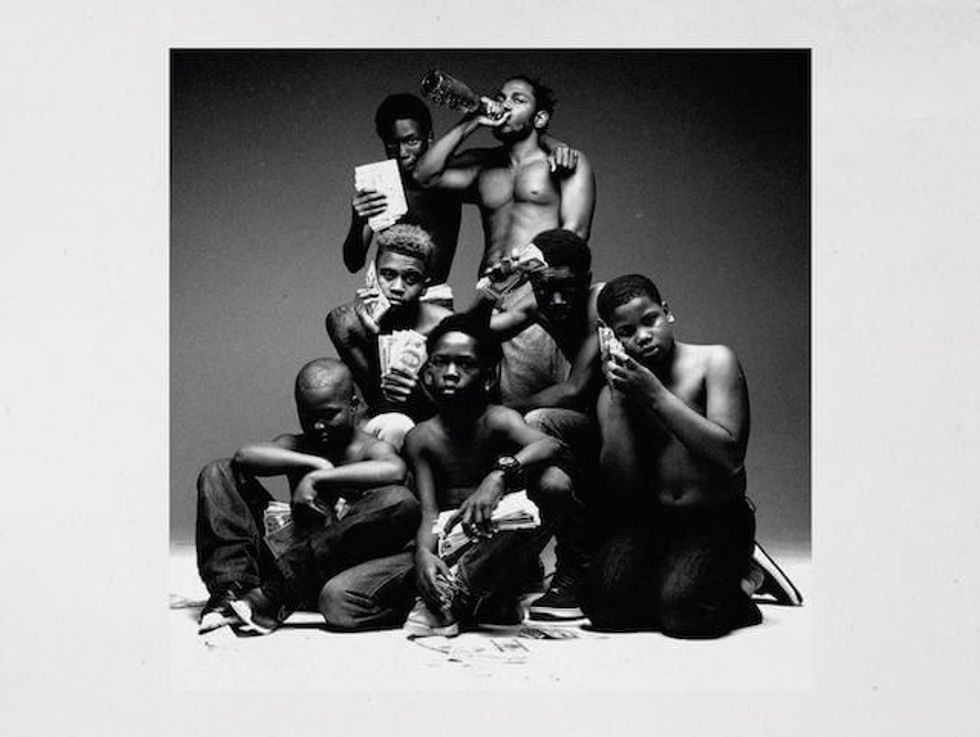
The opening moments of the album, and the album cover itself, serve as prime examples of just how far Kendrick is willing to go to ring in this point. From brash, explosive exclamations of frustration ("The Blacker The Berry," "Hood Politics," "u") to melodic pontifications of the socio-economic and racial barriers that have existed since white and black first encountered one another ("Complexion," "Wesley's Theory," "King Kunta"), it is incredible how Kendrick plays this racially charged balancing act with such tightrope precision.
Technique-wise, Kendrick is at top form, effortlessly switching between his trademark rapid-fire staccato for smoother, more melodic flows as it suits him. Lyrically, Kendrick has no match, as he bounces from witty observations about the trappings of fame ("Wesley's Theory," "You Ain't Gotta Lie," "For Sale?") and razor sharp, socially relevant commentary to engaging lyrical self-immolation ("How Much Does A Dollar Cost," "u"), making the album a true exercise in lyricism as a craft.
It is also worth mentioning that "To Pimp A Butterfly" is the most quotable hip-hop album to grace airwaves in years. You will be making "Boo boo," "What's the yams?" and "This **** ain't free..." references from here until the end of days. And if not, well, you're doing it wrong.
There was no doubt that Kendrick Lamar's second major label offering would be supported by the world's best music technicians, therefore it is no surprise that the album is sonically gorgeous. For audiophiles looking for a hip-hop album with tight production and expansive beats, "To Pimp A Butterfly" is executively produced by none other than Dr. Dre himself, and added to by an eclectic assortment of high flying producers such as Flying Lotus, Thundercat and Boi-1da. Sounwave, TDE's in-house producer and the man behind much of "Good Kid," never skips a beat, deftly ensuring that "To Pimp A Butterfly," much like its predecessor, accompanies Kendrick's winding narrative with thematically fitting compositions. The production on "King Kunta", "u" and "The Blacker the Berry" in particular, show how symbiotic Kendrick's vision is with the album's production values.
Kendrick Lamar's "To Pimp A Butterfly" is an album with a mission. Kendrick has shown us that although his world -- and career -- began on the streets of the M.A.A.d city of Compton, he will not be content with languishing there, as he opens up a new world filled with ecstatic, groovy, pulsing black rhythms for us to explore.
After listening through the album a few times, you really get a sense that every line, hook, bump, break, screech and pop was chosen strategically, making the overall product feel less like self-aware, shock value tinged fan-fare and more like a brilliantly twisted game of chess. Except in this game, black moves first and Kendrick wins every time. With so much to love about this album and almost nothing to hate, there should be no missing out on this masterpiece.