

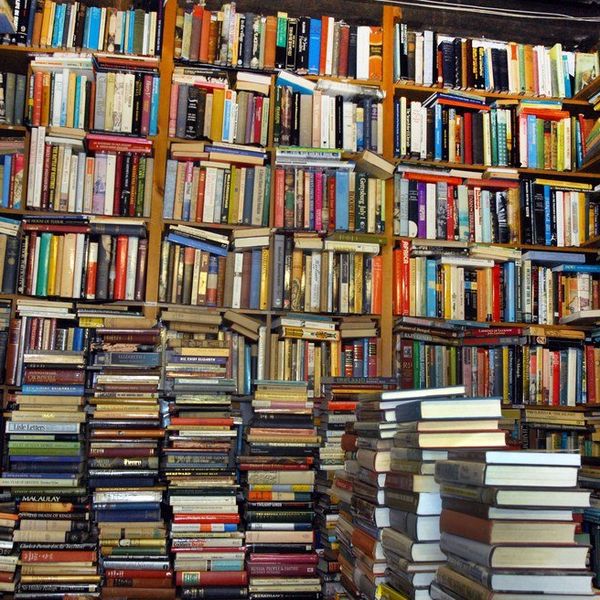
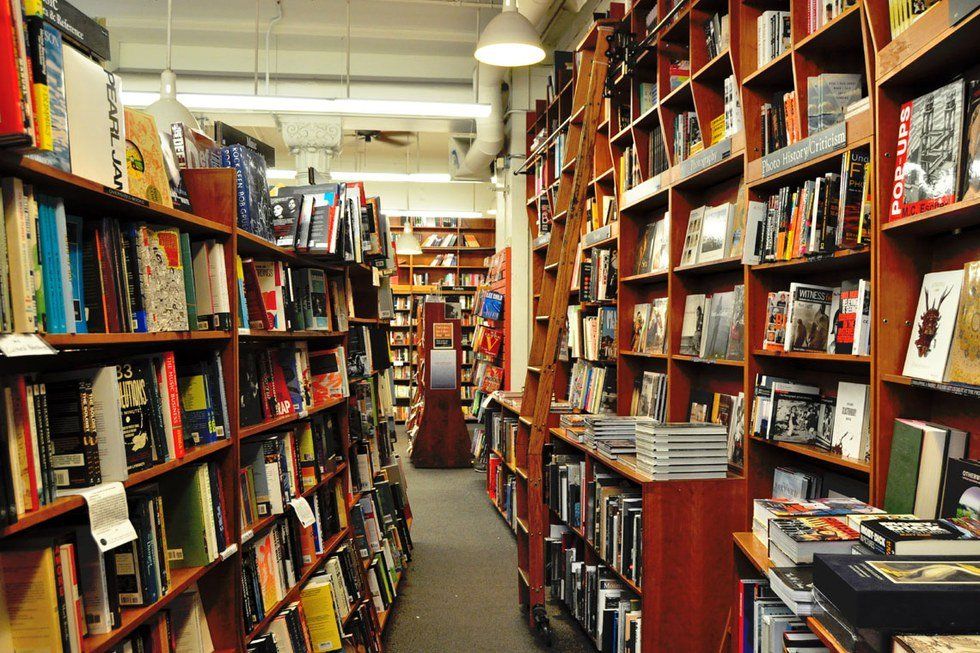
After finishing my weekly Friday run along the Charles River, I found myself perusing the shelves of the Harvard Bookstore. I imagine it was the meticulously-lined paperback books in the window display that lured me in.
Scanning the rows of books like I would an art gallery, I gravitated towards titles that piqued my interests, flipping through the first few pages, picking up snippets of ideas. (In other words, I judged the books by their covers. Whoops.)
The first to catch my eye was "100 Years of the Best American Short Stories" (Lorrie Moore): an anthology/collection of short stories from quintessential Hemingway to contemporary Jhumpa Lahiri.
There was "Chop Suey, USA" (Yong Chen): a fascinating discussion on the history of Chinese immigrants and the popularization of American Chinese Food.
I then stumbled upon "How to Bake Pi" (Eugenia Cheng) and "The Shepherd's Life" (James Rebanks): the former an introduction to the applications of mathematics in cooking and the latter being a documentation of the quaint, austere lifestyles of Northern England shepherds.
In light of recent events in Beirut, Paris, Mali, and the racial
tensions that have erupted across US colleges, including Harvard, I
found myself reassured by the breadth and depth of knowledge that abounded between the spines of
these books. It was brain food, in a sense.
Upon leaving, I realized just how long I'd gone without visiting a bookstore simply for the fun of it. Amid the constant barrage of psets, papers, and midterms, I'd forgotten the pure joy in the confluence of ideas, perspectives, and stories can bring.
Sometimes, a trip to the bookstore is necessary; healthy, even. I left feeling intellectually satiated, yet stimulated -- electrified and more motivated to delve back into my studies.
















