Over the course of freshman year, my roommate and I stayed extremely close. We were involved in different things around campus, so we did not see each other much during the day, but instead caught up at night. Many times we would just sit in our beds and talk about was on our minds, whether it was funny, serious or in-between. One late night conversation, in particular, stood out.
We were both scrolling through our Instagram feeds and my roommate stumbled upon a picture of an “Instagram Celebrity." She showed me the picture and to her surprise, I had never heard of the girl who posted the photo. I glanced at her profile and realized she had thousands upon thousands of followers, some of whom were my friends. At first, I was confused; this girl is not an actress or someone in the public eye, so why are so many people fascinated with her life? As I scrolled through her profile, the answer to this question became apparent: she appears to be perfect.
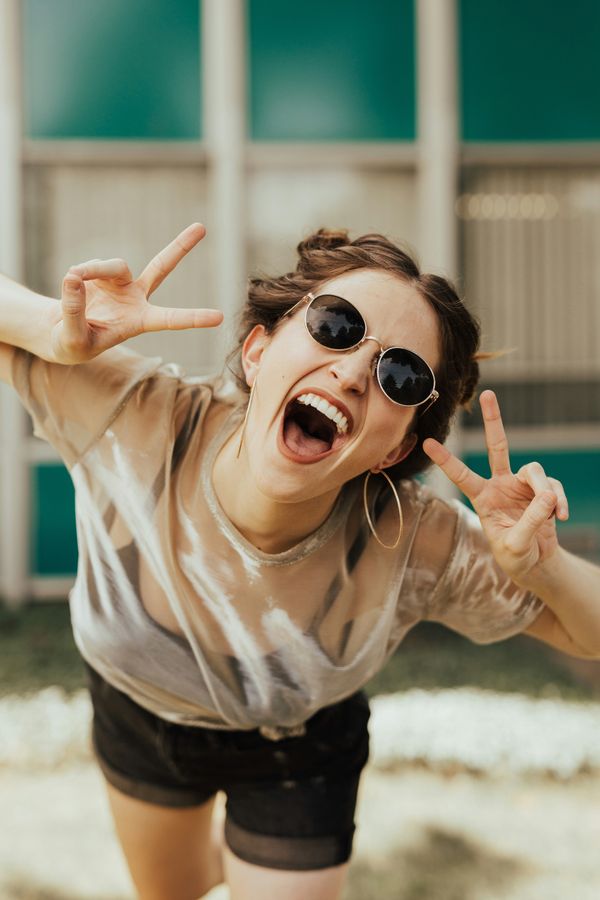
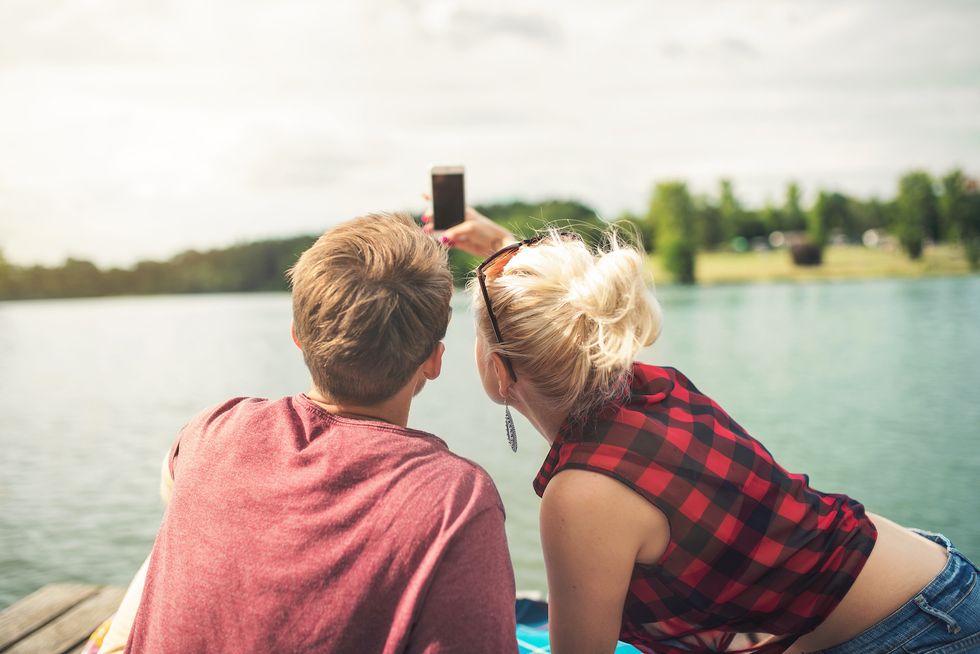
I began to look at her photos, and before I knew it I had spent much more time than I’d like to admit on her profile. Honestly, her life fascinated me. In every picture, she looked perfect. She had a handsome boyfriend, beautiful friends, amazing scenery behind her and she looked extremely happy. I’ve never considered myself an envious person, but after looking at these photos I began to wish that my life was more “perfect”. This girl did not seem to have a problem in the world, which is something we would all love to experience.
Weeks passed, and I continued to think about this “perfect” Instagram. I realized that there are hundreds of other accounts just like the one I saw, and some have millions of followers. Each profile is basically the same: the people depicted in the photos look like they are living in a fantasy. Despite this, I realized that these Instagram accounts were ignoring one really important detail: reality.
Instagram encourages people to forget that pictures only capture a single snapshot of an event. Not only are the pictures on Instagram a single snapshot, they are also the best snapshot. No one knows how many pictures one combs through to find the “perfect” photo or what was going on in the person's life during that moment. Everyone experiences hardships in their life and a perfect Instagram aesthetic does not change this fact.
It took me a long time to realize this seemingly obvious truth, and I am nineteen years old. Compared to other Instagram users, I am not in the younger crowd. Kids as young as elementary school are using Instagram and follow many of the “perfect” accounts. Luckily, social media was not a large influence on my early childhood. I cannot imagine how self-conscious 14-year-old me would have felt after scrolling through my Instagram feed. Unfortunately, kids around the world receive this idea of perfection every day, and it’s becoming an epidemic.
I don’t think an answer to this problem is ending social media. That would be impractical and negate all of the positive connections social media has created. Although I know that ending social media is not a viable solution, I do not have an answer. Maybe it involves requiring an age limit for Instagram? Or restricting the editing on photos? Or even requiring a paid subscription for the app so it has more limited use? There are thousands of different solutions, but none can solve the issue as a whole.
Society must change. There is no room for positive self-esteem in a society that promotes perfection. Overall, the word “perfect” should never be used because it is something that does not exist. Everyone experiences struggles, happiness, anxiety, grief and love because that is what life is. Life is not the “perfect” image displayed on Instagram, but rather it is reality.