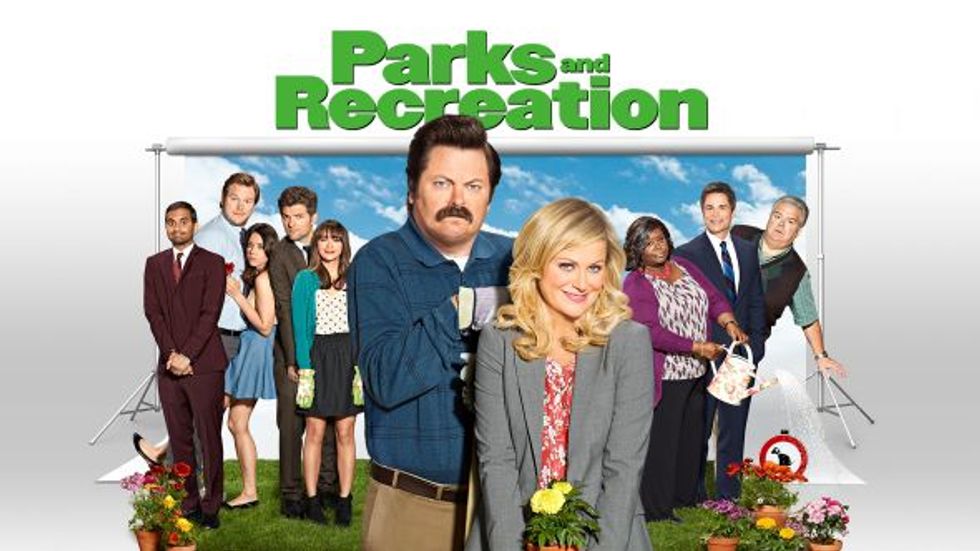
In the heart of Indiana lies the Podunk town of Pawnee, a place best known for its astronomically high obesity rate and comically dense citizens. The government running Pawnee is just as quirky as the town itself, especially the city’s Department of Parks and Recreation. This is the premise of NBC’s wildly popular mockumentary, "Parks and Recreation," which follows the daily antics of Parks Director Leslie Knope and her office of odd but lovable co-workers. Through political-dynamo Leslie and company, the show conveys a very important underlying theme—the need for gender equality and demonstration of female excellence. The feminism displayed in "Parks and Recreation" is far superior to the feminism of other television shows, for it does not entertain gender-binding stereotypes for women, nor, most radically, men.
Each endearing character embodies a different kind of feminism in the most perfect way.Leslie Knope
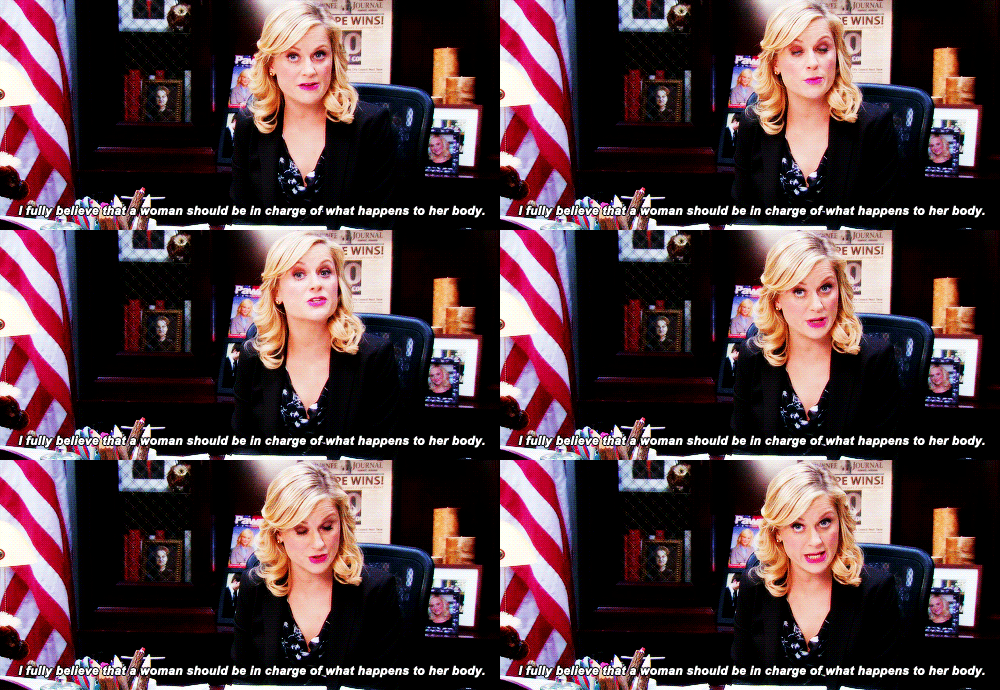
The most obvious pioneer of gender equality in this show is Leslie. She is the epitome of everything a healthy and strong feminist woman should be. Leslie builds up her fellow women instead of tearing them down, respects men while also not tolerating any of their misogyny and strives to educate women and men of all ages about the capabilities of women and the need for gender equality. Leslie also destroys the idea that a woman must choose between a career and a family, proving that women should not be treated as less, simply because they are the ones that bear children. She fantastically raises her triplets while also maintaining a federal career and a healthy marriage.
Ron Swanson
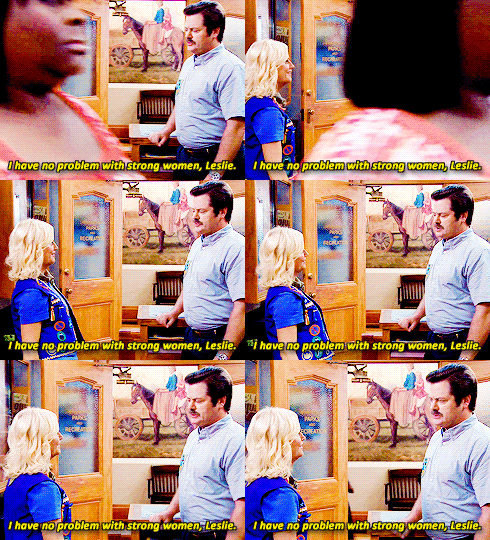
What makes the feminism of "Parks and Recreation" different from that of other programs is the fact that not only are the women of the show awesome, independent feminists, the male characters are refreshing advocates of gender equality as well. The character of Ron Swanson—a steak-loving, surly libertarian with a full broom mustache—very efficiently destroys the myth that when a man respects women, his masculinity diminishes. Ron embodies all aspects of what it means to be manly to the extreme, yet he still holds the women in his life as equal to him.
Donna Meagle
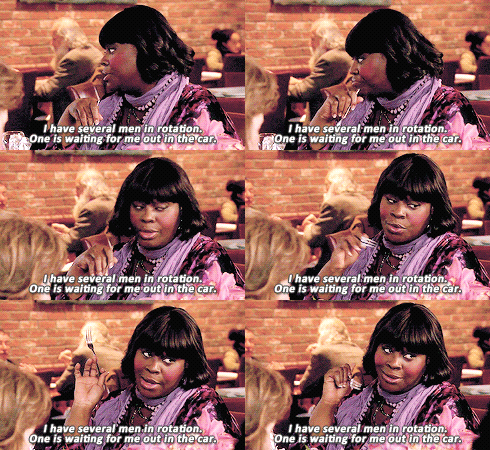
Donna Meagle loves herself despite the fact that she doesn’t necessarily represent traditional European standards of beauty. She is heavy and dark
Ben Wyatt
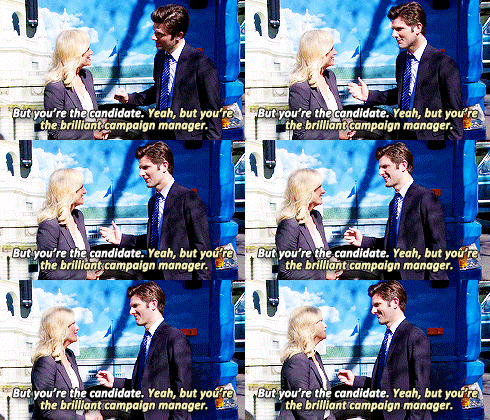
Leslie and Ben made their marriage flourish despite their intense careers and large family by sharing
Andy Dwyer
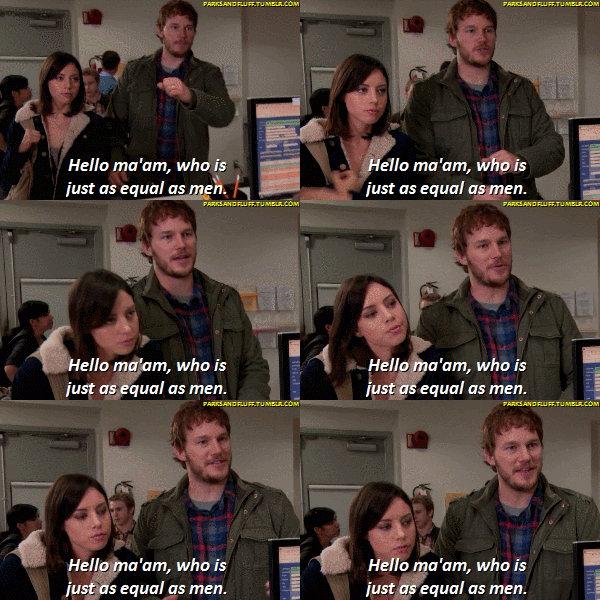
Andy is the good-hearted and childlike comic relief of the show. He, however, is sensitive to women and is representative of feminist ideals. Andy seems to see no differences between men and women. In the episode "Pawnee Rangers," Andy becomes an honorary member of the Pawnee Goddesses, a girl scout-like troop, wearing the purple sash proudly without feeling effeminate. He also, in the "Smallest Park" episode, enrolls in a women's study course at his local community college at random and falls in love with it.
What makes the feminism of "Parks and Recreation" so special is that it shines a light on the subject in a comedic, egalitarian manner as opposed to in a man-hating political agenda. Of course, there are many more examples of feminism in the show and a myriad of other characters that represent all shades of gender equality. You will just have to watch "Parks and Recreation" for yourself and enjoy!