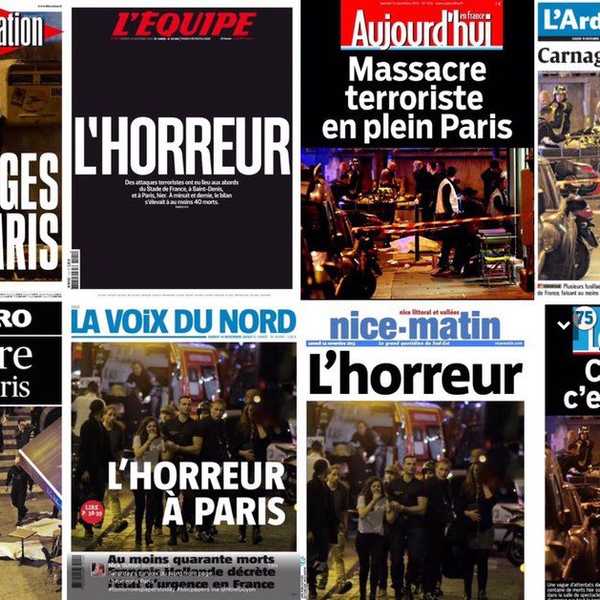
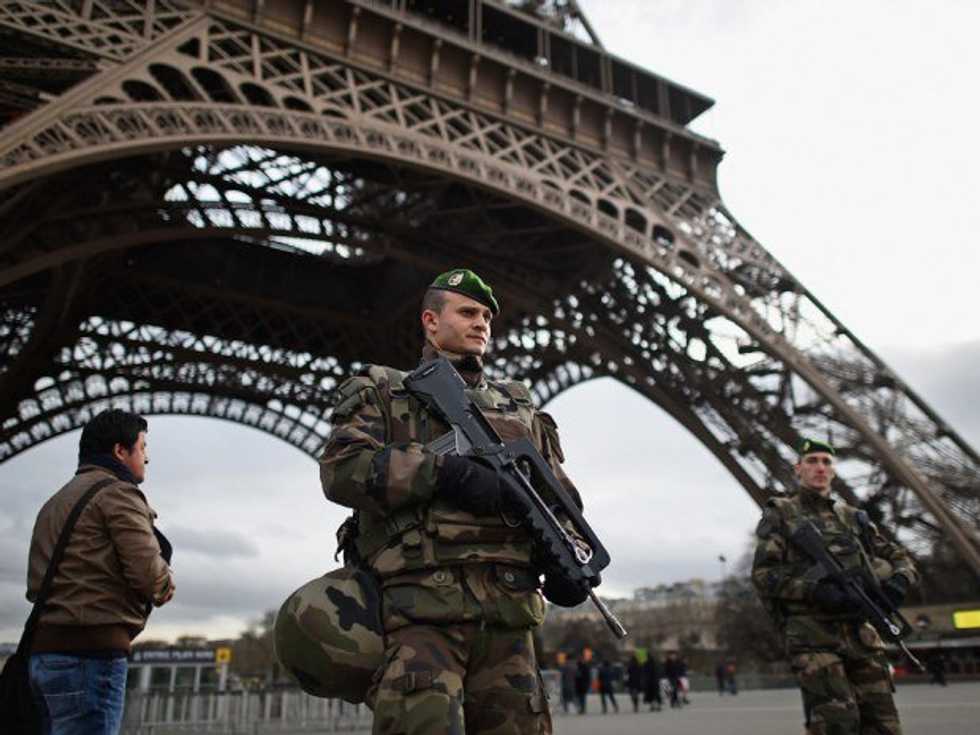
On Friday, Paris was hit by a series of terrorist attacks, which claimed the lives of 129 people.
Explosions erupted outside France’s national soccer stadium during a match against Germany. Two shootings occurred in Paris’ 10th and 11th districts and attackers also took a group of 100 audience members hostage at the Bataclan theatre during a heavy metal concert.
While details still remain unclear about casualties, the Islamic State has claimed responsibility for the attacks. Although the legitimacy of the claim is still in question, most authorities have little doubt as to the Islamic State’s role in the attacks.
Last week I wrote an article outlining why the United States shouldn’t invade Iraq and Syria with the goal of eradicating the Islamic State. I still hold that belief. Invading Iraq and Syria will not solve this problem. But, the U.S. and its allies simply cannot stand aside and do nothing.
Extremism exists everywhere. It is its combination with violence that causes so much harm and creates such a deadly mixture with deadly results. It will require the U.S. and its citizens to unite with people suffering from violence perpetrated by the Islamic State.
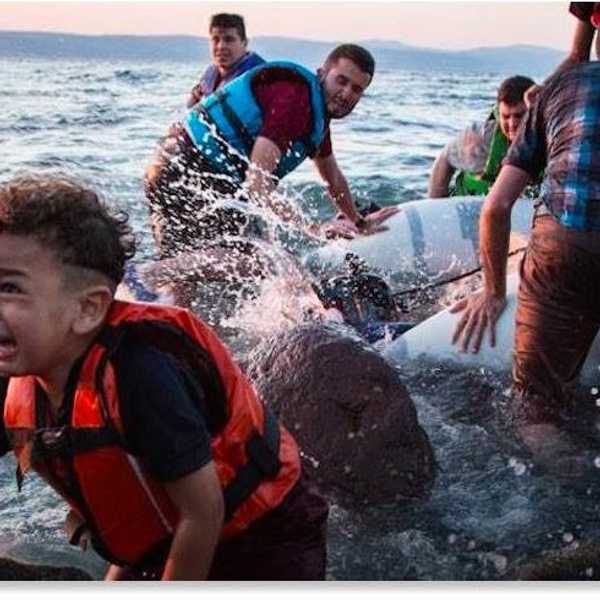
In response to the Paris attacks, the Obama administration hasn’t wavered to move forward with its plan to allow 10,000 Syrian migrants over its borders. The plan requires refugees to undergo 12-18 months of intensive security screenings, with the first refugees able to move across U.S. borders in 2017.
On Saturday night, CBS News structured its democratic presidential debate around the candidates’ responses to the Paris attacks. During the debate, Clinton, Sanders and O’Malley were all generally on the same page; they believed in escalating air strikes, but refused to put U.S. troops on the ground, advocating for the increased involvement of regional allies. All of these responses were expected from the Democratic field.
Most Republicans have been rather quiet on the issue with the exceptions of Huckabee, Cruz, Carson and Santorum. They all argued for increased U.S. involvement and Ben Carson went so far as to suggest U.S. ground troops. All of them opposed President Obama's plan to bring 10,000 Syrian migrants to the U.S.
Here at Colgate, a normal Friday night ensued. Most people were still concerned with their social events, offering only estranged condolences for the Parisian victims.
Surely, the attacks will be a focal point of discussion in political science and peace and conflict classes, as professors hopefully ask students for their input on the tragedy and what policy problems it brings for the United States and its allies.
Sadly, the attack in Paris masked a few victories the U.S. and its allies achieved over the Islamic State on Friday. Jihadi John, the notorious ISIS member known for his beheading videos, was killed in an airstrike. In Iraq, Kurdish and Yazidi fighters took the town of Sinjar from the Islamic State. (last year this city and its neighboring mountain had seen the brutal execution of thousands of Yazidis at the hands of Islamic State fighters).
The Islamic State is a force that threatens all free nations in the world. It can initiate terrorist attacks not only in the West, but also in China and Russia. It is imperative that these powerful countries identify the threat the Islamic State poses.
It is important for Western citizens Instead of directing our anger against Muslims and the Middle East (and all the migrants attempting to escape the violence and chaos), we should unify with all countries suffering from terrorist attacks and make it quite clear that we will not tolerate more extremism ––Islamic, white or otherwise.