


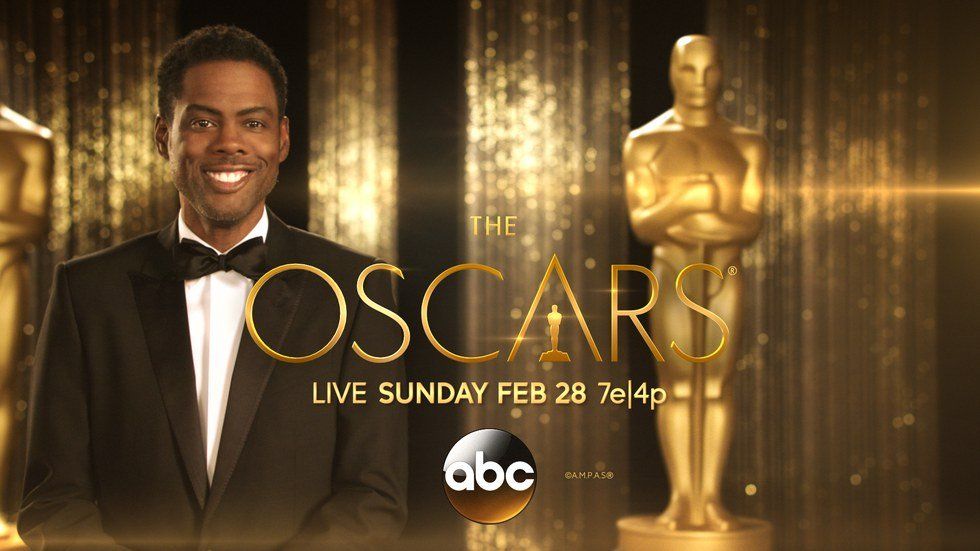
Unless you’ve been living under a rock, you may know of a little awards show called the Academy Awards, better known as the Oscars. This Sunday, February 28, 2016 was the 88th annual broadcast of this ceremony, which celebrates the best actors, musicians and creative teams in cinema for the year. Recently, the nominees for this year were announced, sparking a controversial hashtag that blew up all over the internet: #OscarsSoWhite. The movement started when it was revealed that for the second year in a row, no black actors or members of the creative teams for any nominated film received their own nods.
For example, "Creed", the highly acclaimed spinoff of the "Rocky" series was directed by Ryan Coogler and stars Michael B. Jordan in the title role as Adonis Creed, the estranged son of Rocky’s most valiant opponent, the late Apollo Creed. The film itself did not receive any nominations and neither did Coogler or Jordan. In fact, the only nomination at all went to actor Sylvester Stallone, who while carrying the nostalgia factor of reprising his iconic role as Rocky Balboa, didn’t really serve much of a purpose in the film except to be a catalyst for Creed’s own transformation into a great fighter like his father before him.
Some may say that it was just a fluke that Creed’s black team didn’t receive any Oscar nods, (no matter how deserving they were…) but it’s not. "Straight Outta Compton", a biopic of the late 1980’s hip-hop group N.W.A., stars black unknown actors, such as O’Shea Jackson, Jr., the son of rapper Ice Cube, whom he portrayed in the film. The only Oscar nominations "Compton" received went to its white creative team: Andrea Berloff (screenplay/story), Jonathan Herman (screenplay), S. Leigh Savidge (story), and Alan Wenkus (story). There are multiple other films with black actors and creative team members who all went un-nominated, so we have to ask ourselves: was this an honest mistake by The Academy, or was this major snub intentional?
Academy president Cheryl Boone says that it was simply a “missed opportunity,” and that they are looking for ways to diversify the nominee pool for years to come; "By the year 2020 we want diversification of women, people of color, national origin and sexual preference, disability all across the board to be recognized because of their value to the business of motion pictures.” Let’s hope Boone sticks to her word in the future, and we don’t have to see a year like this one for a while.















