


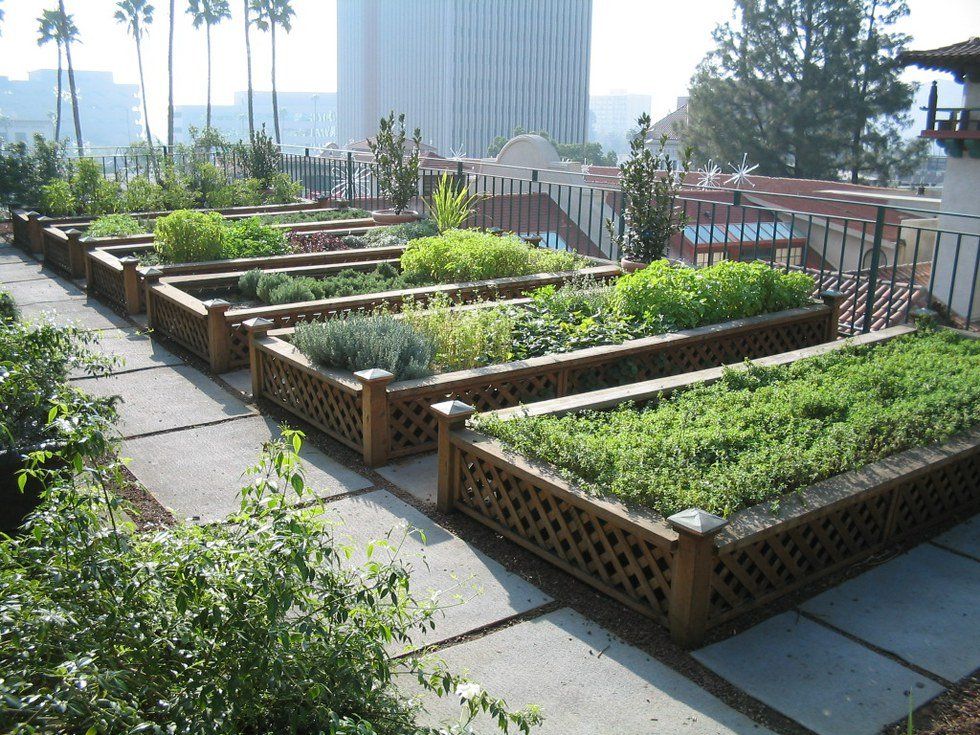
Urban agriculture is farming in an urban area. Urban agriculture can come in many forms, but one of the main forms is urban gardening. Gardens are so beneficial because they can be in small spaces while still growing a variety of food. Typically, people view urban gardening as being something for well-to-do hipsters who have the money, time and social connections to get into this line of work. However, there are more lower class people who work in this business then we think. It is so important for a wide variety of people to get into this business and consume from it because healthy food is important and everyone should have access to it. Urban gardens are important tools to extend the human right of health and nutrition to more people.
A great example of an organic garden which serves the poor is in Atlanta, Georgia. It was opened in 2009 by a homeless shelter. This garden is huge. With 80 beds and many workers, it produces plenty of food, with this first spring harvest yielding 55 pounds of greens. This garden employs people who have or who currently are experiencing homelessness, and who are active within the homeless center. These workers are taught farming and sustainable technologies and the workers get important job skills like marketing and entrepreneurial farming. But even more importantly, participants have access to healthy fruits and vegetables.
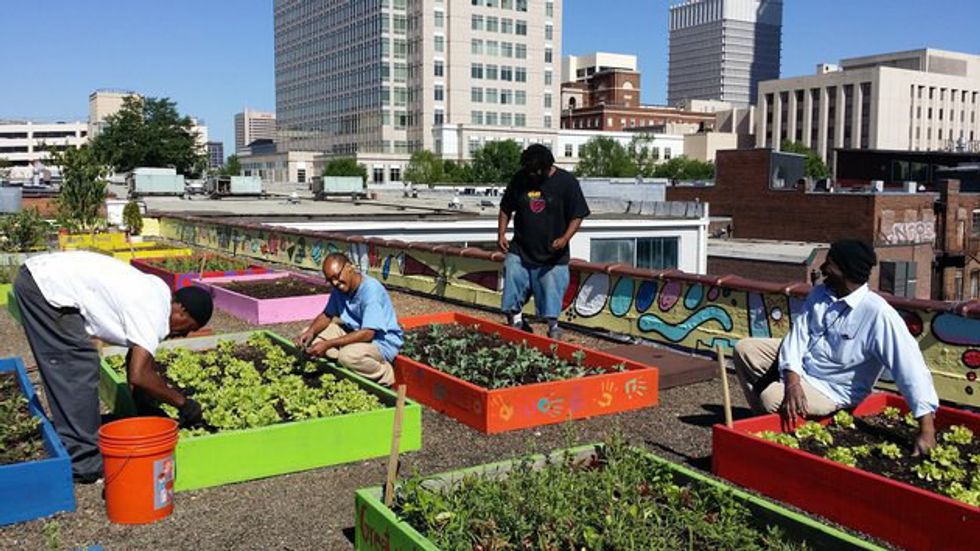
This type of garden tackles the national issue of poorer people's inaccessibility to healthy food in many inner-city areas. Oakland, California has been another pioneering city in tackling this issue head on. During World War II in Oakland, California, African-Americans moved to the city to work in motor industries. They were segregated into housing projects with limited access to basic resources. Ever since the 1960's and 1970's, community garden initiatives have sprung up. Some of the most notable ones was the People of Color Greening Network created in the 1990's and the City Slacker Farms organization which established the Backyard Garden Program to aid West Oakland residents in growing their own food at home. These programs have significantly increased the health of Oakland residents.
The government should be responsible for its wrong-doings in the past which include cutting off public resources to racial-minority neighborhoods and give back those resources which poor people, both black and white, are suffering from the lack of. Increasing the amount of private and public urban organic farming through legislation can be a way of giving a fraction of the necessary resources back to poor neighborhoods. Even middle-class people can consume a lot more organic food. By continuing the increase of organic farming in all urban cities particularly in poor neighborhoods, we will see the importance of organic farming. Its image will be associated less with trying to be a cliche hipster, which will encourage every type of person to participate in it. Urban farming will also become something which gives equality to everyone through strengthening community relations, improving health, lessening unemployment, crime and improving business in the area.
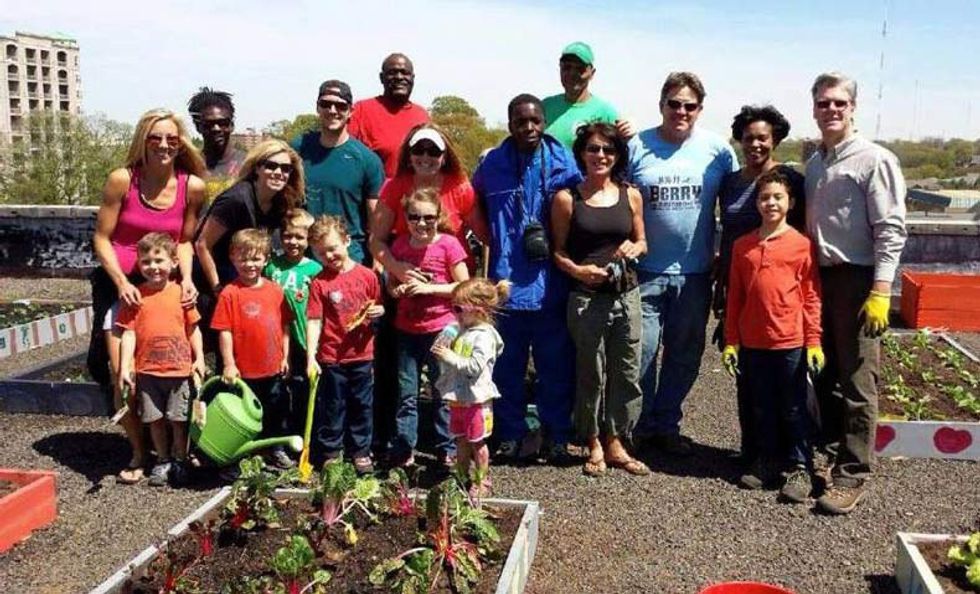
Overall, we are not just doing our part by shopping at local Whole Foods to decrease our inorganic consumption, but we need to try to make organic eating more accessible to the poorer population. Increasing access to healthier food could be done by volunteering at urban farms, voting for initiatives which allow for urban farming and easier access to healthier food, simply cooking food with others at a homeless shelter and using organic products, or keep educating yourself about organic farming and its inaccessibility to the poor.

















