
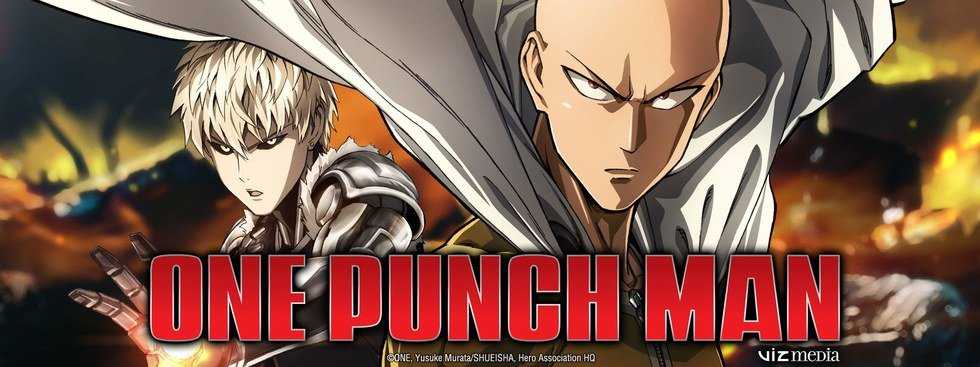
If you’re a fan of anime, or even if you barely know what anime is, there’s a good chance that you’ve heard the title "One Punch Man" somewhere. Whether it be through a multitude of references made on forums or the unswaying fandom that has emerged, "OPM" has broached popular internet culture with force and likely made its way to your feed at one point or another. For those curious about it, "One Punch Man" is a 12 episode anime series that recently garnered a large amount of popularity for its unorthodox premise and comedic execution. Most discourse surrounding the show has focused on how it satirizes the exceedingly stale/overused tropes that have become all too common among modern anime series. Coupled with animation from the inspired individuals at Madhouse studios, "OPM" offers a high-octane experience without any of the archetypical pitfalls of modern anime. This premise, and the popularity that it earned, has highlighted the existing disconnect between anime-consumers and producers. Without a doubt, "OPM" is bigger than just a satire. Even if you don’t care about the semantics of the show itself, you should care about the waves "OPM" is making in the anime production industry. For this reason, "One Punch Man" might very well be the best thing to have happened to anime in quite some time. In order to understand why this is, you need to understand the anime industry.
First, imagine you’re a big-wig anime investor who is looking to fund a new anime series in the hope of making more money than you put in.
Would you…
- a) Fund a show that operates off of new ideas, where the outcome is unsure.
Or...
- b) Fund a show that is not dissimilar from a multitude of other shows, all of which have guaranteed some amount of profit.
If you’re really in the “investor” persona, you probably picked option “b.” Rightfully so, the option offers some amount of guarantee, while the other can promise nothing but novelty. For this reason, modern anime has begun to stagnate. Storylines have become monotonous, operating off of the same old tropes. Characters have begun to blend, even between unrelated series, because they all function off of the same unadventurous writing. Investors have invested in sure gains, while anime consumers have slowly gotten sick of the steady flow of recycled anime. Unfortunately, without anyone taking chances, there was no alternative practice to highlight the consumer’s dissatisfaction. That was, until "One Punch Man" was given a shot.
Witten by ONE and illustrated by Yusuke Murata, the original OPM began its life as an average web comic series. Without any ties to the anime industry, the comic offered a critical opinion of modern anime in the palatable package of comedic-satire. Three years after its first iteration, the comic became hugely popular and would eventually receive 7.9 million hits by June 2012. At this point, anime studios started taking some interest. Even with its online popularity, though, the "OPM" anime series was a risky investment. Bringing ideas from a webcomic (especially anti- anime-dogma ideas), was nowhere near a guaranteed return on investment. The huge success of "OPM," then, should encourage future investors to take chances and fund new ideas. In the best case, "OPM" will mark a paradigm shift: away from “safe anime investments” and towards new, creative ideas.