


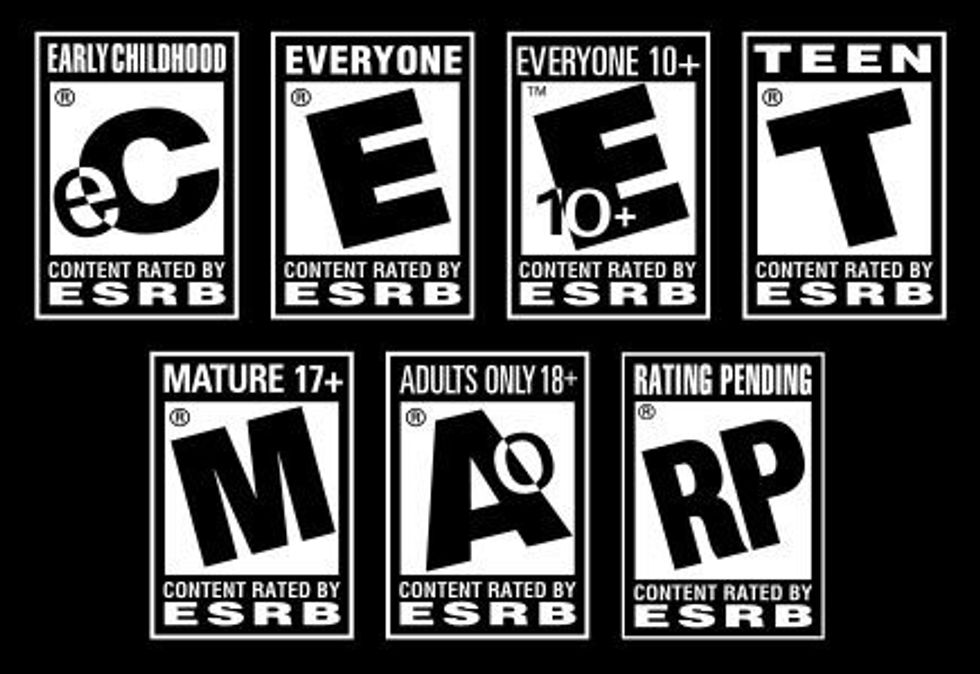
Many parents across the nation are upset over the content of the R-rated movie, "Deadpool." The most common complaints are against the usage of violence, sex and curse words. Now, you would think that most of the hysteria is over the fact that the movie was actually aimed at children, and rated as such to fool parents for their money, or the writers put adult jokes in it that didn't fit the rating, but that is not the case. American culture, for the most part, thinks that the realm of cartoons, comics and other works of illustration are automatically for preschool children or middle schoolers. The assumption that all adult entertainment is in the form of only live action movies and all imaginative work is amateur work, so it is for children. It is dangerous to stereotype media as parents have been learning recently.
Regardless of rating, parents should check their children's entertainment for themselves. As a child, playing games that were marketed for children, I encountered a plethora of adult jokes. An example would be the 1991 classic, "Willy Beamish," a game about a school kid who is aiming to win the video game Nintari competition. The main character has a frog named Horny. It went over my head at the time, but that is just one example among many adult puns in the game. Parents should always screen content and counsel their children on what they just watched, played or read. It is best to really observe a product and what that product's moral teachings to the audience are.
Every parent has the right to complain when a product gives a rating for children and is aimed at children, but doesn't uphold the rating. However, we also need to avoid assuming that superheroes, CGI animation or illustrative works are only for children. It is parents, not writers and artists, who have the responsibility to carry a belief system to their children.
Not everyone's parenting is the same, but if parents want to be aware of what their children are actually watching, then they should watch it with them. If parents don't agree with the content, then that becomes a great teaching moment. Throughout my childhood, my mother would play video games and watch television or movies with my siblings. Since my mother has a big influence on me, I did not believe that I could run into a boulder and stick dynamite in my ears and live to tell the story like they did on the Looney Tunes. The children who go on and repeat what they see on TV and act it out all the time were more likely to not have a parent around to educate them on what they saw. Instead, their parents would just sit them in front of the TV and assume the cartoons would run on all day past 9 p.m. and be appropriate for their children.
If it is the case that the distributor misrated a product that was supposed to be for children, and the product does not reflect that, parents have a valid reason to be disappointed. However, no matter the rating, parents should be engaged in the media their children are consuming. There are many different ideas of "moral" or "kid friendly," and each family must decide which one works for them.

















