
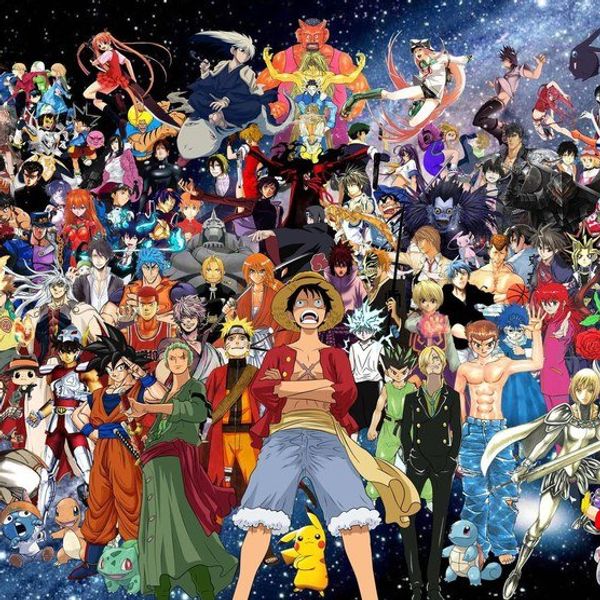
In the world of anime, the premise behind each series can range from normal to incredibly bizarre. Some plots include pirates traveling the seas with mystical powers bestowed upon them by eating fruit, a world of ninjas with superhuman abilities, vampires lurking the night, and even lighthearted comedy set in realism. One anime in particular is worthy of binge watching and it goes by the name of “One Punch Man.” (Warning: mild spoilers ahead.)
What is “One Punch Man?”
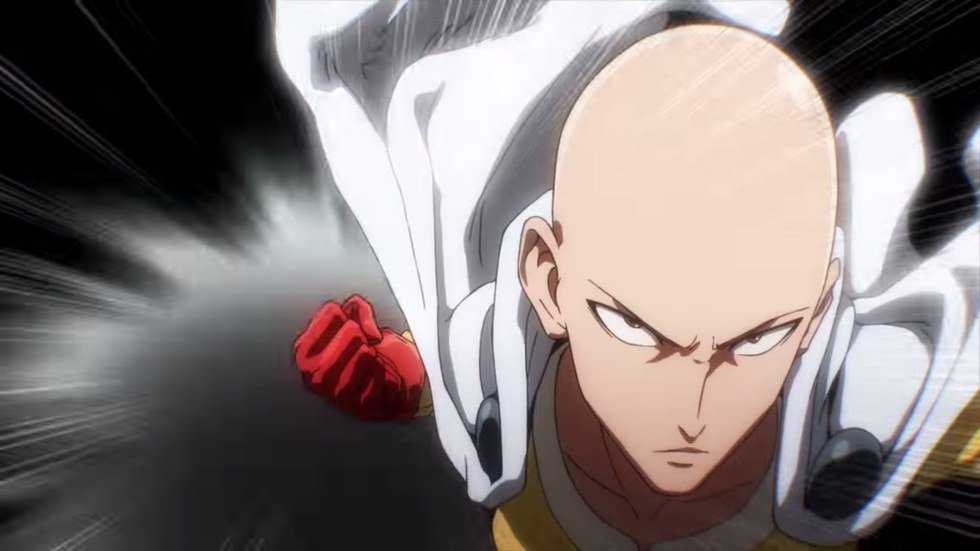
The title of the anime doesn’t give much away but the story follows Saitama, who describes himself as a man who plays the role of a hero as a personal hobby. Countless monsters and villains ravage the world, and so Saitama goes about defeating them. He’s so effective in his role that he utterly eviscerates these monsters with literally one punch. “One Punch Man” is more or less a parody of various anime with "Dragon Ball Z" coming to mind. Several anime repeat a process of the main character training to fight some impending evil, defeating this evil, becoming confronted by a stronger evil and the cycle repeats itself. Saitama is so incredibly powerful that he exerts no effort in dispatching enemies, making the premise seem dull and boring, but it shows the beginning of the end for most characters in other anime. Saitama became what he strived for after years of training: a hero. What happens afterwards when there isn’t challenge? The character faces a self-imposed existential crisis as he doesn’t find enjoyment in the good deeds that he performs for society because he is so powerful. Saitama doesn’t take his hero work very seriously and hilarity ensues.
Striking visuals in animation and design
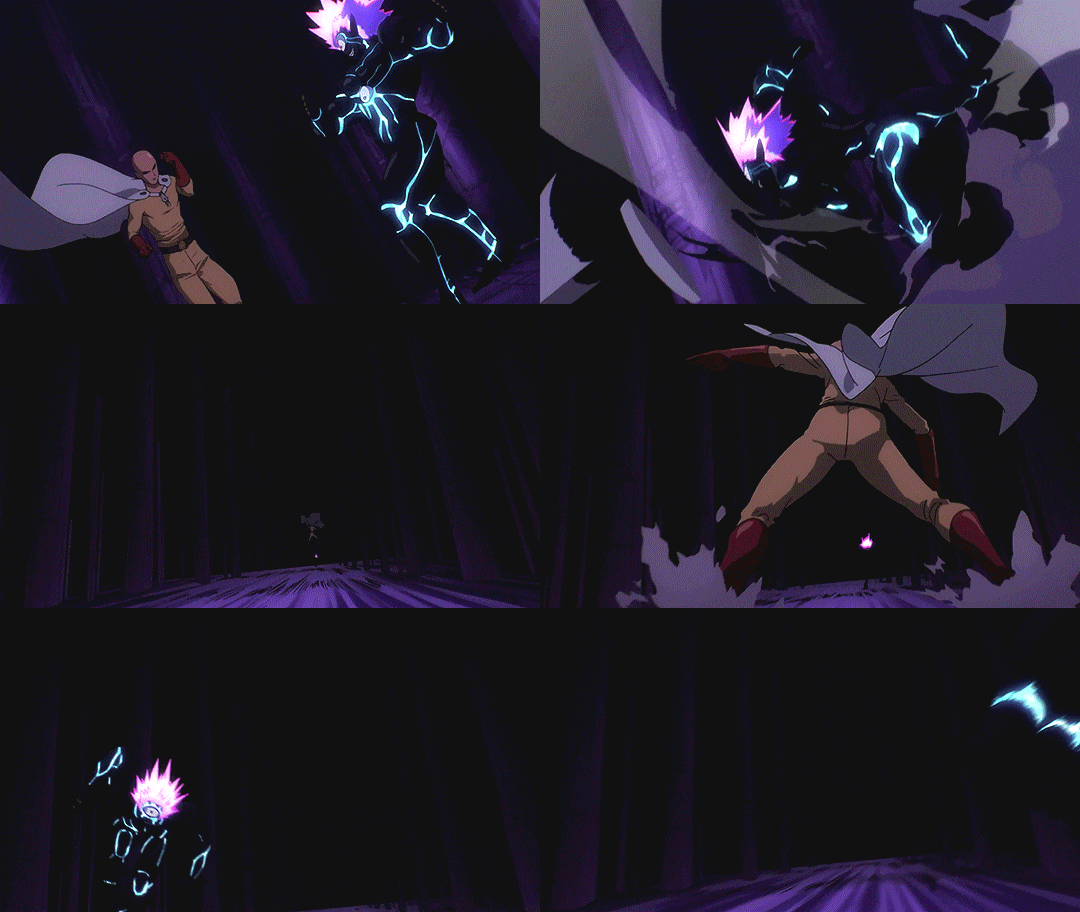
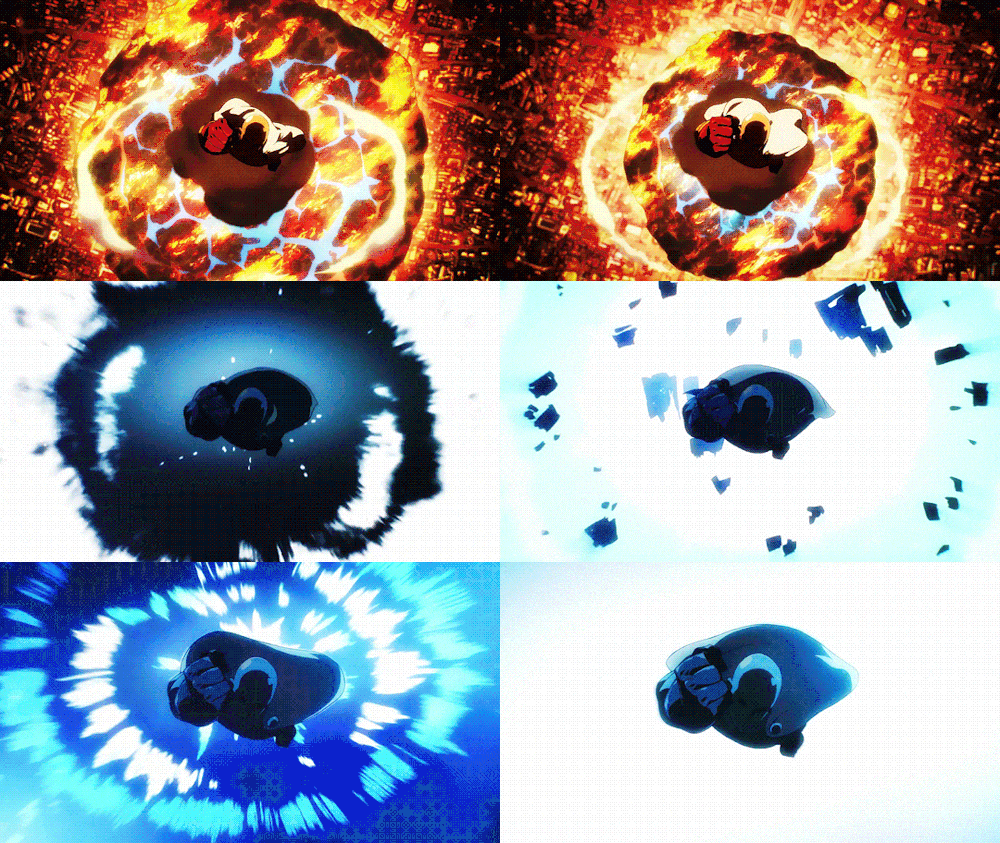
“One Punch Man” is gorgeous to look at it in its animation. Fights are quite fluid and well animated without many noticeable hiccups. What’s really impressive is the amount of design put into the vast number of characters in the show. Considering how often Saitama defeats monsters, many would expect a lot of “throw away” character designs, but this isn’t the case, ranging from everything in the House of Evolution arc to a fleet of aliens invading the planet. There are dozens, if not hundreds of unique characters in the show with their own creative design.
Copious amount of side characters
To match the creative design of the dozens of characters in “One Punch Man,” each seemingly has their own interesting and hilarious backstory. Vaccine Man, the first villain introduced in the series, explains that it was created from the Earth itself to exterminate humanity because of the amount of pollution humans produce. Genos, Saitama’s disciple, is on a quest to enact vengeance on a cyborg that destroyed his village as a child. Boros is an alien that has searched the galaxy to find an opponent strong enough to produce any sense of challenge, traveling 20 years to reach Earth based on a foretold prophecy. Each back story ranges from serious to hilarious including Crablante, a person who transformed into a crab monster because he ate too much crab, or Hammerhead who became a villain because he was too lazy to look for a real job. Many anime spend episodes explaining the exposition behind characters, but “One Punch Man” does the opposite, cramming it all into a few minutes of show time. Many characters begin to go on monologues and Saitama simply tells them to shut up and “explain it in 25 words or less,” which leads to a hilarious expression of confusion and bewilderment.
Side characters make the show

“One Punch Man” would be quite boring if it was centered on Saitama and several anime make the mistake of focusing solely on the main characters, leaving other characters behind closed curtains to gather dust. Instead, this anime incorporates side characters to do most of the fighting. The Hero Association, an organization that manages all of the superheroes, uses a class system with four classes and ranks from C-class at the bottom to S-class at the top. This system determines where to place heroes and assigns them to monsters that need to be fought. Despite Saitama’s countless deeds, he becomes shocked at realizing that no one knows who he is and enters the National Superhero Registry. Even though he is the strongest character in the series, he starts out at C-class (heroes who stop thieves and normal crime) while his disciple, Genos, is automatically placed in S-class. When monsters appear, numerous heroes go out to fight them, while Saitama is completely oblivious at home until he inevitably comes in and one punches them when all hope seems to be lost. Each of these heroes has their own interesting quirks and are equally intriguing, from Mumen Rider (a guy dressed up in bicycle equipment who rides his bike stopping thieves, purse-snatchers, and muggers), Sweet Mask (a celebrity artist who doubles as a hero with seemingly dark motives), and Genos (a human cyborg on a quest to avenge the destruction of his town). On top of how plain Saitama’s outfit and visual appearance is, it’s almost as if he’s taking a backseat role compared to the other characters in the show. Coupled with their interesting expositions, it’s hard to stop watching.
It’s funny without even trying to be
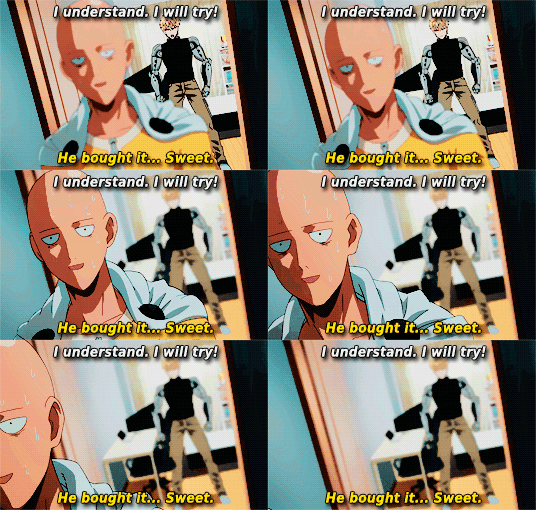
While the action is definitely an appealing factor the comedy is what makes “One Punch Man” so entertaining. When one of the villains asked how he became so strong, Saitama replied that his training routine included doing 100 push-ups, sit-ups, and squats while running 10 kilometers every single day. In fact, he trained so hard that he lost his hair and went completely bald. The villain becomes enraged, thinking Saitama is mocking him and begins to pummel him, even though Saitama was being serious. While things look grim for the main character, he comes to the horrifying realization that he had missed a special sale day at the market and one punched the villain before hurrying home. The facial expressions that Saitama makes are priceless, such as the pure look of joy that he gets upon another villain stating that he is the strongest man on Earth (followed by Saitama falling to his knees and shouting in frustration at one punching him). Saitama interrupting villains mid-monologue and telling them to sum it up in 25 words or less is funny. The show incorporates humor so smoothly and subtly, each episode has a few golden moments that never fail to evoke a laugh.
It’s worth watching
While the basic premise of “One Punch Man” will turn away quite a few people, all it needs is one episode to work its charm. The animation and visuals are stunning, the characters are creative and interesting, and the humor is well-executed. “One Punch Man” preys upon other anime tropes but it is truly unique. The first season ended in December 2015, and a second season won’t be out for some time but with only 12 episodes spanning 20 minutes each, this series isn’t much of a time investment. It’s worth committing an entire evening to binge-watching the first season.
















