The process of oil painting restoration is an art within itself – it is the cycle of preserving humanity's greatest masterpieces for the sake of culture. Most of the oil paintings that we see today have survived all because of restoration and conservation!
The inevitable decay because of time and climatic conditions may not be the only reason why paintings require restoration; some even get vandalized or are accidentally harmed by people too! This article will enlighten you with the stories of the restoration of many ancient masterpieces by famous oil painters.
The Last Supper 1948
 Painted over five hundred years ago by the legend, Leonardo Da Vinci, The Last Supper was significantly admired by many scholars and kings of the time. This original painting was huge; it was 460 cm x 880 cm, 15 feet high and approximately 30 feet wide. Da Vinci painted The Last Supper directly on the refectory wall's plaster through oil paint and tempera, a mixture of egg and pigment.
 It took Di Vinci around three years to complete the painting because he would delay the work for weeks at a time; he mentioned that he was having difficulty finding the right model for the traitor's character. In this painting, we can witness the moment from the New Testament when Christ says, "Verily, verily, I say unto you, one of you will betray me." It is an epic moment of utter betrayal and tragedy, and Di Vinci has done a brilliant job at portraying it as such.
Even though all awaited the painting, it started falling apart as soon as it was completed. The combination of oil and tempera didn't go well together on the wall; the room's humidity also contributed to the deterioration. However, after 1999, the Last Supper's final restoration ensured that previous damage because of so-called restoration and degradation could be conserved. Currently, The Last Supper is 42.5% of Da Vinci's work, 40% restoration, and 17.5% is completely lost.
Still Life of Flowers
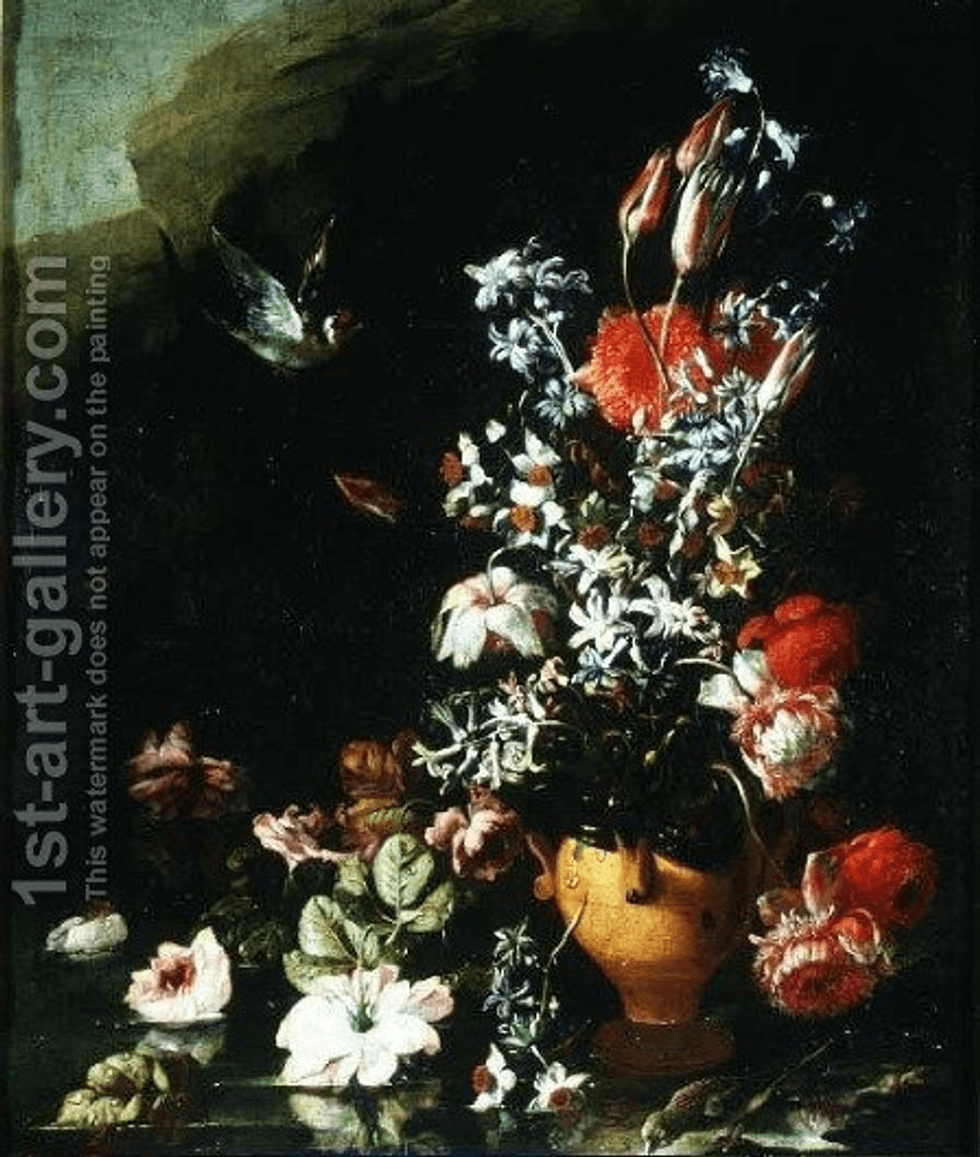
Painted by the Italian painter, Paolo Porpora, Still Life of Flowers was completed approximately 350 years ago. Porpora was an expert in floral still life, and even though Still Life of Flowers may seem like it has no significance or background to it, its history and provenance speak otherwise. According to the Web Gallery of Art, Still Life of Flowers is a pupil of Giacomo Recco, the father of Giuseppe Recco, a renowned Italian still-life painter.
This art piece has so much importance in Italian heritage that it costs around $1.5 million, but there was an unfortunate event that led to its restoration! In 2015, a 12-year-old Taiwanese boy accidentally tripped over and landed his fist in the 350-year-old painting. Reporters said that the painting's bottom right was damaged after impact, but the kid was charged nothing for this damage – insurance covered it!
Ivan the Terrible and His Son Ivan on November 16, 1581
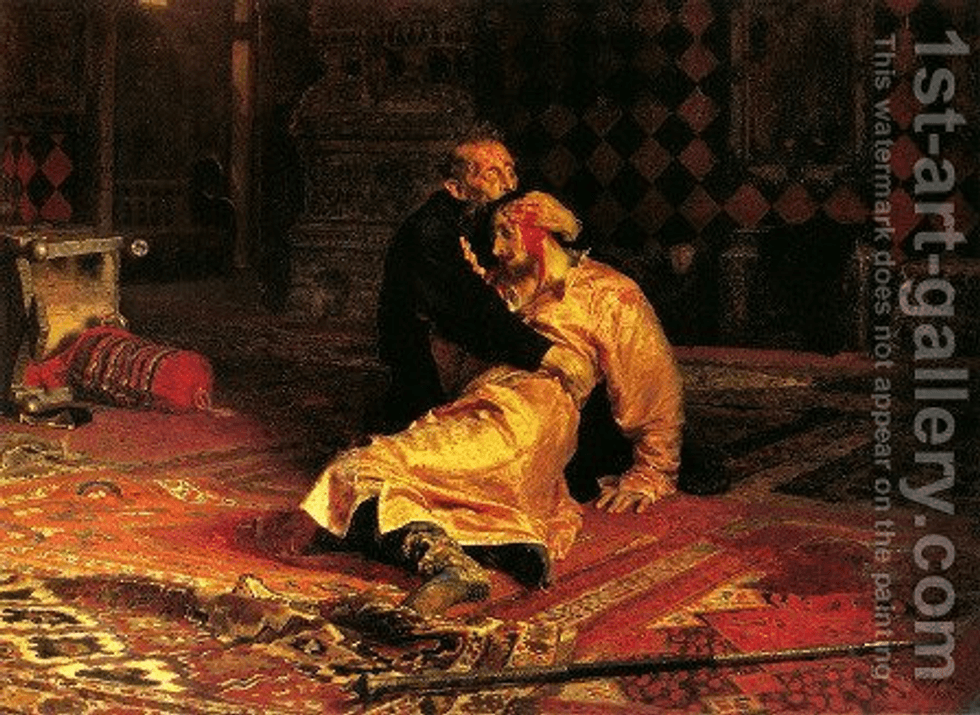
Painted in 1885 by the legendary Russian realist artist, Ilya Repin, this artwork is referred to as either Ivan the Terrible and His Son Ivan or Ivan the Terrible Killing His Son. The artwork seemingly portrays the shaken Ivan the Terrible holding his wounded son, Tsarevich Ivan Ivanovich, who was murdered by him. This painting is supposed to be Russia's most famous painting, while also very controversial as well! Events that led to Ivan's son's death remain unknown, and many people believe that it portrays a skewed image of history.
Ivan the Terrible and His Son Ivan have been vandalized twice, first in 1913 and then again in 2018. In May of 2018, a drunken man attacked this painting with a security pole; he blamed it on the vodka he had consumed, but security cameras showed how he yelled out that Ivan did not kill his son, before smashing the painting. It was torn from three sides, and a special commission was introduced to restore the picture, but this would take some years.
The NightWatch
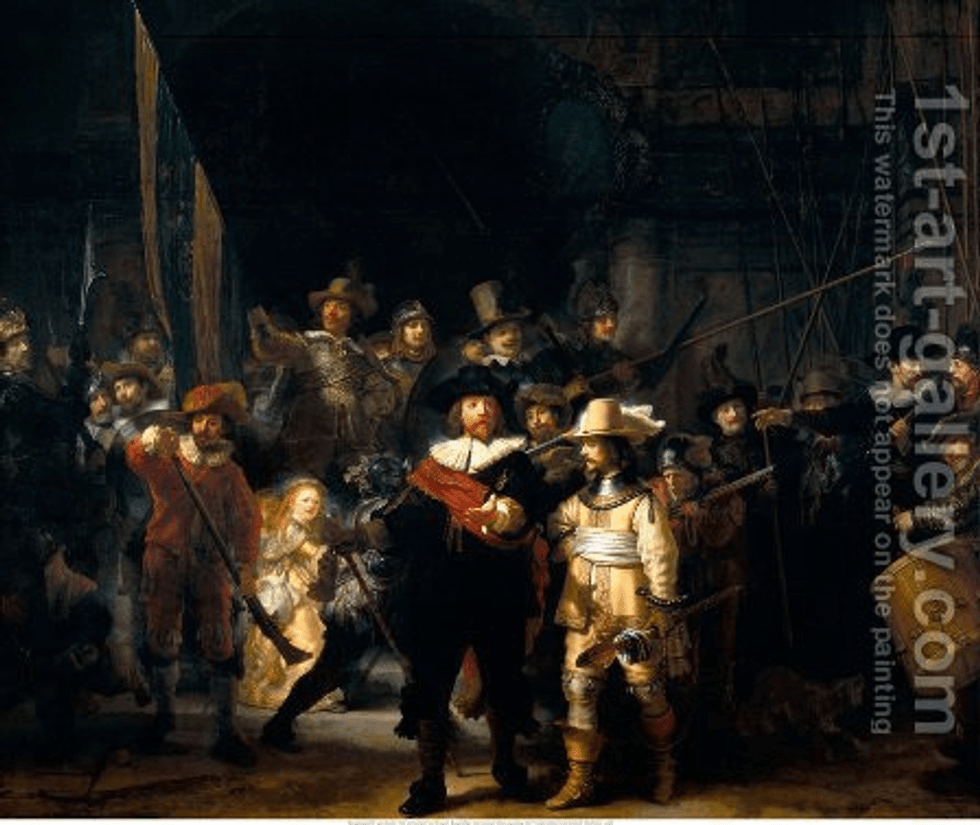
The Nightwatch, one of the famous artist Rembrandt van Rijn paintings, remains a national treasure in Dutch history. It is also known as the 'altarpiece' of the Rijksmuseum. It is a critical cultural artefact painted in the Dutch Golden period to show the Dutch militia seeking independence from the Spanish empire: it depicts the company of Captain Frans Banning and his lieutenant, Willem Van.
This painting had a similar fate to the ones mentioned before – in 1990, a mentally ill man, who has had a history of destroying artwork, threw acid on The Nightwatch. Still, not a lot of damage was done as the guards protected the painting successfully. Earlier to this event, the picture was also slashed with a bread knife by a man who 'did it for the Lord'. The painting was restored in all circumstances, but it may need a renewal again. To mark Rembrandt's 350th death anniversary, The Nightwatch was restored and was streamed for everyone to watch.
Conclusion
The restoration work is necessary for every ancient artwork because the canvas gets subjected to many unfortunate events; there may be a need for repaint every once in a while. Restoration then helps these oil paintings to preserve their aesthetic integrity, and many museums work tirelessly to protect these paintings!