

This past May, Bahar Mustafa, the Goldmiths University Welfare & Diversity officer, created outrage when she tweeted with the hashtag #KillAllWhiteMen. On Tuesday October 6, 2015, Mustafa was charged with “sending a threatening letter or communication or sending by public communication network an offensive, indecent, obscene or menacing message.”
Immediately, the internet erupted with outcry from free speech proponents and ironically, the feminists who often promote authoritarian language policing.
The conservatives and libertarians who often disagree with individuals who hold beliefs such as Mustafa’s, became unlikely supporters, tweeting the hashtag, #IStandWithBaharMustafa and crying foul over this Orwellian censorship.
Mustafa defended her comments in May saying:
“I, an ethnic minority woman, cannot be racist or sexist towards white men, because racism and sexism describe structures of privilege based on race and gender. Therefore, women of colour and minority genders cannot be racist or sexist, since we do not stand to benefit from such a system.”
This defense misses the mark. Mustafa chose to use the oft-repeated trope of employing an arbitrary definition of a word to fit her agenda. Those who support her on the grounds of free speech instead say that Mustafa should have the right to tweet whatever she wants, without fear of the thought police knocking on her door. What she tweeted was no doubt offensive, racist, and sexist, but this kind of offensive speech is what the ideals of free speech were created for. Of course no one feels the need to censor harmless, nice, and uncontroversial speech. The issue is that each individual has their own ideas of what is and is not offensive.
The West sets a dangerous precedent in criminally charging a woman for words she typed on her smartphone and posted to twitter.
Another story related to the subject of censorship came out of the UK this week. Gay conservative journalist, Milo Yiannopoulos and radical feminist, Julie Bindel were both banned from a debate on feminism and censorship. The debate was to be held at University of Manchester, and was promptly cancelled because both speakers, in very different ways, violated the Student's Union safe space policy. Yiannopoulos' violation was due to his statements regarding the non-existence of rape culture among other things, and Bindel was banned because her statements against the transgender community. They were censored, as their opinions did not align with the hand-wringers in charge of the Student's Union. This incident was also met with outrage and the University has since removed its statement regarding the event and the Student's Union continues to be lambasted on their Facebook page.
This idea, that students should be protected from opinions that differ from their own or offend and make them uncomfortable, is profoundly dangerous, anti-academic, and preposterous. The University exists so that students of various backgrounds can come together and be challenged by each other's viewpoints. Sheltering students from discourse and debate is harmful and damaging to the principles The West points to as examples of its cultural superiority over nations such as Russia, China and North Korea.
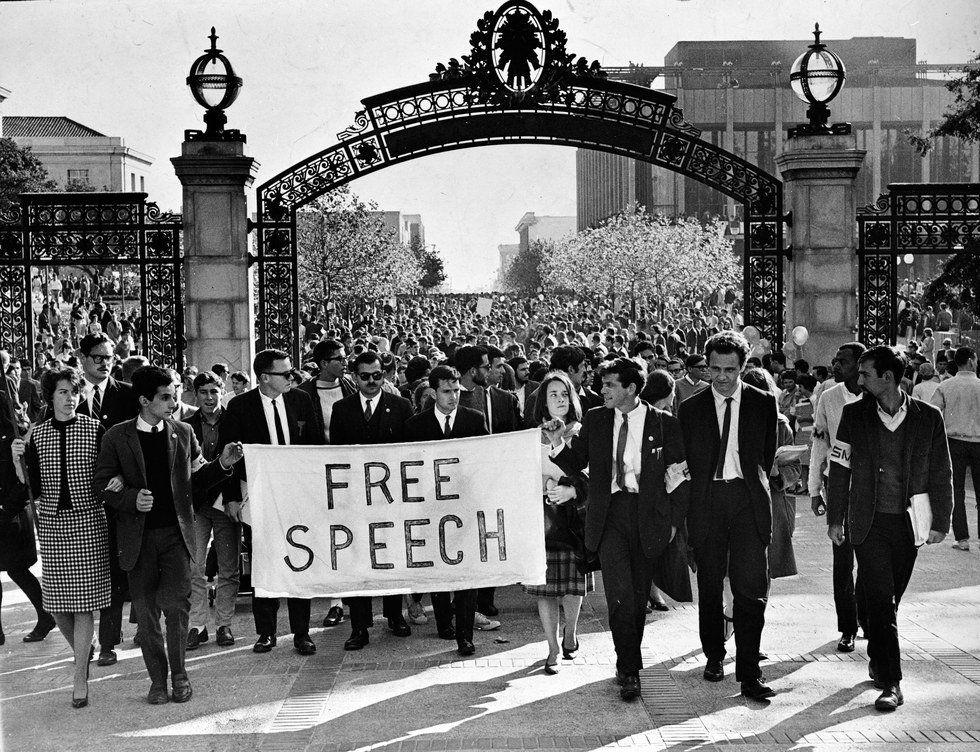
Free Speech is the cornerstone of freedom that democracy is built around. Without it there is ample room for oppression, abuse and totalitarianism. Speech that offends, disgusts, and shocks is the speech that must be protected at all costs, and these two examples of blatant censorship must serve as warning signs of the road ahead where dissenting beliefs and opinions are silenced and what is left is an cacophonous echo-chamber of tyranny and ignorance.















