

WASHINGTON - On Monday, President Obama announced his finalized version of America’s Clean Power Plan.
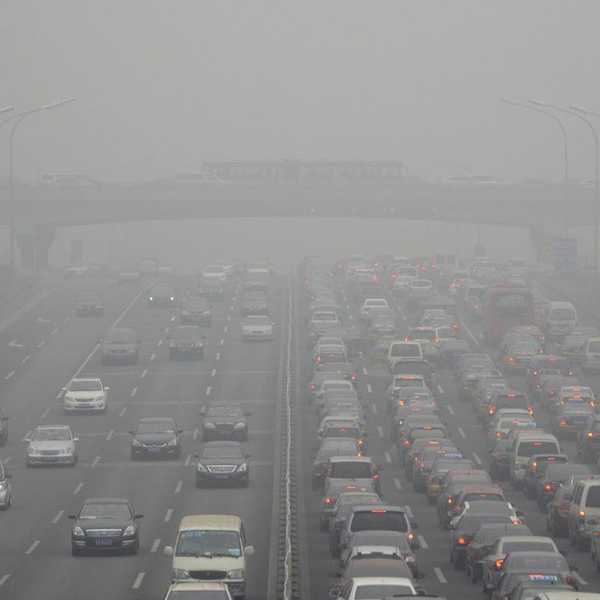
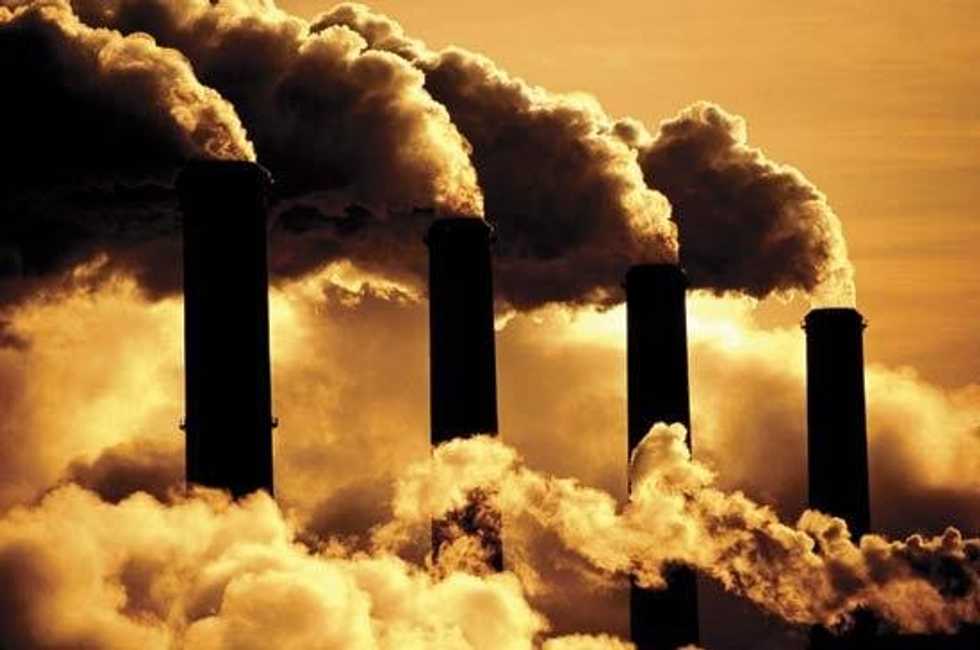
In response to severe weather related events such as rising sea-levels, increased pollution, and wildfires, President Obama, the White House, and the Environmental Protection Agency (EPA), have created a plan to cut down on carbon emissions from coal-burning power plants in order to combat climate change.
The plan is the first of its kind. Never before has there been national legislation to regulate carbon emissions from power plants. The United States is one of the biggest producers of carbon emissions, with only China surpassing them. Obama says this plan is “the biggest, most important step we’ve ever taken to combat climate change.”
Obama’s plan puts pressure on the states to adopt more environmentally friendly practices. Each state has its own reduction target, which is based on how much electricity it generates from both renewable and non-renewable resources. The World Resources Institute has broken down carbon emissions for each state.
According to the plan, states must cut carbon emissions to 32 percent of their 2005 levels by 2030. They have two years to establish a plan of how they will reach their reduction target and must meet their midway goals by 2022.
This plan encourages states to use renewable sources of energy, such as wind and solar power, and decrease their reliance on coal and natural gas. States will also be rewarded for investing early on in clean energy and more energy efficient practices.
In addition to cutting down carbon emissions, the Clean Power Plan also claims to have other benefits as well. Obama believes that his plan will improve the United States’ overall air quality and will decrease the number of deaths and health problems associated with smog and pollution. Along with improving air quality, the EPA claims that the average American family will save about $85 on their annual energy bill by 2030.
Although the Clean Power Plan has garnered much support from large corporations such as L’Oréal, Staples, and Nestlé, the plan has received opposition from both the coal and natural gas industries, who believe that jobs will be lost as a result of this plan. President Obama, however, claims that workers will benefit from job creation, job training, and additional services the plan offers to those employed in these industries.
For further reading:
White House
Environmental Protection Agency















