Imagine, for a moment, that at some point in your impressionable, angst-fueled, rebellious teenage years, you did something of questionable legality.
Minor vandalism or trespassing, for example. Stealing something innocuous just for the thrill of it. A few beers before your 21st birthday. Perhaps even a youthful experimentation with a certain green leafy plant?
If I’m right (and hundreds of research studies, public surveys, and polls would indicate that I am) most of you don’t have to imagine it, because most of you have done at least one of these things in your lifetime.
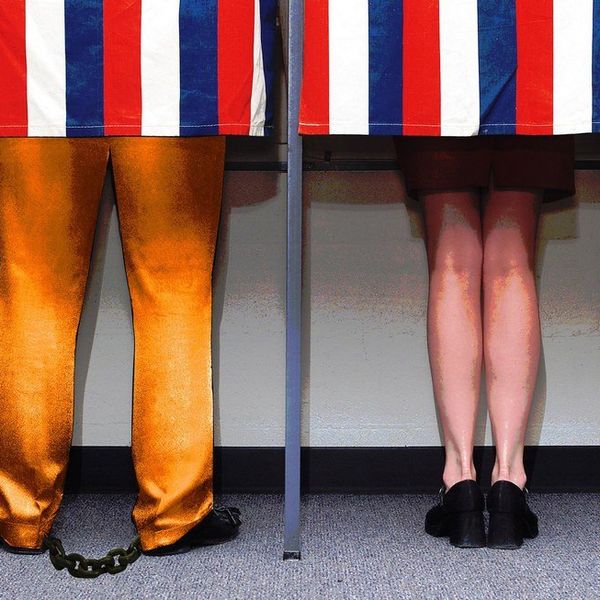
But what most of you probably haven’t experienced is getting caught, and subsequently charged for a criminal offense. What most of you haven’t experienced, I’m assuming, is having that minor indiscretion follow you around for the rest of your life, getting in the way of relationships, day-to-day activities, and most potentially damaging -- your ability to work.
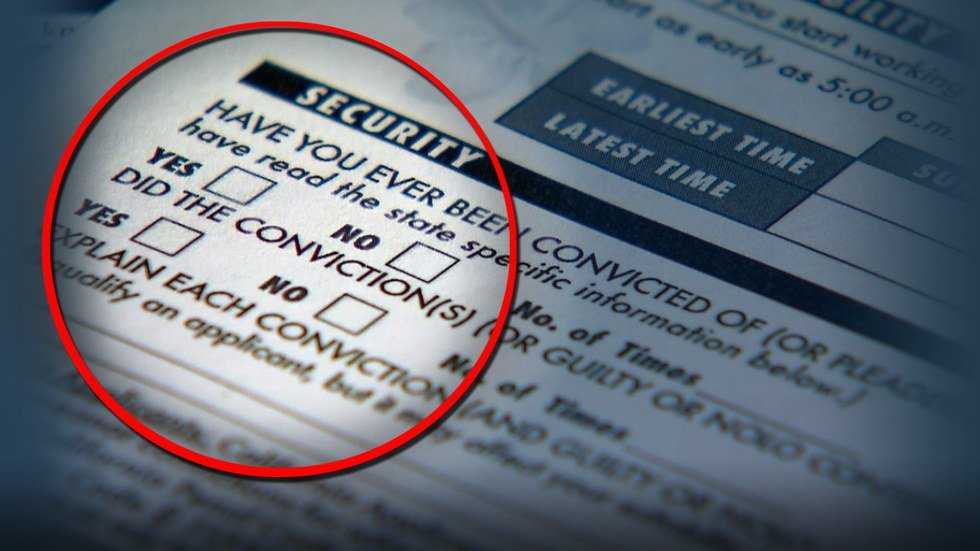
What I’m referring to, of course, is that harmless-looking box on job applications that asks if you have a criminal record. The one that the vast majority of us ignore entirely, but which can be hugely harmful to those who have one.
The issue with the box is that most of the time employers will see that it is checked off, and immediately reject that job application. They don’t take the time to find out the details surrounding the criminal record; they just assume that the applicant is a bad seed.
Much like people who have to go on Meagan’s lists because of an incident of public urination, the black box system is not helping anyone, which is why President Obama’s announcement on Monday that he is banning the box on federal job applications is so important.
"A lot of the time that [criminal] record disqualifies you from being a full participant in society," President Obama said on Monday, adding that nearly one in five Americans, and one in three of working age, have some sort of criminal record. "It means millions of Americans can't even get their foot in the door... We've got to make sure Americans who paid their debt to society get a second chance."
And I’m not arguing that employers shouldn’t know about an individual’s criminal history. Of course they should. It‘s their right to know who they are hiring, but I think that – if they ask about it – it should be done in a setting that allows the applicant to defend him or herself, which is essentially what this decision will allow.
With this decision, a criminal record will not be a stumbling block for people applying for federal jobs. Moreover, it means that we are one (very small) step closer to being able to honestly say that our criminal justice system works towards making people productive members of society. I mean it's still lacking on the rehabilitation part, and the providing individuals with marketable skills part, and the removing the stigma of a criminal past part…but at least now there’s one less roadblock between individuals with a criminal record, and a successful future.