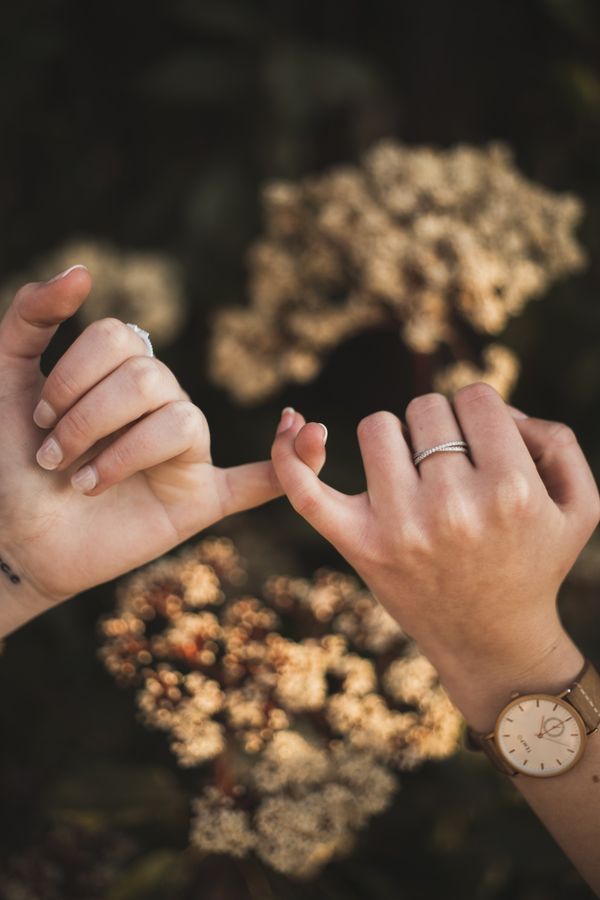
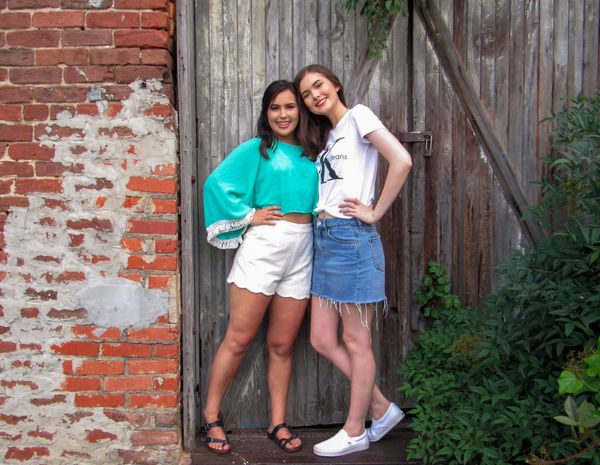

As I returned to college, one of the most comforting and effortless things to do was to ease back into the friendships I left behind. Even though most of us kept up with each other through texting, Snapchat or phone calls, there’s a huge difference between hanging out in person and the occasional rambling conversation. Awkwardness wasn’t something I was consciously afraid of, per se, but it was a relief to see my friends again and hang out as nicely and openly as we had last year.
I’m not an inherently sappy person (my roommate would disagree, but she’s incorrect), but I feel like it is important to address how great friendships can be, cheesy as it is.
Social interaction within media is often either sexualized (see opposite-sex friendships) or dramatic, negative and competitive (mostly girl-girl friendships/acquaintanceships). Some shows are better about showing friendships that don’t have a sexual/romantic endgame, or women who aren’t competing with each other or dealing with toxic stereotypes, but the majority fall flat. Either women are catty, vain, stupid or shopaholics, or they are rebelliously “not like other women.” It feels like women are supposed to spend more time competing against each other for the satisfaction of others (to get romantic/sexual attention (from men)).
Of course, heaven forbid a man and a woman are friends without someone falling in love with each other.
These stereotypes are still heavily present if not in all modern media, then in the culture we live in. To my knowledge, female protagonists in young adult novels still, generally, must appeal to the male gaze by stubbornly asserting themselves as “other” from feminine qualities.
Make no mistake, I’m not saying friendships don’t have their ups-and-downs, or that people don’t have flaws that can make social interactions negative or toxic.
The issue is that there are too many negative stereotypes associated to friendships with anyone, and I’d like to say that my friendships at Jewell are nothing but positive. I have never felt the need to change who I am to please them or gain attention, nor do I feel like I can’t be myself around them. Ultimately, friendship is about respect, and my relationships here at Jewell are respectful and healthy. I have become a better person through the friendships I have made. I have learned so many new things, and I am so comfortable with them in ways I didn’t think possible.
In the grand scheme of things, one little article about how great friendships can be probably won’t do much against the stigmas that men and women can only desire sex from each other and that women ought to fight against feminine stereotypes (and hate those who conform to them) for the attention of others. However, I think it is important to establish that there can be friendships where you don’t feel pressured to be or do anything that goes against who you are. That you can have friends you willingly spend hours with doing little more than writing or watching shows and laughing at things. That there are people you can hold any sort of conversation with, shamelessly—from hilariously absurd to painfully open and personal—out there. Friendship isn’t always terrible or a step below a “proper relationship,” and friendship with other women is seriously underappreciated.