
Over Spring break I had the pleasure of visiting the Norton Simon Museum in Pasadena. Surprisingly, the parking lot was nearly full (What? So disorienting. I was under the impression that art was dead?) however, apparently a number of people are still eager to gain some culture, or like me, merely made the trek there because they are being forced to for their Art History class (Just kidding. I was motivated by both reasons). Anyway, luckily we were able to find a spot in the lot; lucky because parallel parking on moderately busy streets is not my strong suit. We approached the front of the museum where there was a small, but lush green lawn and some sporadic placings of trees, but what really stood out was the headless statue of a man. Even with the head, I’m sure he would have appeared intimidating with his large stature, bulging muscles, and extremely confident pose (is so ready for the red carpet). I think it was a good decision on the museum’s part to place pieces of art on the museum’s front lawn; it was unexpected, almost quirky, and got visitors to interact with the art even before they entered the front doors, a concept I enjoyed and had not yet come across before in my admittedly limited exposures to art museums.
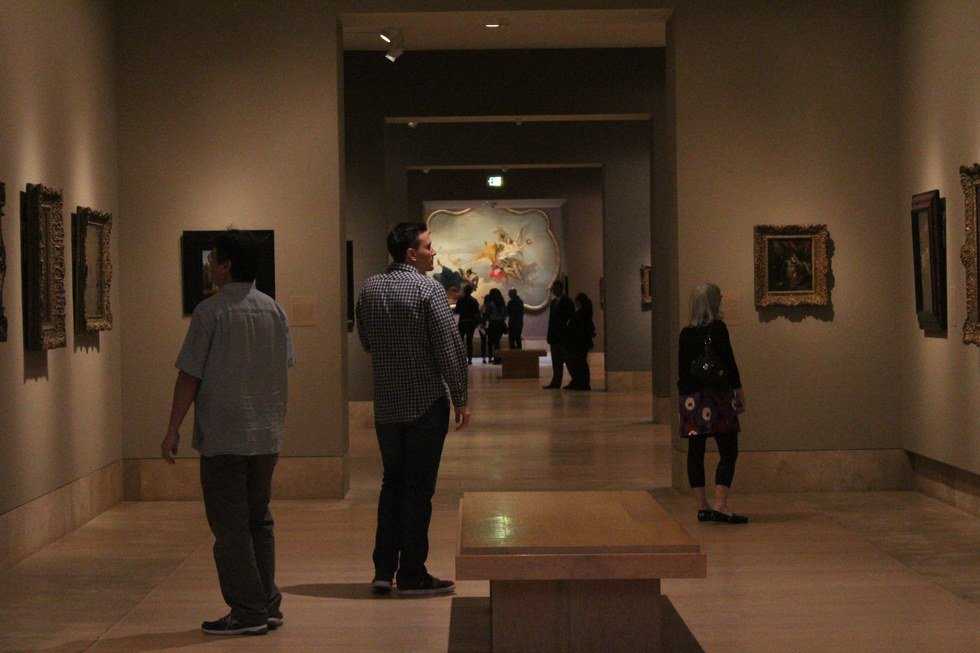
Inside the museum we got our tickets (which were very reasonably priced especially considering that they were free for students) and began our exploration on the left wing of the museum. This section was filled with paintings from mainly the 1800s I believe, including a lot of impressionist work by artists such as Renoir, Monet, and Edgar Degas, a particular favorite of mine not just because of the irony of his rejection for a label he is now so very much well known for, an irony I can’t help but find amusing. This is a perfect example of intention versus reception. Although Degas adamantly referred to himself as an “independent,” recognizing that his work was not that of a realist, but also refusing to categorize himself under a term he so disdained, viewers of his work classified him as an impressionist anyway. Degas painted with the intention of coming across as “independent,” unable to be classified, but the reception of his work found the need to classify him all the same. Such is the plight of the artist.
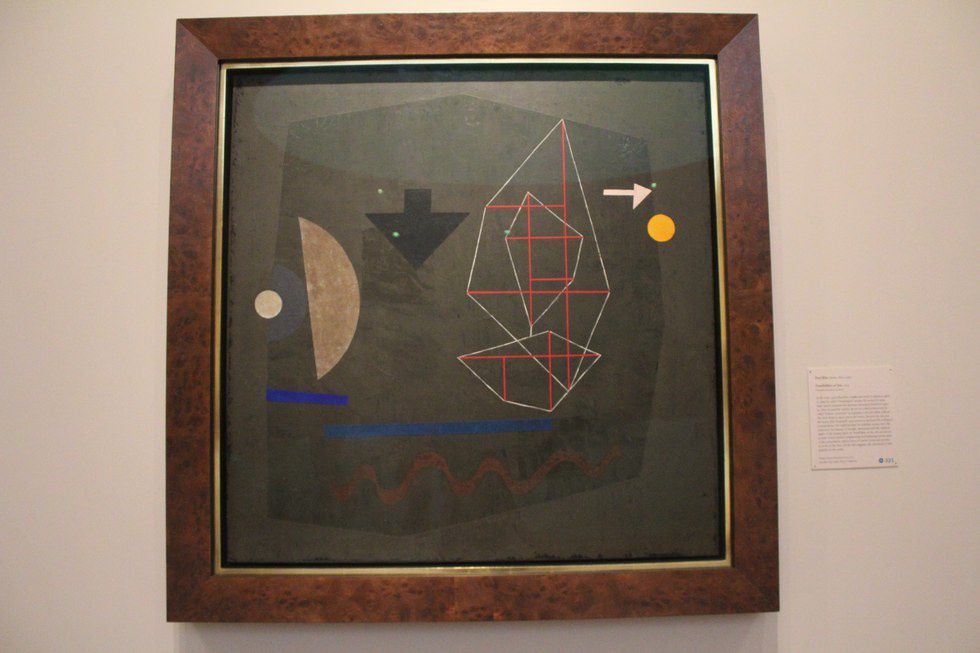
One of my favorite pieces besides the impressionist work and the astonishingly realistic works of the 17th/18th century, was one of modernist Paul Klee’s pieces, one about space.
It’s fascinating to contrast the left side of the museum with the right side. On the left side there is such a huge difference between the three subsections, stylistically speaking. On one far end there are paintings that look realistic, in the middle they are impressionist and then in the 20th century the paintings are modern. Such a variety of styles, such a large change in art, all within the 19th and 20th century. However, on the right side, the span in time is much wider (from the 14th all the way to the 18th century) and yet the diversity in artistic style is much more absent here. Perhaps this reflects the increasing rapidity of change in culture as a result of increasing access to communication.
Maybe the most surprising part of the visit was discovering an unexpectedly bright, bold, whimsical exhibition (Duchamp to Pop, featuring the work of Marcel Duchamp, a man who certainly possessed a sense of humor) right next door to the large collection of somber ancient statues. The juxtaposition was jarring in a charmingly eccentric way.
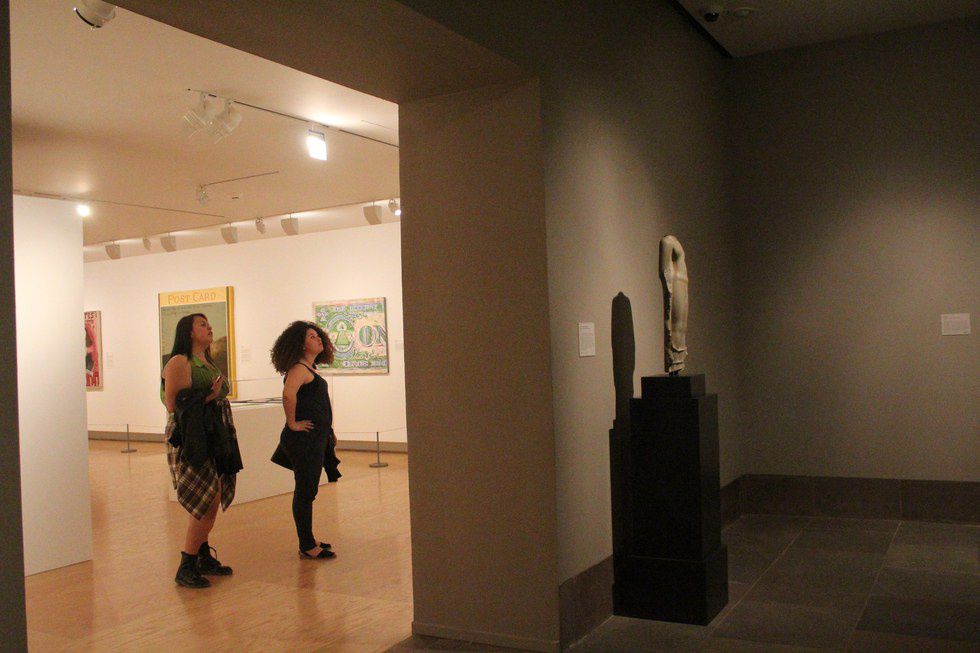
And yes of course, there was a brillo pad display featured. Every classy joint has one.
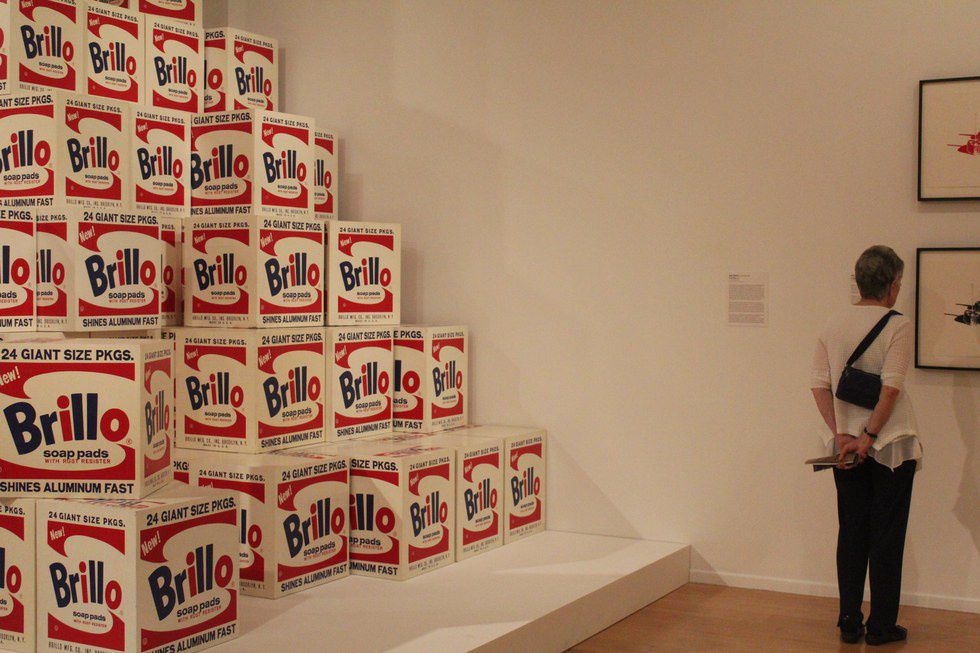
The Duchamp to Pop exhibit is temporary by the way, and will only be available until August 29th so if you're interested in seeing this brillo pad mountain in person, you have a few more months to do so.
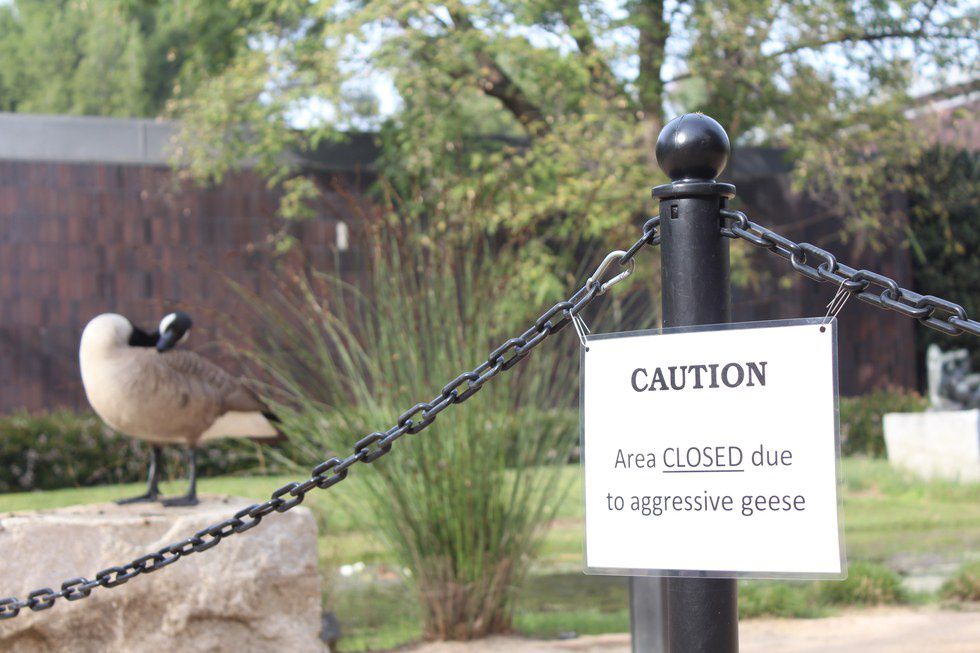
Also, if you do decide to check this museum out, watch out for the aggressive geese. Apparently they run rather rampant here.