

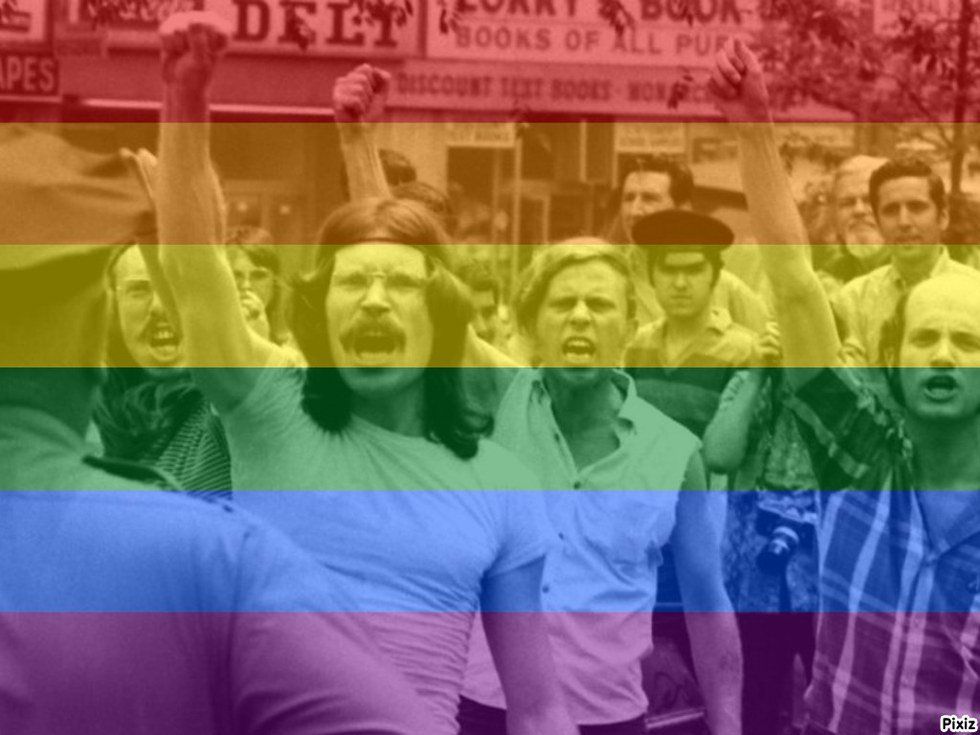
It’s easy to say you’re an “ally” to the LGBT+ community. Many people are, providing safe places and support for LGBT people. They fight for equal rights and protection for those people, but they make sure not to speak over the voices of those who are LGBT. You can say you support the landmark marriage equality act of 2015, or that you are close to someone LGBT, but these do not excuse your erasure of LGBT history.
This is something that has happened for ages. LGBT history is not taught in basic history classes, and sometimes isn’t even offered as its own class at some universities. People are unaware of what has brought the LGBT community to what it is today, but what about the history being made now? How does one person’s comment continue to push aside this LGBT history? Over the past year, the U.S. has experienced two massive historical events which have directly affected the LGBT community, and following these events, people’s true colors have shown, and it’s not those of the pride flag.
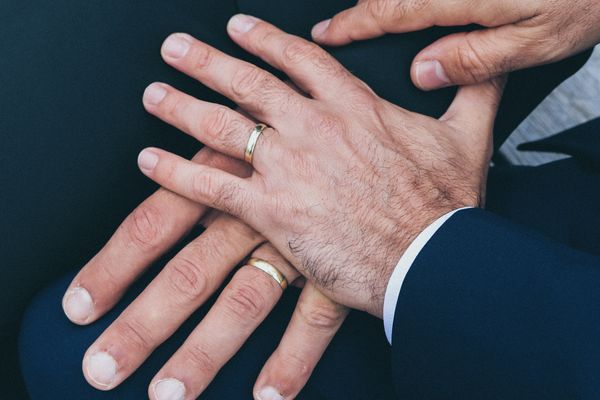
On June 26, 2015, the Supreme Court decided in the case of Obergefell v. Hodges that the fundamental right to marry is guaranteed to same-sex couples. This legalized same-sex marriage across the country, something that LGBT people had been fighting for for a long time. The celebration was huge. People who had been denied the right to marry their loves could suddenly tie the knot. But while many celebrated, others decided to try to guilt people into halting celebration. All across social media, people were leaving harsh comments about how the decision “wasn’t that big of a deal” and the LGBT community didn’t need to be so excited. Other people tried to make the LGBT community and allies feel guilty about celebrating, saying that LGBT people shouldn’t be happy because there were troops dying in war. This was also commonly paired with criticisms that people never celebrated like this when troops came home. I’m still not sure how marriage and homecomings are nearly the same, and how LGBT people and troops are related (other than the possibility of someone LGBT in the military), but many people tried to use these statements to stop people from celebrating what is one of the biggest events in LGBT history. One could say that these people are trying not to accept this as part of basic history. Some people, without realizing it sometimes, refused to let a revolutionary case become as large as others such as Brown v. Board of Education or Miranda v. Arizona.
The second recent event is one we’ve just experienced and is still a fresh wound: the Orlando massacre. Over 100 people were killed or injured at a gay nightclub in Orlando. When news broke, the nation was stunned. It was deemed the largest mass shooting in U.S. history, giving the event another reason to go down as a prominent moment in history. News stations across the country have continued to cover this incident and release new information every day. While it is argued that the shooter is linked to terrorist organization ISIS, no real connection between the attacker and ISIS has been found. People closest to him say that he was not religious, but people continue to preach that this was an attack from ISIS. It was simply a hate crime. It was a terrorist attack from a man who was homophobic and outraged at the LGBT community for simply being in the world around him. People don’t want to accept the idea that a man couldn’t handle the idea of same-sex couples and instead push the blame onto a group we are at war with. They want this to be carried out by a terrorist organization rather than an average man who really didn’t like queer people.
Many cities have shown their support for Orlando by displaying pride colors, but yet again, people take to social media to show their outrage for this. “Red, white, and blue!” people aggressively beg in the comment sections of Facebook. “This affects us as a nation! What does the pride flag have to do with anything!?” others have said. Yes, it does affect us as a nation, but in the end of it all, a specific group of people were viciously attacked. Nationwide, LGBT people worry about their safety just because of who they are, and this was a brutal reminder that anything can happen at any time. This affects LGBT people as a whole. A hate crime was carried out on a specific group, and many cities and important social and political figures wanted to show their support and condolences for this community. It’s a subtle reminder that people are fighting for the safety of LGBT individuals. When people try to say that it should be about the nation and not the LGBT community, they aren’t exactly showing support. If anything, it is coming off that they don’t care about the safety of a discriminated group. LGBT people are often targets of judgement and hate. To try to mash these people into part of the nation as a whole instead of identifying them as a separate group is denying the existence of this community. It is saying that this was an attack solely on the nation, and not a community so often the center of political debates and hates crimes.
Today, there are far too many politics in this community of people. LGBT individuals want happiness, safety, and acceptance. But how can we give this to them when we deny their existence? When we try to take away times of celebration and control their exposure in times of grief? How, as a nation, can we progress if we can’t even accept our own citizens for who they are? There is far too much hate in this country, and if we can’t step up and accept a group of people completely, respect their lives, and allow them to become a part of history, then we fail as a nation. Life, liberty, and the pursuit of happiness were ideas this country were founded on, but when will we give that to LGBT people without a fight? When will people accept LGBT history as U.S. history?

















