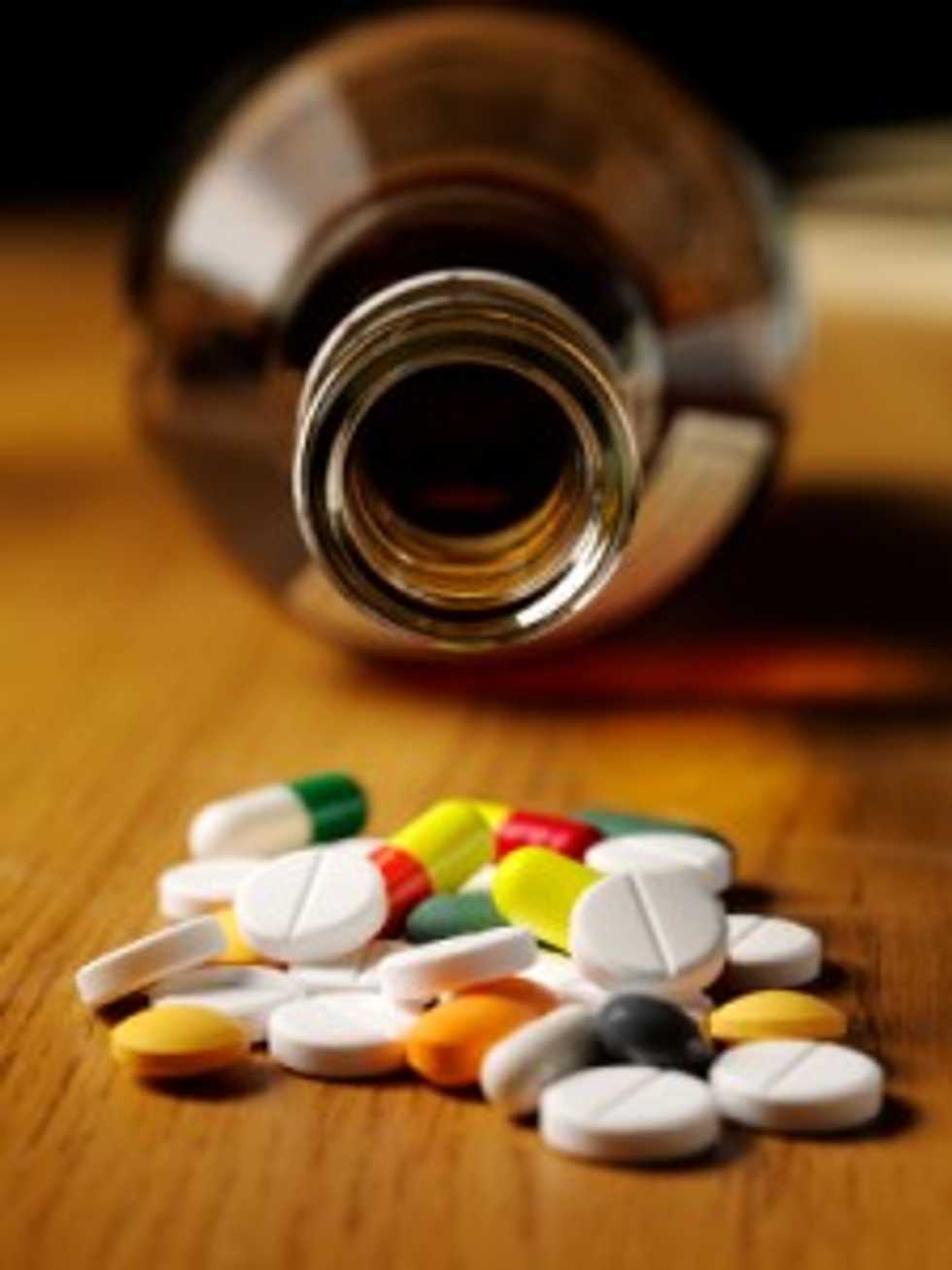
As of April 24, anyone calling 9-1-1 to report a drug or alcohol overdose will receive amnesty from any prosecution. Regardless of one’s
state-of-mind, the legality of the current situation, or evidence of drug possession,
the person who reports the overdose cannot be charged.
This law should pique interest within college towns, statewide. With this assurance of amnesty, students caught up in the pervasive problem of drug and alcohol
abuse should feel emboldened to call for help when needed.
Establishing an overall sense of safety, Section 1-3 of Georgia 9-1-1 Medical Amnesty Law says,
“Any person who seeks medical assistance for a person
experiencing or believed to be experiencing a drug overdose shall not be
arrested, charged, or prosecuted for a drug violation if the evidence for the
arrest, charge, or prosecution of such drug violation resulted solely from
seeking such medical assistance.”
Additionally, this new bill increases access to the opioid antagonist,
Naloxone, an antidote used to treat overdoses. Many would like to see this drug
offered at pharmacies and freely prescribed to students, as Naloxone is not
considered harmful over a range of dose amounts.
“Knowing there is a law clearing me of all charges if I had
to help a friend overdosing makes me more likely to make that call,” said
Christian Starling, a junior at the University of Georgia.
One case that influenced the passage of this act involved a
Georgia student’s death from injuries sustained late Thursday night on April
17, 2003. Travis F. Starr III received injuries to the head after
falling from the bed of a moving truck while under the influence, but he was
not taken to the hospital until the next day. Due to negative consequences surrounding student arrest, Travis became a victim of a fear culture and died few days later as a result of his peers aversion to being affiliated with alcohol.
Additionally, the bill mentions Stephen Cardiges of
Lawrenceville, who died from a heroin overdose, and Randall Brannen of
McDonough, who also passed away from an accidental overdose. These cases were
specifically stated in the bill in reference to a growing trend in drug
overdoses in the state of Georgia.
The Georgia legislature passed the bill in hopes that
students would stop hesitating and start saving. They hope to see the number of
overdose deaths decrease as news of the law spreads and the availability of
Naloxone increases.
“Hopefully we won’t hear about people leaving friends
stranded because they don’t want to get in trouble themselves,” said Starling.
“We can start saving lives. No doubt.”