

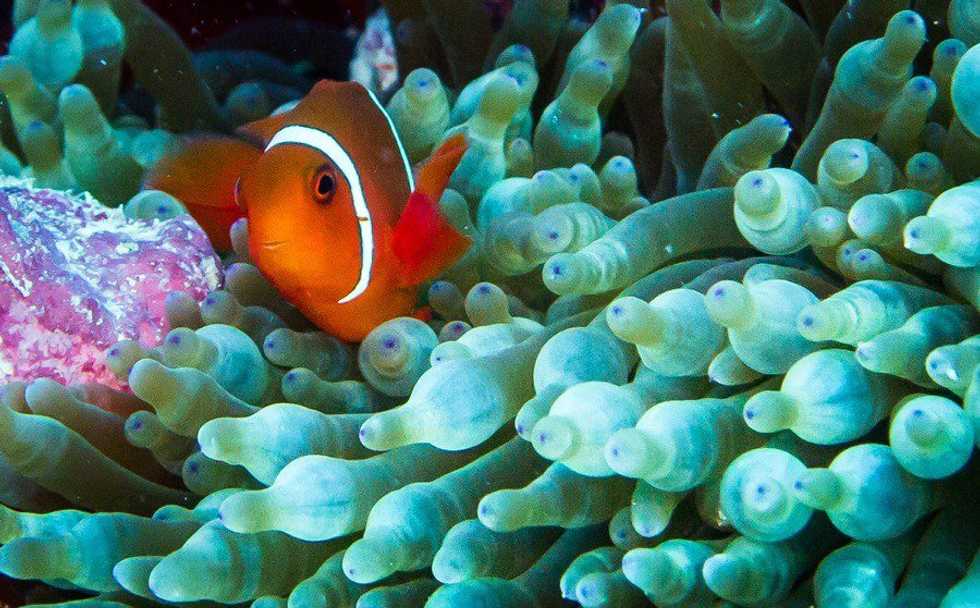
With over 350 different species of animals, 4,000 different species of fish, over 800 different species of birds, and enough creepy crawlies to keep an entomophobic locked indoors for life, Australia is already overflowing with their share of biodiversity. Not only does Australia house The Great Barrier Reef, composed of 2,900 individual reefs and 900 different islands, scientists have recently discovered another reef off the peninsula in Victoria, Australia.
Reported by The Huffington Post on Aug. 27, 2015, this coral reef gives The Great Barrier Reef "impressive competition." Researchers unearthed this biodiverse hotspot using newly developed technology including an underwater video camera. Researchers used the camera to capture the beautiful and thriving marine life of this stunning deep-sea world. Stunning fish and invertebrate communities were found to be thriving in this habitat that had been, until recently, unexplored by scientists because of the area's unpredictable weather patterns. In addition to the flourishing marine life, this reef is physically unique, containing boulders the size of small houses, large sand dunes shaped by ocean currents, giant sea fans, vibrantly colored sponge gardens, and underwater sea caves.
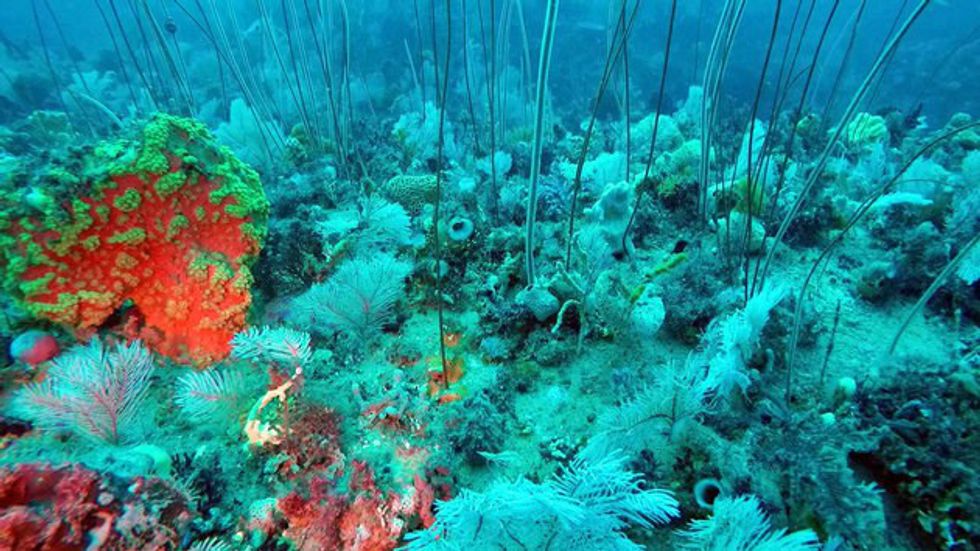
Since their discovery, scientists working in a collaboration with Deakin University and Parks Victoria have been exploring this area of the ocean in Wilsons Promontory National Park as part of an ongoing project to map out the sea floor. With countless hours of video footage that was shot during the site's exploration, the researchers have been endlessly analyzing every second. Parks Victoria marine science manager, Steffan Howe, told The Huffington Post, "It's a wild and dynamic environment." He went on to say, "It looks like a biodiversity hotspot in Victoria, possibly nationally." Matt Edmund, one of the researchers operating a Remotely Operated Vehicle (ROV) that aided in the discovery of this offshore reef, added, "We discovered quite a few community types that we didn't even think existed out there, in terms of sponge gardens and coral assemblages."
What does this discovery mean for the realm of marine biology and conservation? With this abundance of brand-new information, scientists are able to better understand the region's biodiversity and are able to better protect the marine life and unique physical structures within the reserve and in similar climate regions. While researchers encourage this area to be used for recreational diving, understanding the marine life will allow them to minimize the threats to this community and other similar ones.
For more information, read the original report on The Huffington Post.
















