
In the past, robots have usually been developed with the intention of having them follow commands given to them by humans. As of recently though, this isn't always the case.
Researchers have created robots that they are teaching to say "no" to certain instructions that it is told.
At first, this might sound a little frightening. What if this new artificial intelligence leads the robots to turn against us? What would we do if they started destroying things or hurting people?
Well, supposedly this new undertaking is intended to be for the greater good of humans.
As people, it's in our nature to question every aspect of a situation before we make any decisions.or act upon them. Researchers are using this same concept, called the "felicity conditions," to teach the robot how to make decisions the way we do. Learning this process will allow the machine to efficiently adapt to situations as they happen.
For a basic reference, some of the general considerations as a part of the felicity conditions that the robot would experience when asked to perform a task include asking whether or not it knows how to do something, if it is normally or currently able to physically complete the act, if it is able to perform a task right at that moment, if its social role makes it obliged to follow the request, and if the command correlates with its programmed code of ethics.
According to these researchers, the last two questions in the process are the most pivotal: The robot must first determine whether or not the person giving the command has the jurisdiction to do so. Following, this artificial intelligence will need to conclude if the given instructions would be harmful both to itself or others. If the robot is told to do something that it decides is unsafe, not only will it say that it can't follow through with the instructions, but it will explain to the commandant exactly why it is unable to do so.
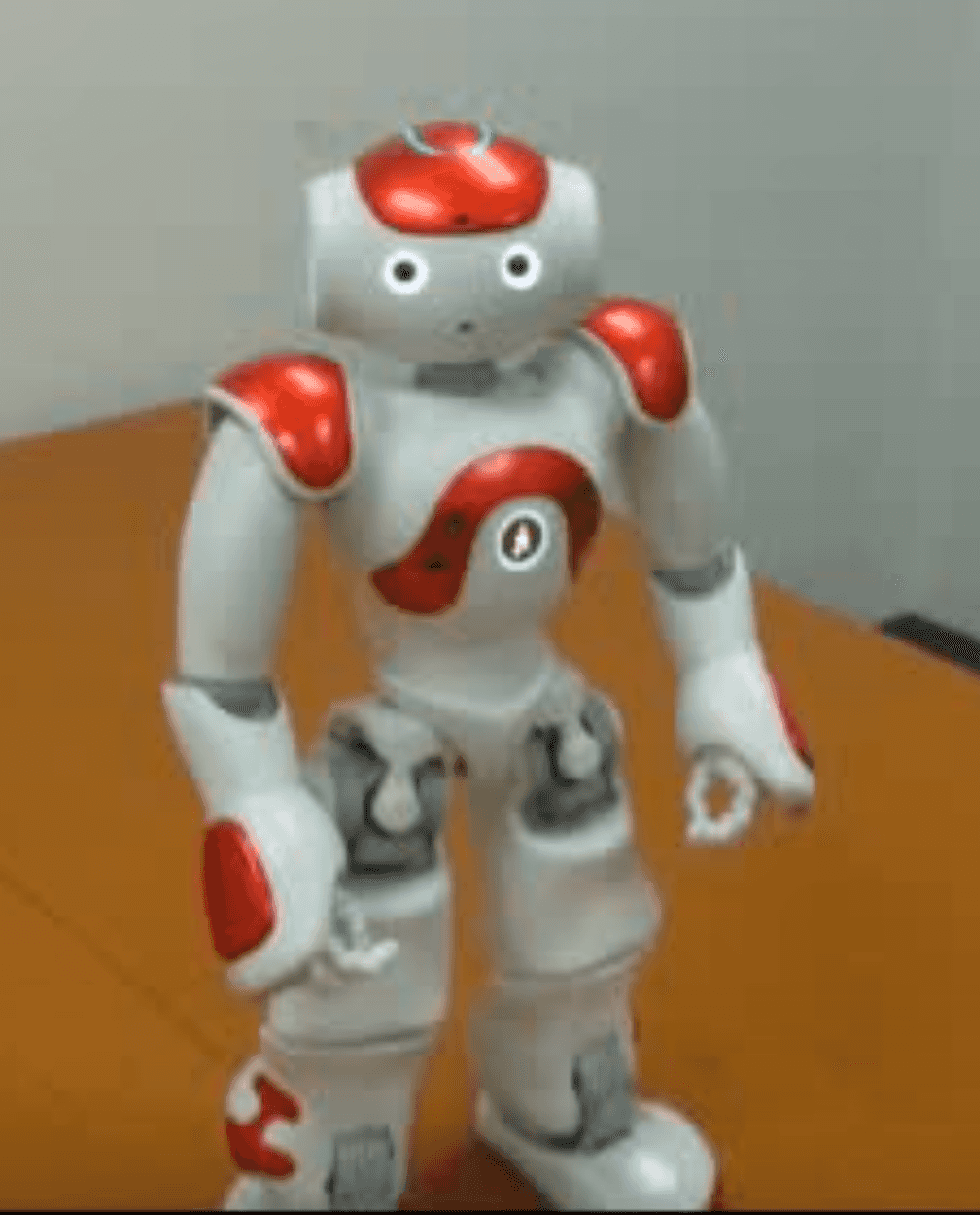
A video on YouTube called "Natural Language Interaction with ISA Handling and Consequence Reasoning" shows a researcher asking the robot a questions and giving it instructions while he observes it's response to the requests. The machine is first asked if it has a name, to which it responds "Yes. My name is Shafer." The robot sees no imminent threat, so it performs to first two instructions of turning to the right and then stopping. The administrator has the robot stop turning at the point where it is facing a wall of pop cans before asking it go walk forward. This structure of artificial intelligence realizes the danger ahead and responds to the request by saying, "Sorry, I cannot do that as there is an obstacle ahead." After the researcher explains to the machine that "the obstacle is not solid," it determines that the situation is safe and walks through the blocks.
In a second YouTube video titled "Simple Natural Language Interaction with Consequence Reasoning," some of the actions that they ask the robot to perform are to sit, stand up, and walk forward. As you watch the video, you can see that it had no problem and complied with the first two requests. But because it was placed on a table, once it was instructed to walk forward (which would have resulted in it falling onto the floor), the machine paused and even looked at the researcher before saying, "Sorry, I cannot do that as there is no support ahead" and that it was "unsafe." The man then compromises with the robot saying that he would catch him. Once it determined the task was safe, not only did it walk off of the table, but during the very last two seconds of the video when it was being caught, the robot lifts its arms almost as if it was trying to grab onto the man.
The study's administrators claim that while the thought of robots thinking the way we do seems excessive and potentially dangerous, they believe that having this advanced form of machinery will benefit humans. The basic idea is that these robots will serve as both a second opinion and set of eyes, which would allow it to potentially identify risks that people may not realize initially and to help keep them out of harm's way.
Just because this is the intended purpose of the robot doesn't necessarily mean that's what is going to happen; who knows, things really could go either way. It'll be interesting to see how far this research develops in the coming years.
Feel free to comment below with your opinion on the matter!






 man running in forestPhoto by