


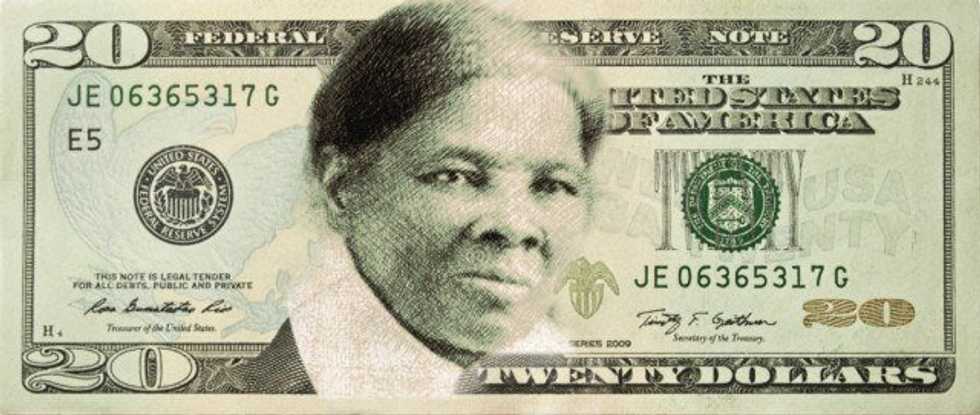
The faces of America's money is about to change, and it's about damn time.
On Wednesday, April 22, Jacob Lew, the Treasury Secretary, announced his proposals to bring about the largest change in American currency since 1929. With full support from President Obama, the plans for the new money could be in circulation by 2030 as long as Lew's successors continue to push for the change.
The government plans to release new versions of the $5, $10, and $20 bills in 2020. Many changes are expected to come, but biggest of them all is the complete replacement of Andrew Jackson on the $20 bill with the face of Harriet Tubman. Some smaller reforms vary from adding the faces of other influential American women to parts of the $5 and $10 bill ,as well as the addition of important events regarding the suffragist movement.
The picture on the back of the $10 bill which depicts the Treasury building will be replaced by a picture of women marching in 1913 for their right to vote in front of the building. The influential American women who will be on the back of the bills include Lucretia Mott, Sojourner Truth, Elizabeth Cady Stanton, Alice Paul and Susan B. Anthony. For many reasons each of these women, including Harriet Tubman, are extremely deserving of this honor.
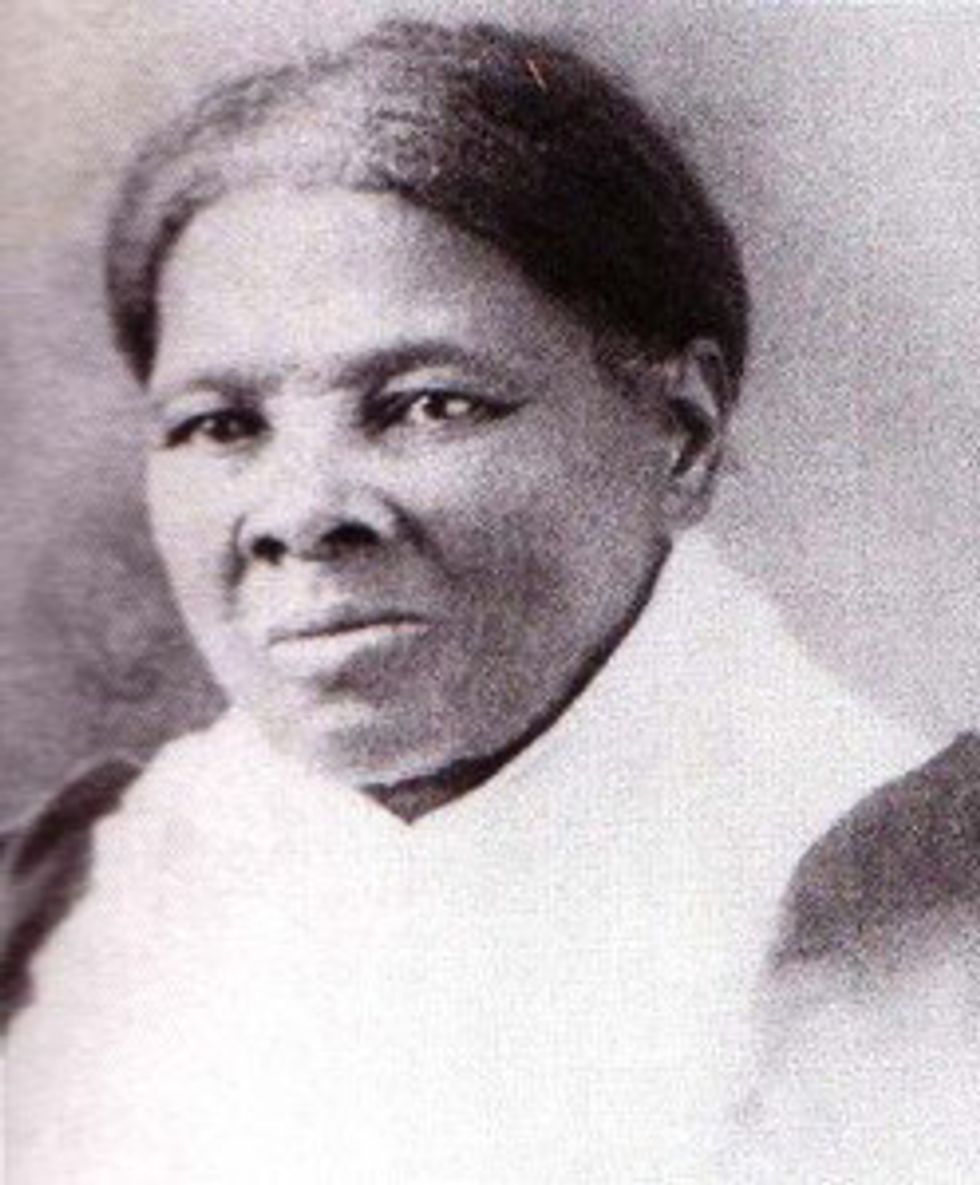
Tubman was born a slave but, as an adult, managed to escaped. For the rest of her life, she proceeded to lead hundreds of slaves to freedom through the Underground Railroad. She is likely the most well-known conductor.
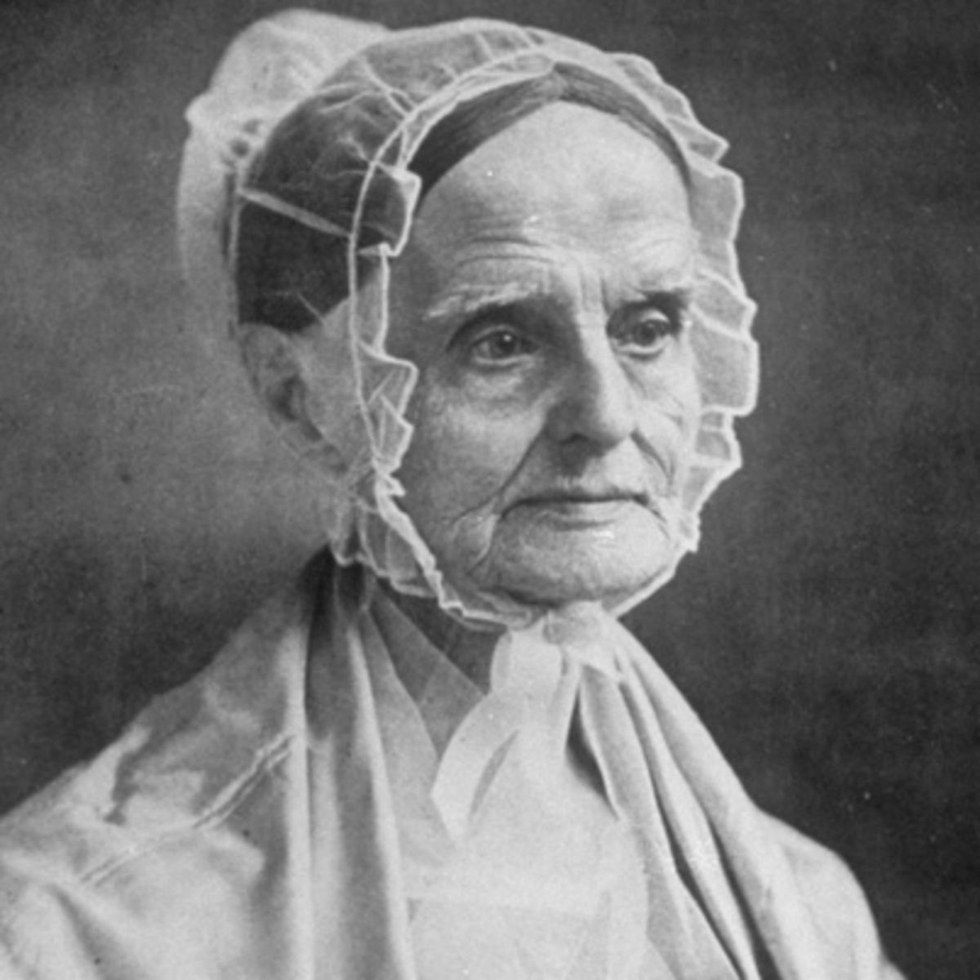
Mott was a major religious reformer and greatly opposed slavery. What she is most famous for is her publishing of the "Discourse on Woman." This piece of writing was most influential during the suffragist movement.
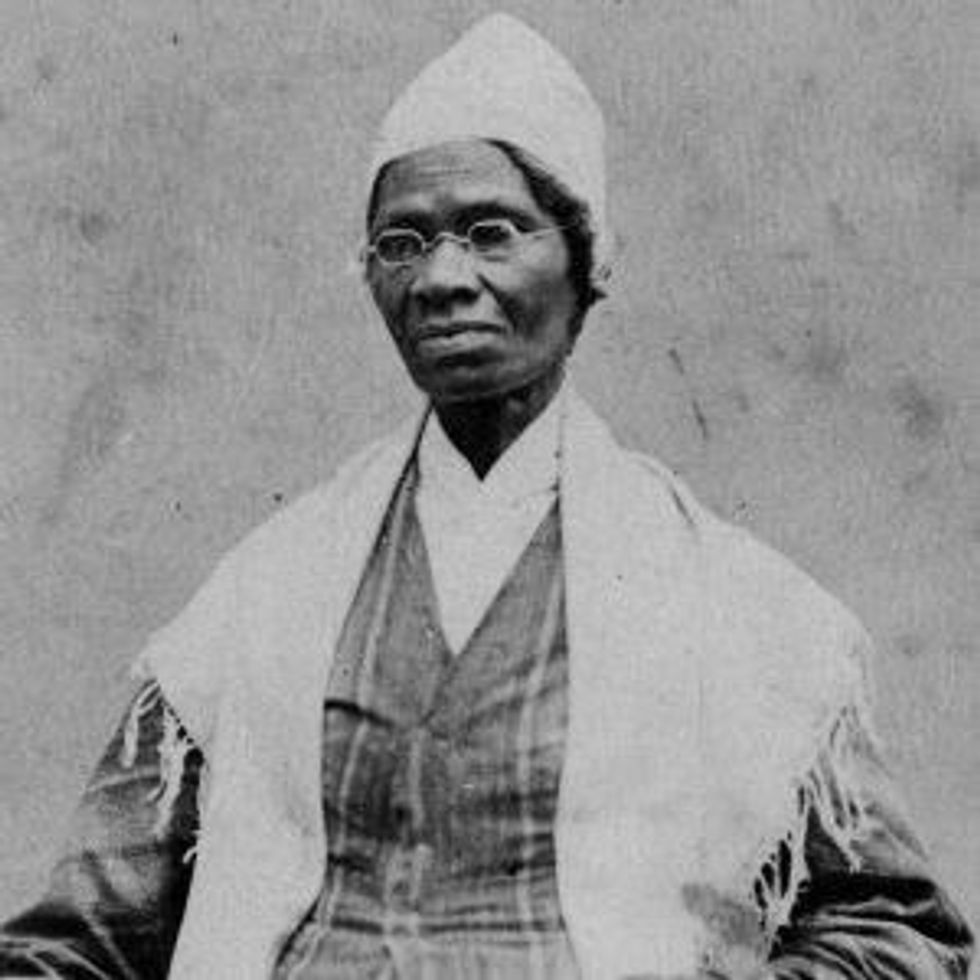
Truth, too, was born a slave and, luckily, the state of New York emancipated all slaves in 1827 allowing her to be a free woman. She was one of the first african american women to challenge a white man in court, and win. Her speech “Ain’t I a Woman?” was one of the most impactful speeches given during the suffragist movement.
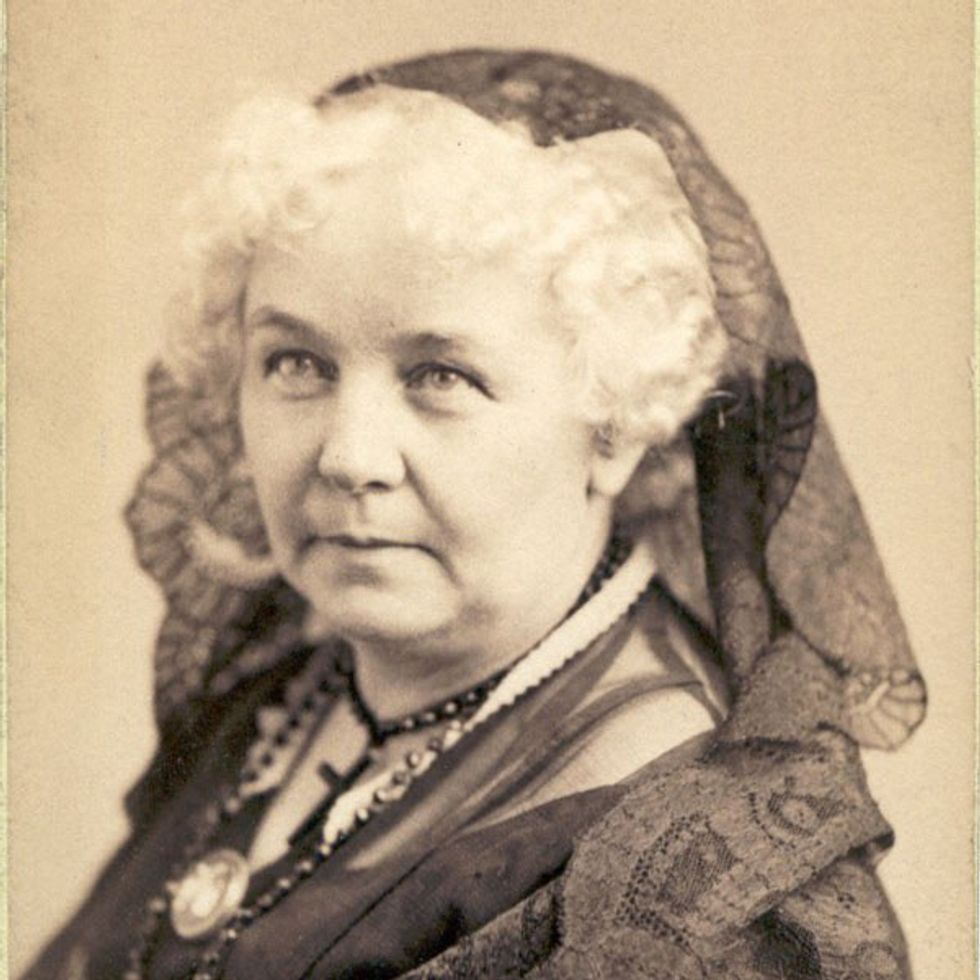
Stanton was an advocate and leader in women’s rights her whole life. She wrote the "Declaration of Sentiments" which called for greater gender equality.
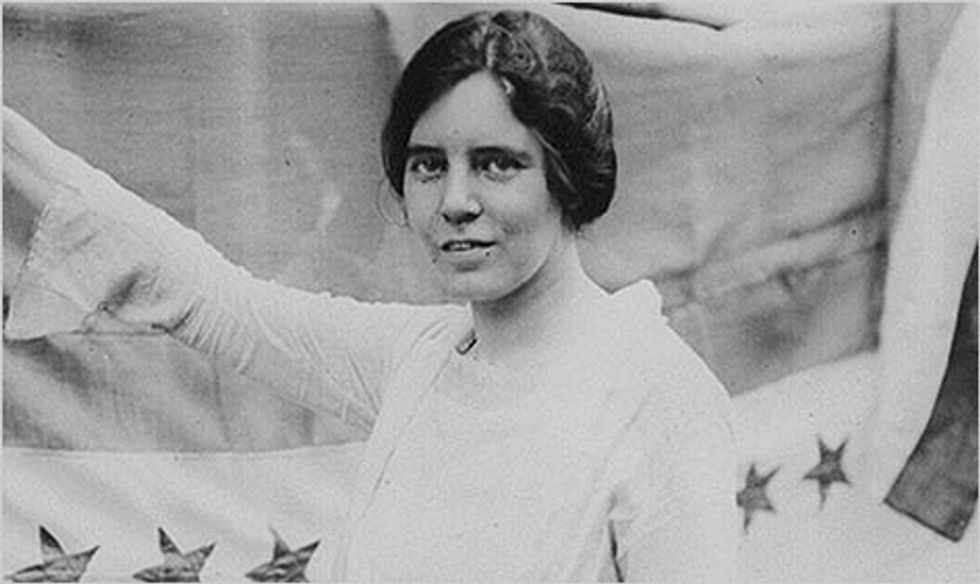
Paul began her advocacy for women’s right to vote in England after college. She then came back to America where she was influential in the creation and passing of the 19th Amendment.
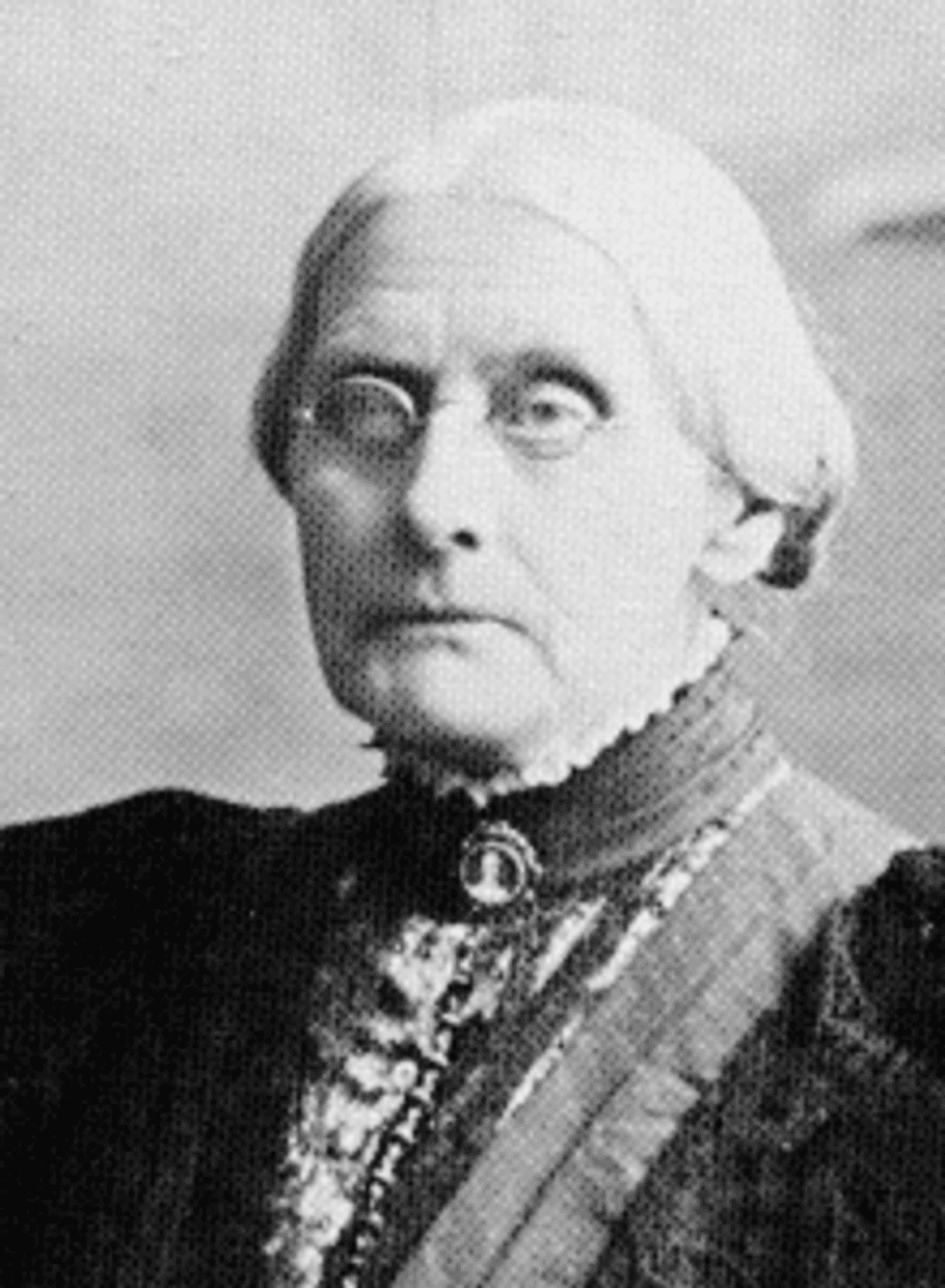
Anthony spent her whole life working on social causes. She supported the suffragist and abolitionist movements and was an influential writer and speaker for both causes. Anthony was the President of the National American Woman Suffrage Association and fought for the woman’s right to vote until the day she died.
What each of these women have in common is there persistence, willingness to help others and their passion. They have impacted not just the United States but the whole world and how people see women. It's about time that we align our currency, which is possibly the most important indicator of our history, with our past.
Treasury Secretary Lew says it best, in a statement that can apply to each woman: "She is a woman that...through her heroism, her vision and her determination, helped change the course of this country."

















