


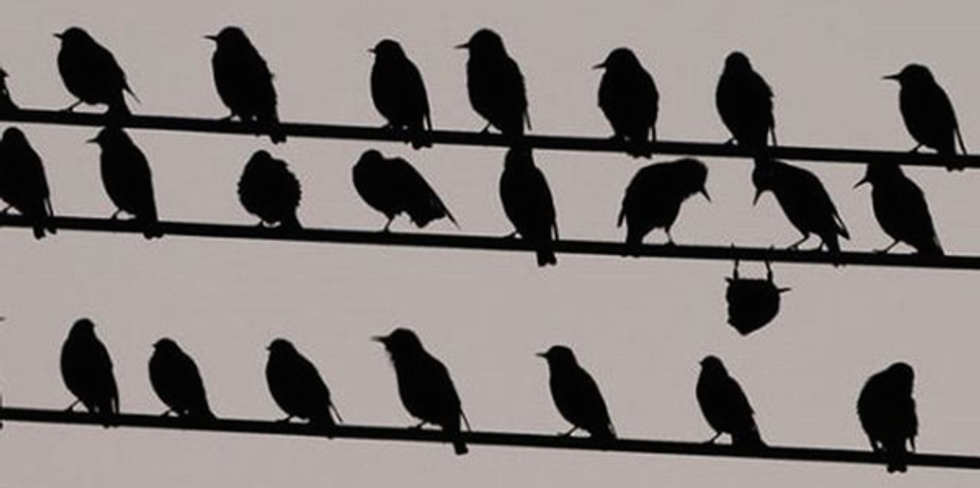
To be different—in dreams, style, words, actions, beliefs, background—is to be so feared as to be reprimanded and ostracized and vilified. The new trend, however, is to “just be you,” but what if “just being you” doesn’t fit into society’s ideologies, your culture’s beliefs, or your own family’s perspectives, what then?
I have a friend who, like me, is Nigerian. She wants to start her own business and become a motivational speaker but her parents want her to go into pharmacy or medicine. This is a very common belief in the Nigerian culture. Nigerian parents want their children to be doctors, lawyers, or engineers not only because these fields pay a considerable amount, but they are also prestigious jobs, allowing our parents to brag that their child is this opulent, successful individual. We, the children, then endure incessant pressure from our parents as the first generation (the first generation to be born outside of Nigeria).
The most difficult part of being a first generation, is to also be the first child. As the first child, all eyes are on you. Your parents expect you to lead your siblings to success. It doesn’t matter which way you go, there’s always a loss. If you do what your parents expect of you and you don’t genuinely love what you do, you’ll be miserable and dissatisfied with life. I mean is medical school worth the debt and time spent if you’re not passionate about it? But your family will accept you, adore you, extol you. The alternative is to do what you love, be it photography, business, or music and bear the consequences: your parents’ disappointment. The disappointment comes with lectures and sighs and intense tension. My friend is experiencing this now. But that is not all.
In addition to a preset career, Nigerians also have certain standards from religion to appearances to sexuality to the definition of a “good wife.” From 18 onward (even earlier in some cultures), a woman or man will be showcased as wife or husband material to possible suitors by parents, aunts, and other extended family. They literally try to set you up, sometimes without even telling you. In order for them to probably bid you, as woman, for example, you must look “fine,” you must be able to cook, you must be able to clean. My friend decided embark on a dread lock and she’s only ever been scolded since then, told that she looks like a tomboy and that she should do weave or braids—anything to make her look like the “feminine” ideal.
It’s so frustrating being different — and by different I mean actually being your own person. It requires you to create a space for yourself to exist. It also means that often times, that space will be invaded by fear, condemned by conformity, and even, exterminated by society. The examples of this can fill whole libraries yet sometimes it doesn’t make it into history textbooks. Think about what it feels like. What does it feel like to be Muslim in a country that supposedly exemplifies “freedom”? It means to be targeted. Or what does it feel like to be gay and Nigerian? It means to never return to your country “as gay and Nigerian” because if you do, you will be murdered. Or to be a part of the LGBTQ+ community in America? It means to be ostracized. What does it mean to be a black woman with an opinion? It means to be written off as an “angry, black woman” who has nothing relevant to say. What does it mean to be a male with feelings? It means to be belittled, to be stripped of the title “man.” What does it mean to be a Mexican immigrant in America? It means to be stereotyped and maltreated. What does it mean to be fat and confident? It means to be relegated and told that you can’t wear certain styles. What does it mean to be different in any culture or society? It means that you are change; you are revolution. You are always fighting for your rights, your freedom, and your life.
It’s difficult being strong when hate is all you experience. It's okay to feel down sometimes; it's normal to wonder if it's all worth it. But don't stay there. Bounce back, not just for yourself but for other people out there who are like you. And if you ever lose hope, remind yourself. Remind yourself of individuals who came before you who weren’t accepted. Think of Muhammad Ali, Laverne Cox, Malala Yousafzai, Danez Smith, Jaden and Willow Smith, Martin Luther King Junior, Malcolm X, Oscar Wilde, Jessamyn Stanley, Harnaam Kaur, and many more. Remember that they were there for you, now you can be a role model for someone else.
Remind yourself that you deserve this space. Remind everyone that individuality makes the world great.

















