My city is a disaster zone. It's weird. It's scary. It's heart-breaking.
There will be relief efforts coming to my back yard. I will help to clear debris from streets that I drive on regularly. Homes I pass by every day were 10 feet underwater.
It's weird. It's terrible. It's, simply, a disaster. But in the wise words of my former Resident Mentor, Karli Wells: "There is lots of bad. But here is what else I know: 1) I am alive. 2) Everyone I know is alive."
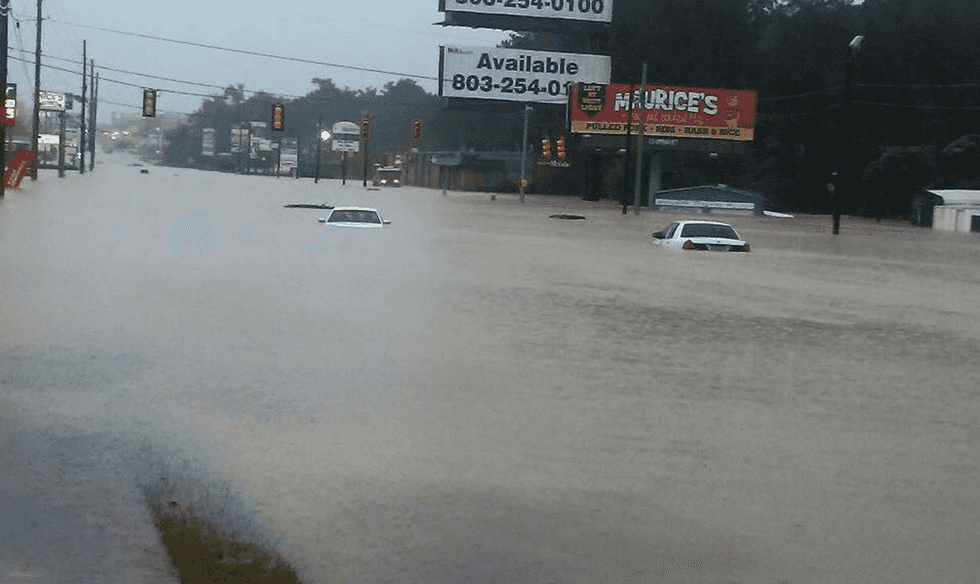
I was lucky. Completely unrelated to the impending flood, I decided to go to a friend's house in Greenville for the night on Saturday, only to wake up on Sunday to pictures of Garners Ferry Road, looking like a river, to texts from family members, worrying about my safety, and to Facebook posts from my sisters, telling people who aren't in Columbia to not try to come back.
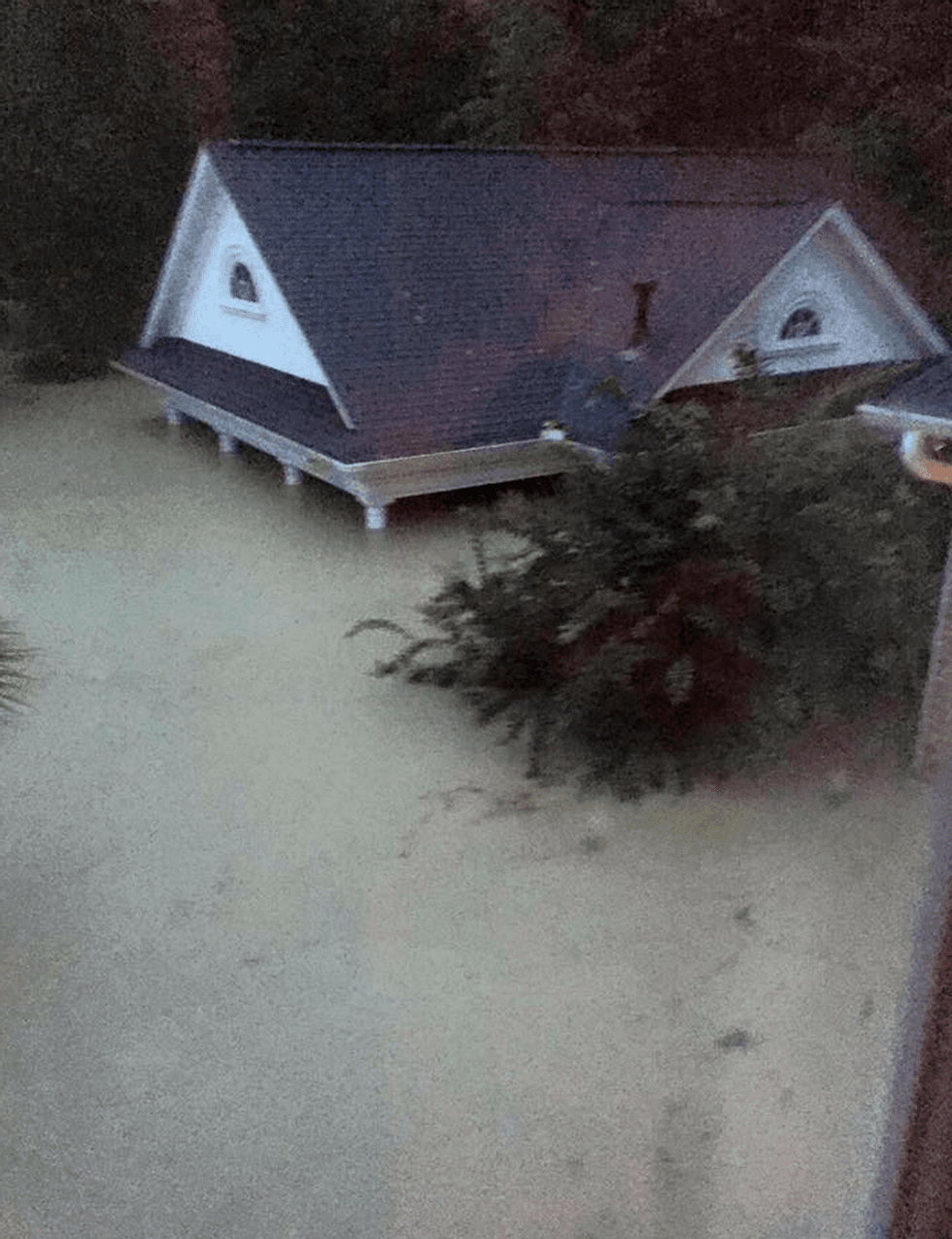
In a flood, that Governor Nikki Haley has deemed a "thousand-year event", I find myself taken aback by how quickly and drastically life as we know it can be altered. No one expected for the ramifications of the storm to be as bad as they were. Countless families, who thought sand bags would be enough to protect their homes, lost everything to the water. Thousands of students, who went home for the weekend with one change of clothes, don't know when they will be able to safely go back to campus. Six people, who went to sleep on Friday, looking forward to the weekend, tragically lost their lives to this storm. It's yet another reminder that everything can be taken away in the blink of an eye.
Even though the rain has stopped, the danger is still prominent, and with more dams breaching and more roads collapsing, the work has only begun. It is going take months and years for the city of Columbia, Richland County, and the state of South Carolina to rebuild. It's going to take the help of the Columbia natives and the transplants, the students and the professionals, and even the volunteers from other states to rebound from this natural disaster.
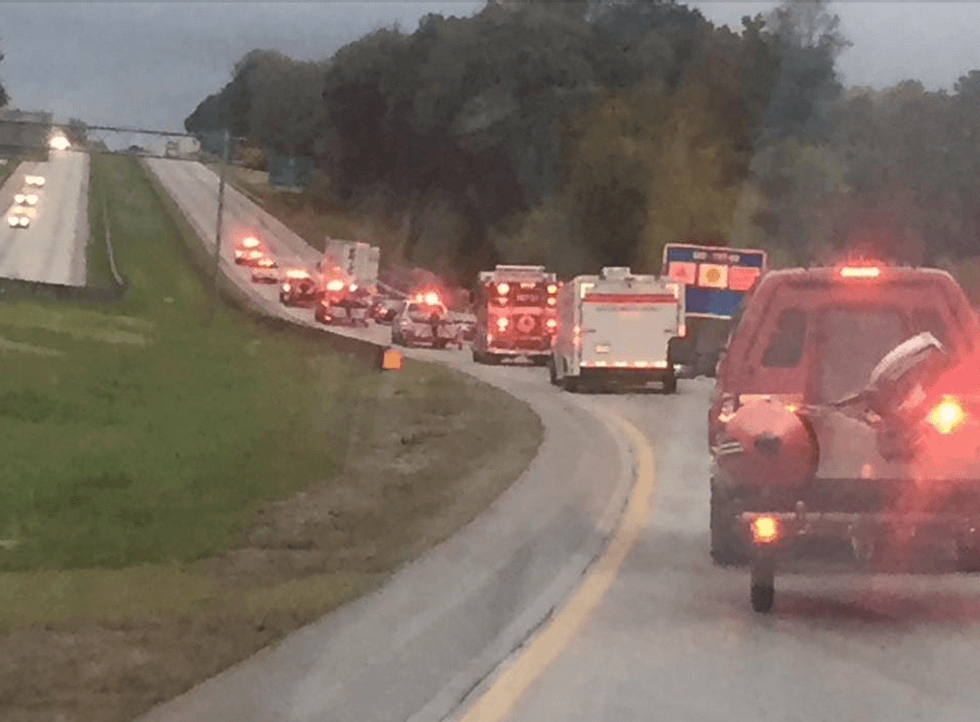
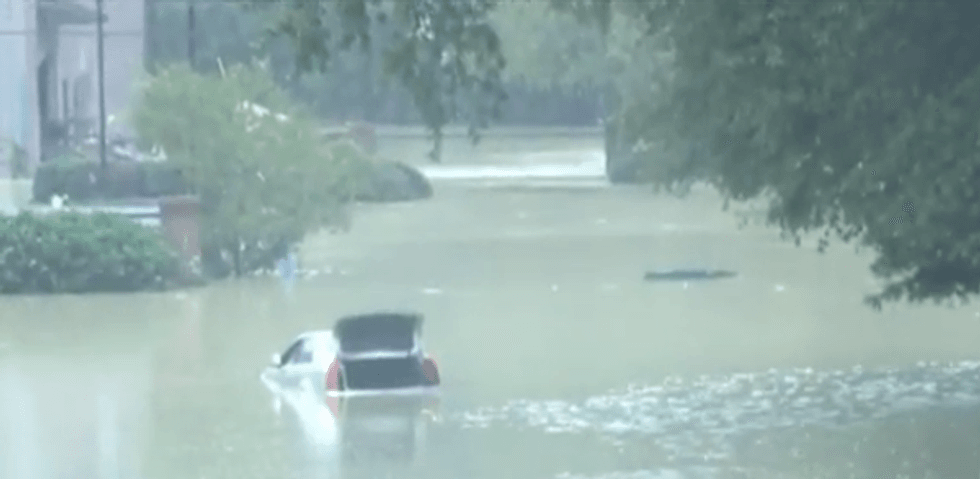
We will remember this fateful weekend for decades, and we will recall how much it changed our time in college. I personally, being someone who had no ties to South Carolina before starting school here, will find, and have already found, that this event will tie me so much tighter to this state. As for the born and raised South Carolinians, Habiba Fayyaz, Columbia resident and USC student says, "Since I've always lived in a suburb of Columbia, it can be hard to see how disasters directly affect people in my community, but experiencing this flood while on campus has made me realize just how much the people of Columbia can manage to come together in a crisis and support one another."
Kelly Morgan, Irmo resident and USC student, also says, "It's just so sad to see something like this happen in my hometown. I have friends who became homeless overnight. I personally thought all of my stuff was going to be ruined. It just shows that we can't avoid making necessary improvements to our roads and waterways, and we can't wait until the next natural disaster to do so. I pray for everyone affected and know that South Carolinians will support each other throughout this."
I've been to places hit by Hurricane Katrina, to places devastated by tornados, and to places without adequate healthcare, to help them rebuild and to build initially. It's crazy to think that for the rest of my years at Carolina and for years after I graduate, there will be mission trips coming to to help us. But first, the people of Columbia need to gear up and start the process.
It's time to start helping with the relief effort. How will you step up to help your Carolina community?
For ideas on how you can get involved, check out this article.