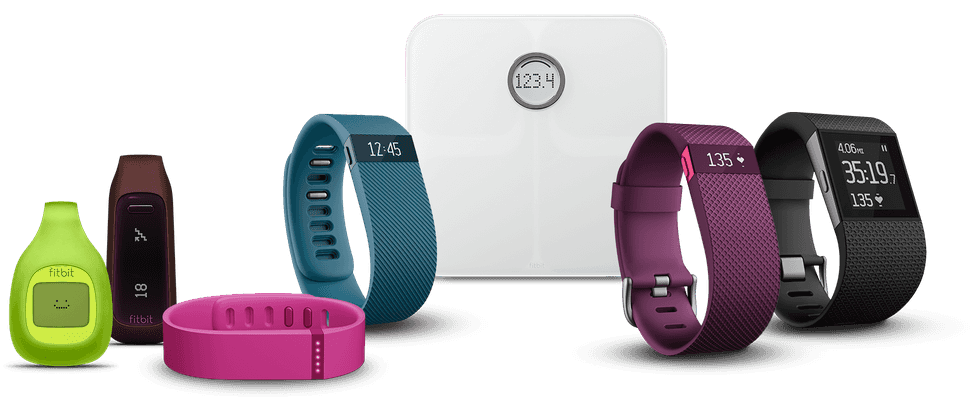
I got a Fitbit for Christmas. It is one of the more popular brands in a slew of fitness trackers, and I loved the design of the Fitbit One, a little black clip that I could hook onto my bra strap or waistband, and it would track my steps from its hiding place under my clothes (the bracelets are a little too bulky for me).
I knew the device would tell me how many steps I was taking each day, but I did not know it would revolutionize my life. And that is only a very slight exaggeration.
The recommended daily steps for an average adult is 10,000 -- but the average American takes less than half that many every day! Numerous studies have shown that inactivity and too much sitting (a.k.a. the sedentary lifestyle of anyone who works in an office or is a student sitting in lectures all day) is as detrimental to health as being overweight or obese, if not even more harmful. So, the Fitbit steps in to let you know how many steps you have taken, congratulate you when you meet your goals, and buzz to encourage you if you are not quite there yet.
But not only does my One track my steps, it tracks the miles I have gone, floors I have climbed, active minutes, calories burned, hours slept, calories eaten, and pounds lost. Some of the data is very encouraging. For example, I climb an average of about 25 floors every day without ever climbing a set of stairs. Yep, that's how hilly Penn State's campus is. Some is discouraging, however. When I was at home over Christmas break, even on days when I would go to the gym for over an hour, I would not hit my step goal for that day, because the rest of the day, I was pretty much sitting around and driving everywhere. But every week day at school when I walk to class and go to the gym (and I even leave it on to track my steps when I am frolicking around downtown at night), I have no problem hitting my 10,000, and I sometimes exceed that by several thousand. All that walking we complain about is actually good for us.
The Fitbit has also proved a great aid to my spring break prep regimen. You can input the foods you eat, as well as a goal for daily food intake to promote weight maintenance, loss or gain, and the Fitbit helps you keep track of how many calories you have left for the day in order to meet your goal. It also makes you aware of whether you're under or over your target calorie intake for that day. And the more you move, the more calories you burn, and, therefore, the more you can eat that day. Knowing I can have an extra treat for dessert is reason enough for me to walk to class instead of taking the bus.
My only criticism of the Fitbit is that it can become a little all-consuming. Sometimes I find myself opening the app on my phone, closing it, and then opening it again five minutes later. What, did I think I just took another thousand steps in that time? I love stats, so it's fun for me to see where I am and how far I still have to go, but there is definitely a healthy limit on the app. Inputting the foods you've eaten could also be an issue if you tend to get anxious about the calories you have consumed and become too restrictive on yourself. Allow yourself to exceed your target on Saturdays when you feel like eating some fries and skipping the gym. Know you are not going to meet your step or mileage goal if you are feeling under the weather and need to stay in bed all day. It's okay.
On those days, remember the Fitbit also tracks sleep. When you wake up in the morning and see you slept nine hours and 27 minutes, and were only restless for three minutes throughout the night, feel glad you gave your body that much-needed break and got a good night's sleep. As long as you use the Fitbit for good and not harm, it is an excellent motivator that I highly recommend for anyone looking to be a little healthier and more active.