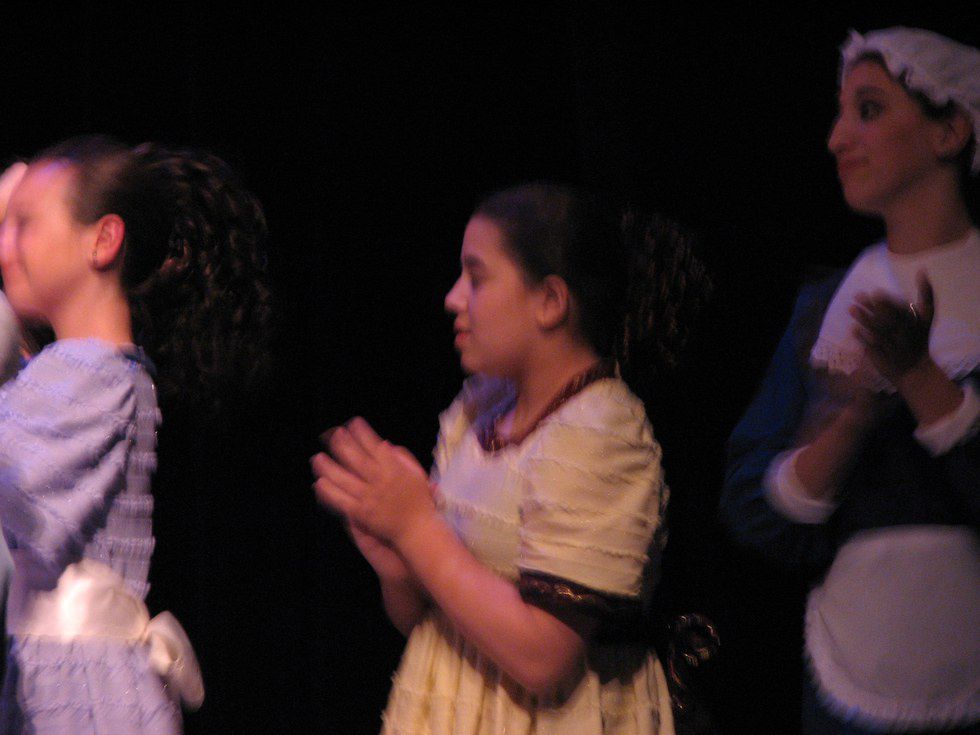
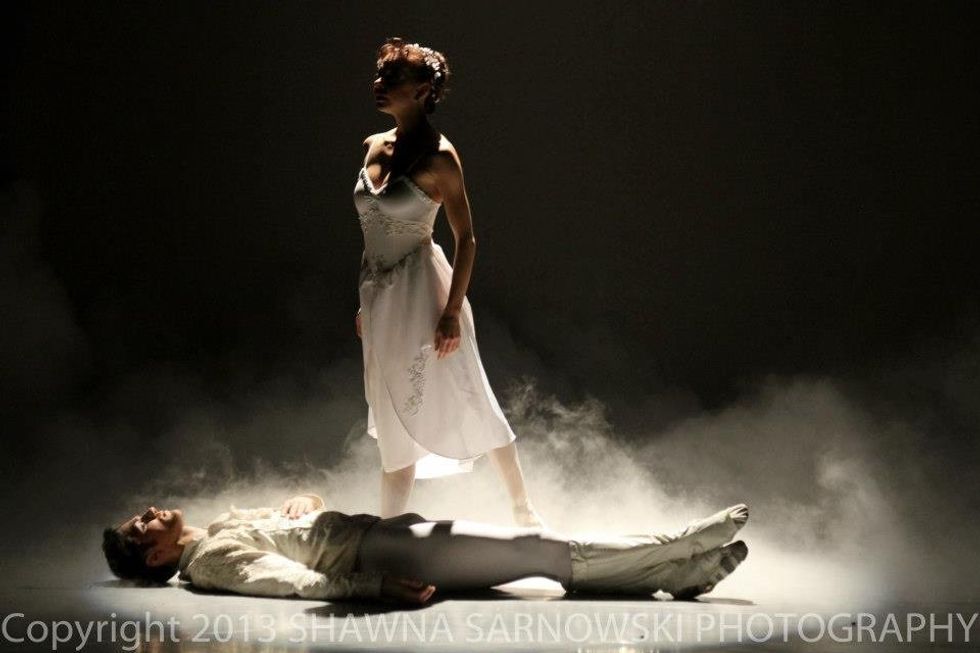
Scattered conversations of theater patrons murmured beyond the towering, velvet curtain. I paced excitedly within my designated space, my ballet slippers slapping the side-stage floor. The show was about to begin. My heart stopped as I heard a professional voice echo over the intercom welcoming patrons and requesting them to silence their cell phones. But the quieter the patrons became, the more excited we got. There was one final aggravated “shush!” from an adult performer before the lights came on and the music hummed to life. I held my breath and restrained from pinching myself to see of this was real. It was. For once I wasn’t dreaming. I was in a production of Tchaikovsky’s The Nutcracker!
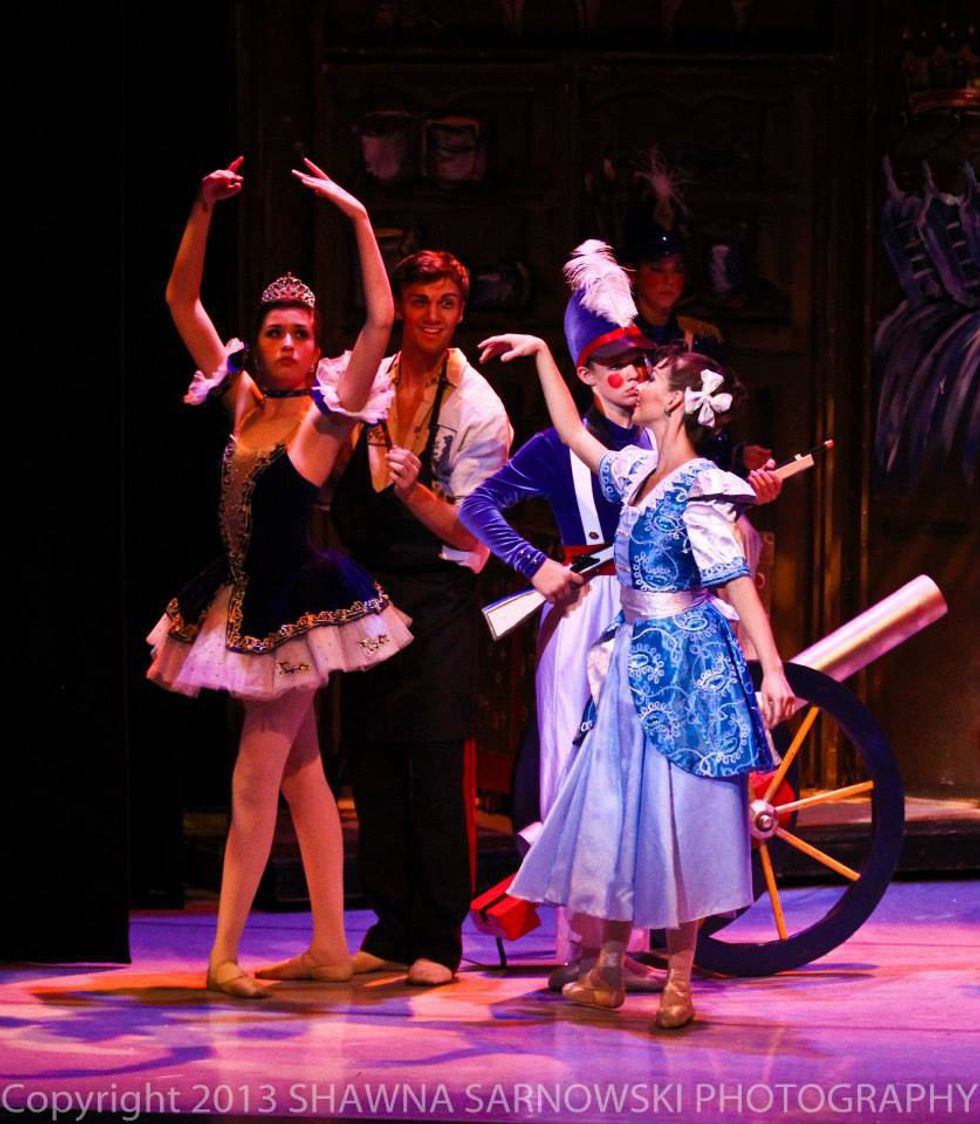
My experience of being in The Nutcracker was life changing. Though my role was small, I was a part of something much bigger than I could ever imagine. Mark Erickson, owner of The Ballet Studio in Temecula, has set his production of The Nutcracker apart from all others. His rendition of the ballet is more cinematic in quality and the story is much easier to follow. Though I left the studio in 2007, my family has made it a tradition to see Mark’s production of The Nutcracker every year at Christmas. And every year he adds and expands to the story, making it even more creative and unpredictable.
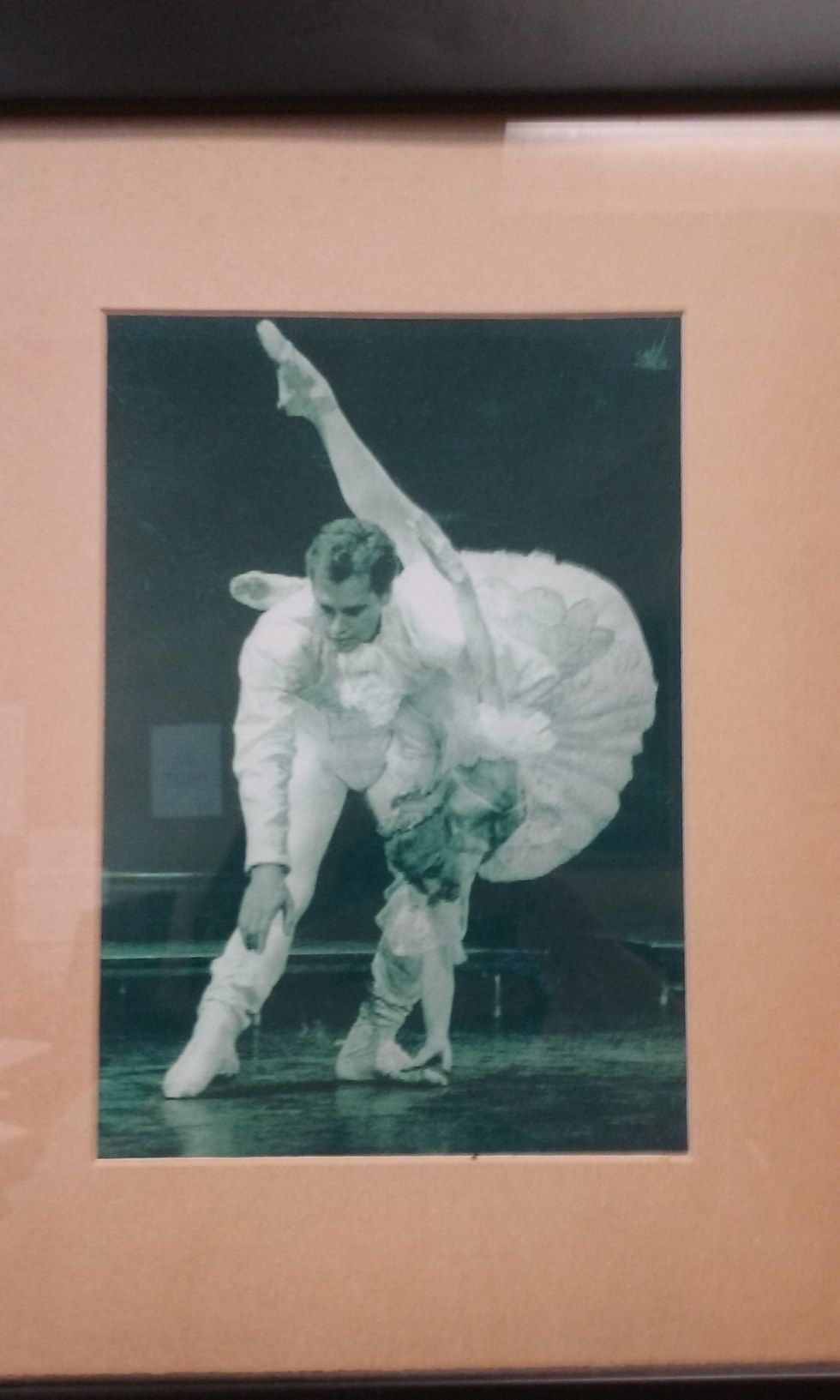
Because of his unique approach to The Nutcracker I decided to ask him what inspired him to make his productions so vivid and cinematic. He graciously agreed to meet with me in his office at The Ballet Studio and tell the story behind his version of Tchaikovsky’s Ballet.
“I always had a different take on The Nutcracker ballet,” he told me. “I mean as it is traditionally done it doesn’t make dramatic sense. There’s a First Act and a Second Act and there’s a couple of kids that go between the two, but there’s no real powerful, dramatic element to it.”
He then proceeds to tell me that the initial inspiration for his take on the show came from his time as a dancer in Andrew Lloyd Webber’s unforgettable musical The Phantom of the Opera. Needless to say my mind was officially blown.
“When I was doing The Phantom of the Opera for those eight years, I kept thinking about how to change it [the Nutcracker] to make it make sense and have a more dramatic arc. I wanted it to allow people to watch the ballet and understand what was going on without having to read a full page synopsis before the show even begins.”
In the original ballet, the character of Clara is given a Nutcracker by Drosselmeyer who is the local toymaker as well as her godfather. After her mischievous brother Fritz breaks the Nutcracker, Drosselmeyer fixes him using magic. That night when she falls asleep in front of the Christmas tree, Drosselmeyer returns and sprinkles magic around the room to shrink her to the size of one of her dolls. (Creepy? Maybe. But there’s magic so we ignore this fact). When Clara wakes up she is attacked by the Rat King and his mice henchmen. She is saved by the Nutcracker and the dolls who come to her aid. The Nutcracker transforms into a handsome prince and leads Clara to the land of the dolls where she is entertained by various creatures and fairies. The show closes with a romantic pas de deux between the Sugar Plum Fairy and her Prince as the curtain falls.
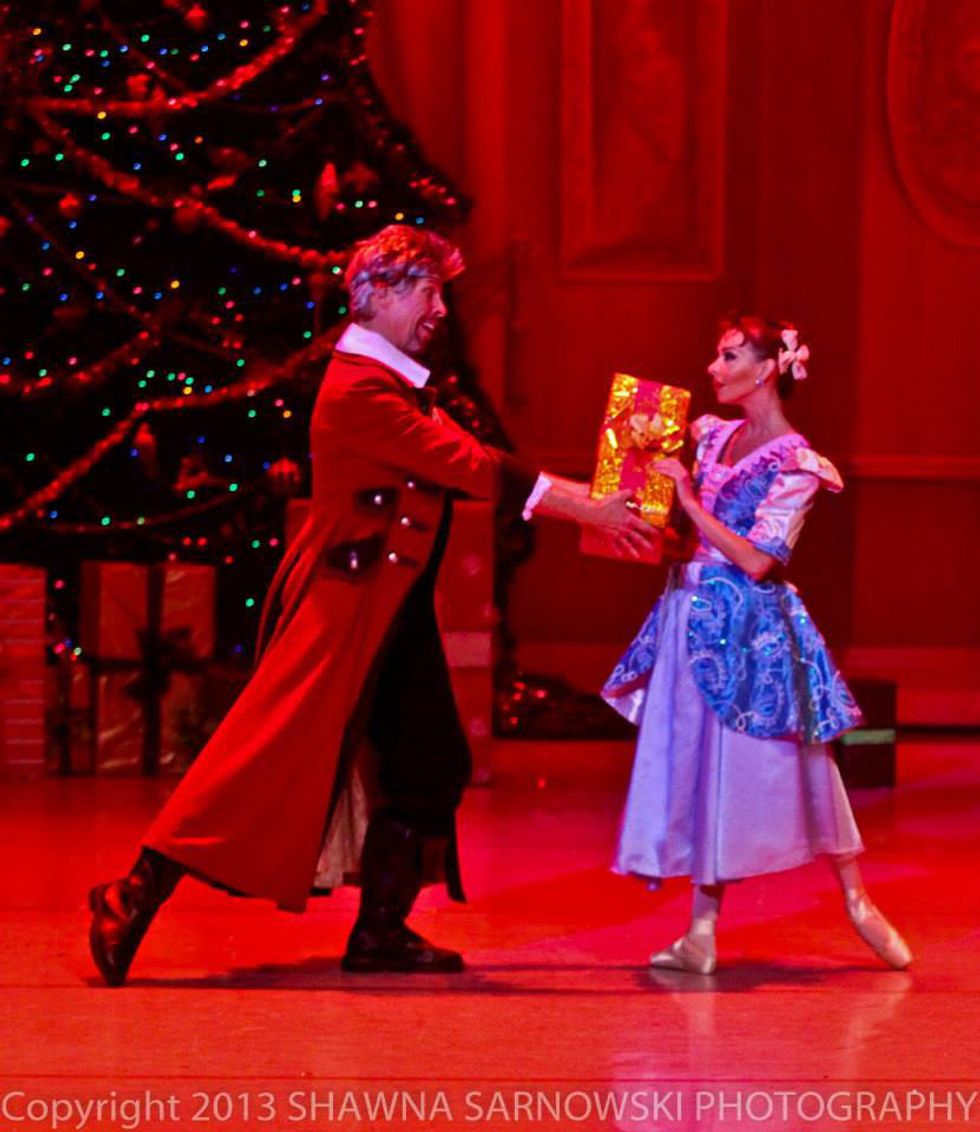
Despite the beauty and colors of the show, this storyline is often hard to follow and leaves the audience with little closure. Does Clara ever leave Candyland? Is there supposed to be a romance between her and her nutcracker? What happened to Drosselmeyer? Will she end up on a milk carton in her real world? Mark Erickson’s adjustments to the show are both daring and logical all at once. Unlike previous productions, he decided to create a strong character connection between Clara, the Nutcracker, and Drosselmeyer.
“We create a very strong trio between Drosselmeyer—which is actually the villain of the show—and Clara, and Drosselmeyer’s assistant [the nutcracker],” he explained. “That’s the triangle in the show which turns into a romantic story between Clara and Drosselmeyer’s assistant who’s from the other side of the tracks so to speak.”
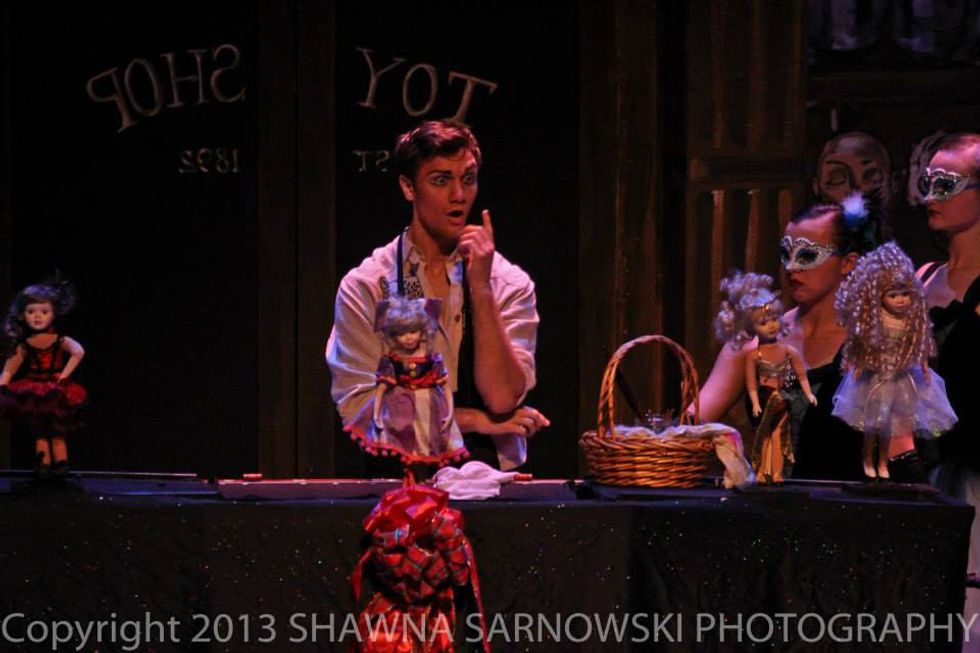
From the very beginning of the show, Erickson establishes Drosselmeyer as the slave driving toymaker, and his assistant as the sensitive and humble protagonist. Clara is immediately introduced in Drosselmeyer’s toyshop and the romance between her and the assistant is quickly established. Drosselmeyer is shown trying to come between them from the very beginning and when Clara falls asleep in front of the Christmas tree the Second Act is clearly seen to be a dream sequence with Drosselmeyer as the Rat King and the assistant as the Nutcracker. This triangle carries throughout the show creating a more vivid yet simple story to follow. The romance between Clara and the Nutcracker is what drives the story forward and—instead of a random Sugar Plum Fairy and her Prince—the story ends with their final dance as Clara wakes up from her dream.
“Phantom [The Phantom of the Opera] is very dramatic. And it’s a love story,” Erickson continued. “So I felt that it [The Nutcracker] had to be dramatic like that. There had to be something at stake. In the opening scene I added Stravinsky music, Rite of Spring, to create—from the very beginning—the relationship between Drosselmeyer and his assistant. You are also introduced to Clara in that scene as well, so that first scene is critical for the rest of the story.”
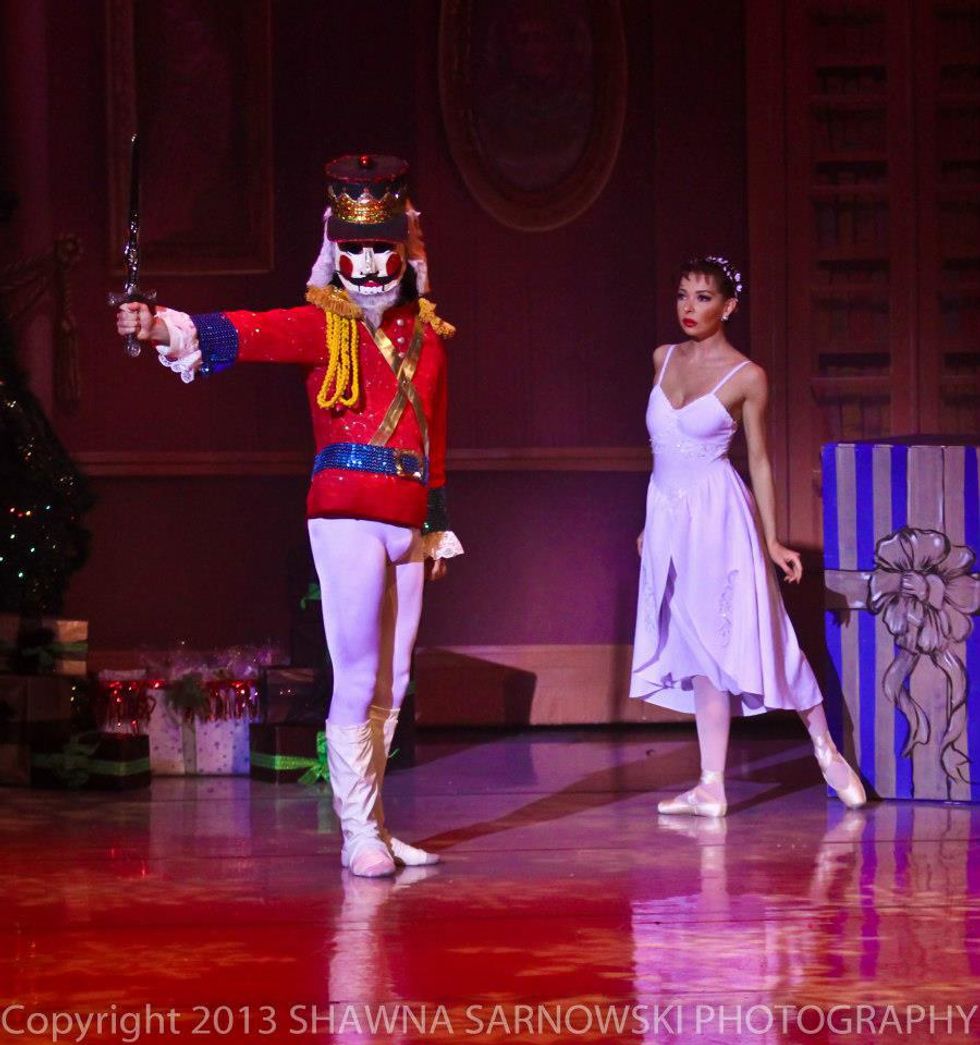
With this strong character dynamic, specifically the romantic element, it is no wonder that Erickson’s production of the Nutcracker has become one of the Top Ten Nutcracker ballets in all of Southern California. But this production has brought more than regular patrons to the theater every Christmas season. It has produced its own franchise of special ballerina dolls.
“I would see a lot of the little girls come into the dressing room,” he said. “And they would just bring a variation of all the different dolls that they had and dress them in the costumes of some of the different characters. And I just kind of thought, ‘well why isn’t there a doll line just for the ballet?’ I came to find out there was nothing out there so I created a company called My Ballerina Dolls and we decided to start with the Nutcracker series.”
However these dolls are not your average, everyday dolls. Barbie doesn’t stand a chance against these unique creations. Let me put it this way: I bought one and I’m twenty-one years old.
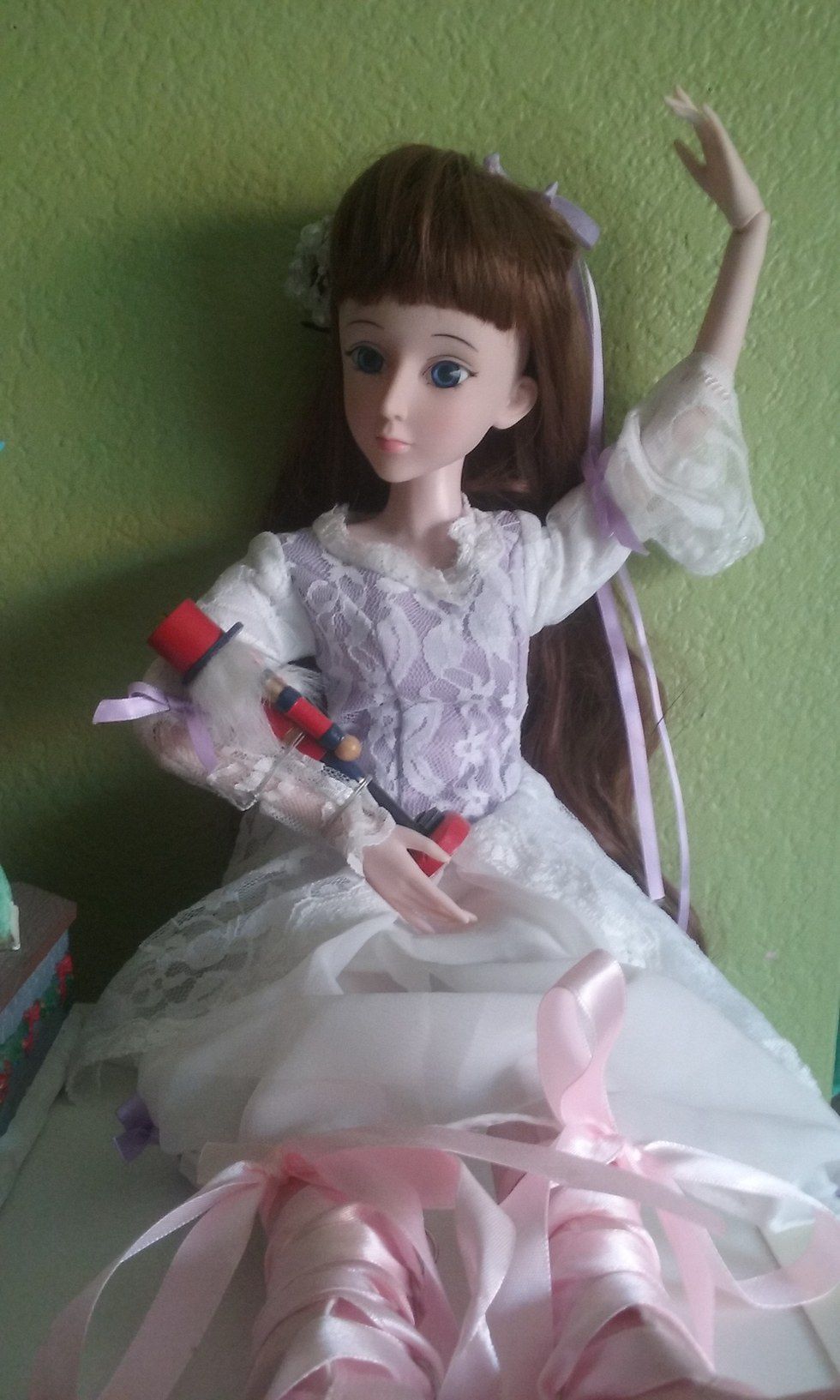
“What’s unique about the dolls as that they are ball-pointed and they actually articulate to classical ballet positions,” he described to me. “So the dolls are about twenty-two inches tall and we started off with the three main characters: Clara Marie, the Nutcracker—who, when he takes his helmet off, becomes her prince, and the Snow Queen. We also now have a fifty page book, fully illustrated and written by Beverly Stephenson, based on the ballet I created.”
Mark Erickson continually demonstrates himself to be not just a dancer, director, or teacher, but an innovator. His changes to the ballet as well as his contribution with his ballerina dolls continually brings joy during the holiday season and throughout the year. But to me, being a part of his production, was a dream come true and one that I never fail to revisit every Christmas season. If this article has done nothing more than tickle your fancy or tempt you to come to Temecula to see the show, then my work here is done. If you are interested, you can purchase tickets on their website: theballetstudio.net or go to the Old Town Temecula Community Theater website and purchase them there. I suggest you get them early since it tends to fill up quickly. I hope to see you there!