
Theatre is truly an incredible art form. Centuries old, it allows an audience to get a glance into a new world and follow a cast of characters through hardships big and small. Theatre is also commonly used in therapeutic settings, as a device to reach out to communities, and even as a commentary on events all throughout history. Theatre spans across every culture in one way or another, breaks down barriers of language, and can touch people young and old alike. In America, theatre has become rather… monochromatic as of late, particularly in regards to our children.
Take "Hairspray" for example; set in the early '60s, the musical has strong commentary in regards to the Civil Rights Movement as well as some beautifully powerful roles for black actors and actresses. Given the time period, it seems only natural and historically accurate that the cast for this show have a good deal of diversity involved. Without diversity, the messages of segregation run the risk of being severely blurred. A similar point could be made for musicals such as "Porgy and Bess," "West Side Story," "In The Heights," and plenty more.
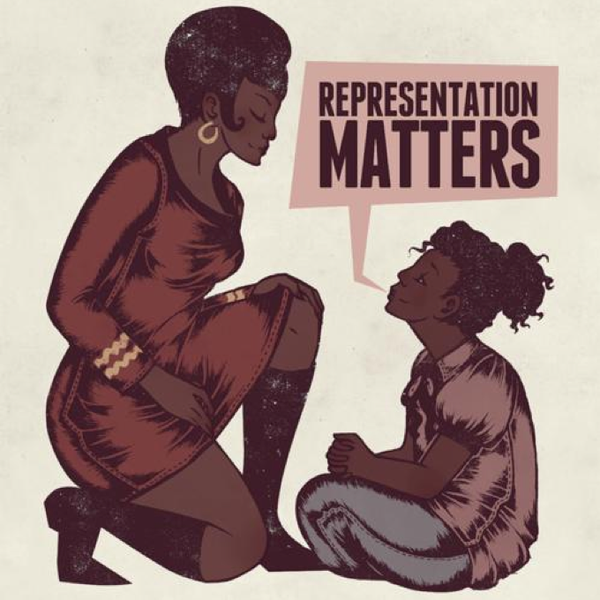
With the controversy from the 2016 Oscars nominees, there is an obvious need for diversity when it comes to not only performers, but artists in film and theatre in general. The more diversity we see now, the more children of any background might believe it’s possible for them to achieve what they dream. This of course is true for any profession, but in theatre it is crucial that we teach children that they can one day make the art that can touch so many, just like the adults they see.
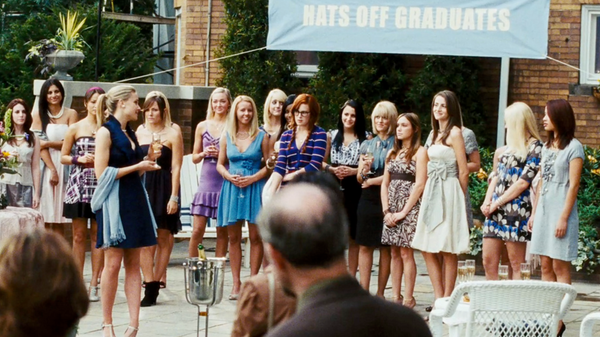
Why then are so many school productions of shows like "Hairspray" and "West Side Story" cast almost completely white?
As artists touching the lives of young potential artists, don’t we have a responsibility to stay true to messages that such musicals deliver? These children can all surely take some knowledge and growth from any show they do with good enough mentors. The beautiful thing about theatre is that something new can be learned in every single rehearsal. If we stand by while shows that hit on race are cast in irresponsible ways, what are we really teaching them? It seems to me that the more we cast white actors in roles of color, the more we solidify for our children that nomination ballots like the 2016 Oscars should be standard. This simply isn’t so.
As any artist, you have a responsibility of sharing your message with the world around you. This responsibility can never be taken lightly, or else we run the risk of making white-washed nominee ballots the norm. This responsibility lands on the people in charge to take an objective look at the show they want to produce. The responsibility becomes even more important if the moral can be applied to society in its current state. Can the messages that still have importance today be communicated to the audience effectively? If the answer is no, consider doing another show.