


Ever
since the advent of copyable music media, piracy of music has been a
complex and divisive issue in the music industry. As far back as the introduction of the cassette tape, people have been copying and sharing music
recordings without the license owners seeing a dime. This practice,
despite being illegal, is very hard to prevent due to how enormously
common it is. Record and movie companies have tried and failed to instill guilt into the masses for years with ads that have become all too familiar.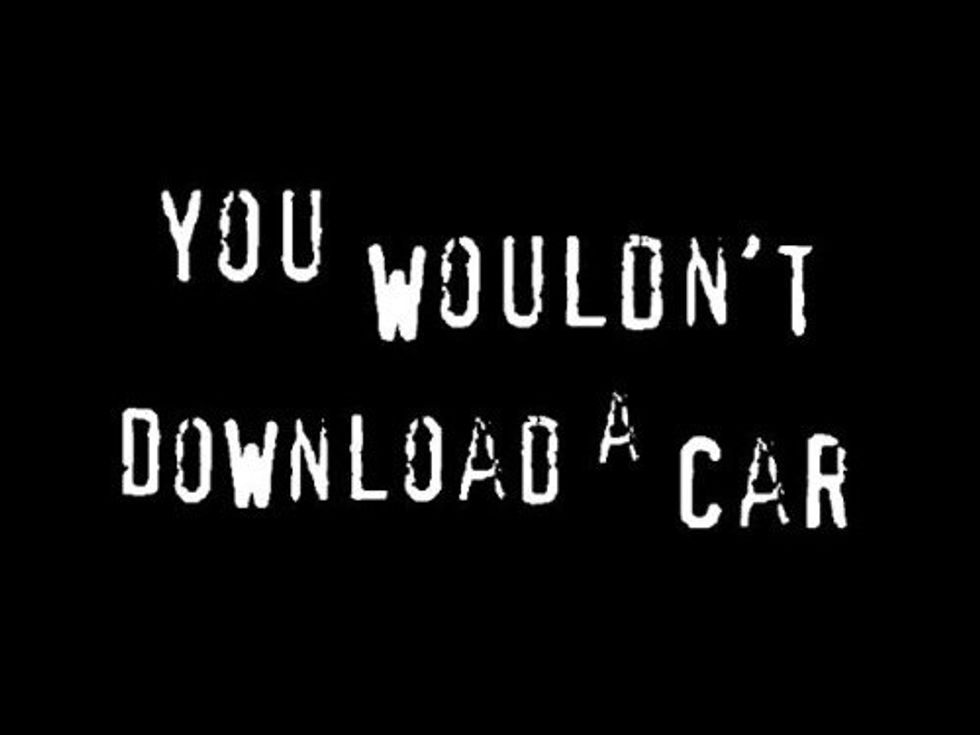
Due to piracy's seemingly unpreventable nature, the issue lies more now in whether or not the music industry should embrace consumer demand for free content or should hold firm and continue to require payment for legal use of media.
My personal view on this is situation dependent. I personally make use of streaming services for the majority of my music listening which, while legal, pay artists very little per play of their music. My way of making myself morally satisfied despite this is finding auxiliary ways to support artists I listen to often, whether that be through merchandise - such as clothing or physical albums - or through concert tickets. This is especially true with lesser known artists. I'm less inclined to, say, buy a Vampire Weekend shirt than buy one from a local band that's just getting their start, even if I love the music of both bands equally. I do however occasionally engage in piracy, most often with artists that are not available on streaming services (*cough*Kanye*cough*). I wish I could say I made up for this by supporting them with auxiliary purchases on every occurrence, but that wouldn't be true. This is a place where I fall victim to the common mentality shared by all those who pirate music: convenience almost always comes first, even before an artist receiving their due. My ideology, one that I do occasionally fail to abide by, is that artists you like deserve something from you. Whether it be buying their music or merch, or going to their show, or even just showing their music to friends and spreading the word, if you consume something and enjoy it, you should be willing to give something back. This is why I try to avoid outright piracy as much as I can.
An argument can however be made in opposition to my personal view of content creation justifying compensation. One could argue that even if we were to make music media free of charge, truly great artists would still find success through live touring and merchandise sales. Many independent artists have found success through this very model, especially through the use of the internet. Sites like Bandcamp and Soundcloud make it easy for artists to get their music freely online and charge however much they want for it, including a pay-what-you-want donation model. One of my personal favorite artists, Shakey Graves, released his debut home recorded album Roll the Bones on Bandcamp free of charge. I, like many others, found this album and fell in love with it. Being free of charge, the album was very easy to share with friends by simply sending them a link to download or just stream for free on Bandcamp. It took Shakey a few years of garnering an internet fanbase before he was able to release a new album, tour nationally, and make his first television appearance, but without that first easily accessible free release, it could be argued that he never would have received any where near as large of a following. When asked about the success of his pay-what-you-want release of Roll the Bones in a Reddit AMA, Shakey described it as "Outstanding." He also reflected that "The way I see it, I really believed in my music, and I trusted that if people had it they would share it. The majority of my "career" as a musician has not involved money in any fashion so I figured that I would rather flood the market than try and fill my bank."
Shakey's success story could serve as an inspiration to those that want to see a change in the music industry, but one man's success does not equal the success of others, no matter how deserving they may be. The way the record industry works now, labels receive the majority of the cut of a given album sale. "Injustice!" you may exclaim, but not all of this money is going into some music industry bigwig's pocket. Much of this goes into promotion for bands to try to ensure further success. Sure, you might get a Shakey Graves every once in a while that gets stumbled upon enough times to garner a following, but the likelihood of this happening with every truly great artist out there that has yet to be heard is slim. Were the labels to die completely and all musicians to go the independent route, site like Bandcamp would be so flooded with artists that it would be near impossible for anyone to stand out in the veritable cacophony of releases. Now, do record labels serve a sacred code of promoting only the best and most deserving artists? Absolutely not, but without being picked up by a label, would Nirvana have ever been heard outside of Washington state? Sure, labels may promote a lot of what some consider to be Top 40 fluff, but they also are at least partly responsible for the rise to success of some of the most influential artists the world has ever seen.
I think the shape of the music industry is going to change a
lot in the next few decades, but I don't think we will see the death
of the working musician. I believe that the industry is going through an awkward transition, and that labels will soon be forced to change if they want to stick around. I, as a music lover, really do believe in the rights of the artists, and the way some are treated by their labels is borderline abusive. This needs to change, but I don't think the solution is outright abolition of the labels. The industry needs to find a balance point, where artists can prove themselves and gather a fanbase independently if they so chose, but also can join a label to further their reach, without living in fear of losing their money or their intellectual property. Regardless of how tumultuous times can be, I am optimistic about the future of the creative world. With how easy technology has made it to create and be heard, I think the future holds tremendous talents that could come from anywhere, and I can't wait to see what's in store.

















