When I was eight years old, my parents took me to my first concert. At this point in my life, I had no concept as to what good music was and lived off of listening to vinyls that my parents had collected over the years. I grew up on Bob Dylan, The Rolling Stones, and Johnny Cash. However, just like I tend to have in the present, my parents had a small taste for country music. They took me to see Alabama, and I was so baffled that thousands of people showed up to physically see a band play instruments and sing.
This was the first time I knew I wanted to be a music journalist.
I asked my mom and dad a million questions that night, as I did about everything. Why was the audience so happy? Why did the music sound better live than on the cassette tape I had heard in my dad’s truck on the way up? What do you think the band is doing backstage when they run back there? Are they all friends?
I grew up to completely submerge myself in a whirlwind of music. I wanted to know more than what critics were telling me in magazines. I needed to know why the words to a song were written, and not why the artists decided to wear a scandalous outfit.
Music seemed like an art to me, and not a subset to fashion, movies, or advertisements. However, the speed at which the world moves in present time compared to when I was eight at the Alabama concert is significantly different. Maura Johnston says the Internet is entirely to blame for the pace music journalism is moving.
“With diminished resources, what happens is the stuff that’s known to make money gets all of the resources and the time,” Johnston said.
With thanks to streaming services and the constant access to songs before the artists can even say their new song is out, music has become as much as a lifestyle accessory as the latest smartphone. Everyone has become a music journalist in their own mind, thanks to social media allowing them to output their lifestyle statements disguised as reviews.
Music journalists around the world are beginning to catch onto this and are just creating their own platforms to express their writing. Places like Yours Truly have goals of telling musicians' stories through pictures, text, and more multimedia to make it feel like you are with them. Pitchfork is one of the only magazines sticking true to their guns of reporting music journalism.
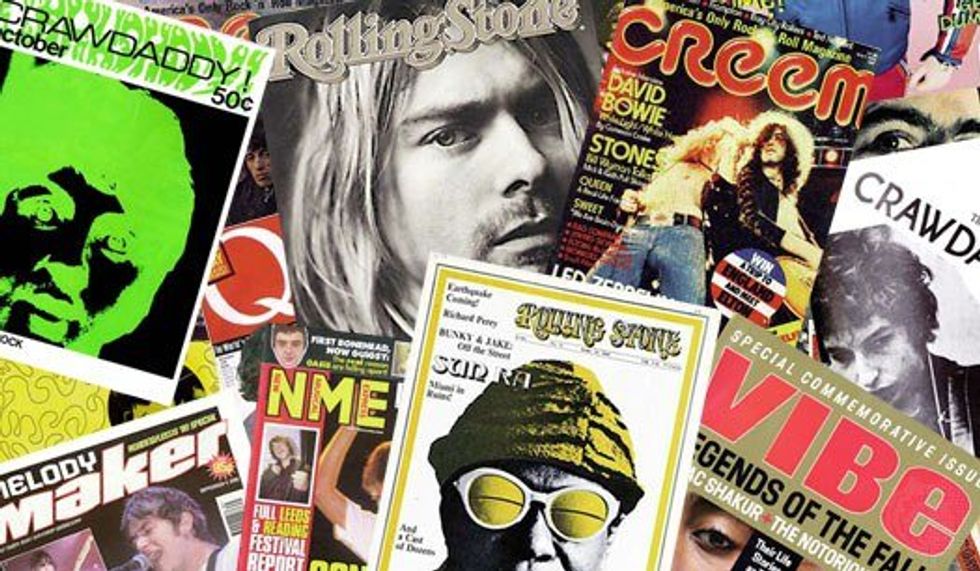
While I still follow the dreams of a wide-eyed eight-year-old girl who saw the movie Almost Famous and dreamed of writing for Rolling Stone when she grew up, I understand that music journalism is evolving, and it’s getting to the point where I need to immerse myself in the style of writing that I truly care about.
It’s time that all music journalists and critics realize they are a tiny part of the journalistic world, yet essential.