


“The book was better.” A phrase that has always bothered me as a lover of film and one you could count on hearing when walking out of the theater of the latest Harry Potter or Hunger Games movie. Often times, I’ll admit, I understand where fans are coming from considering some studios are overly eager to turn popular book series into the next major ticket selling film franchise rather than to take the time and translate the story and emotion to the screen. However, there are many films that more than compare to their black and white predecessor.
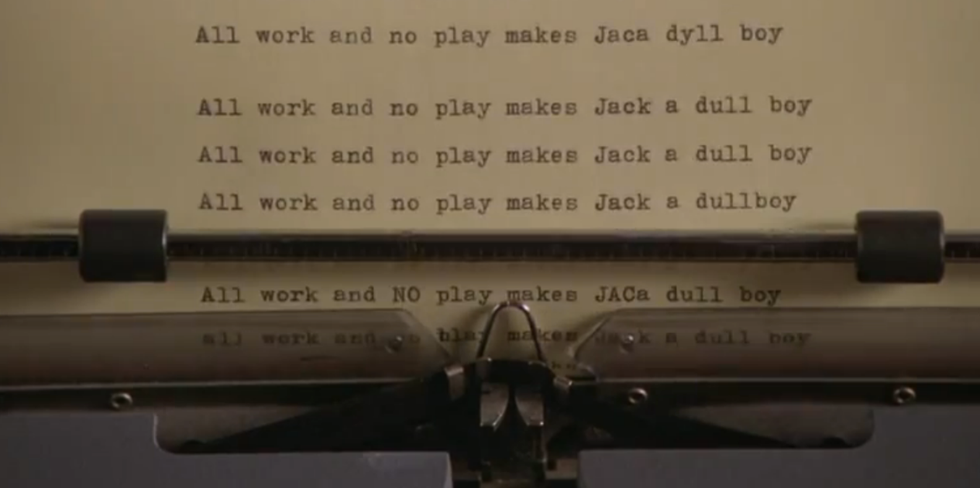
It seems to me, viewers sit and watch a film adaptation waiting to compare the events that transpire to the book when in reality the best way to tell a books story over film is not a scene by scene translation. Stanley Kubrick’s The Shinning is one of the greatest examples of a well translated story while embodying the art of film making. Even if you agree with Stephen King’s criticism of Kubrick’s creative liberties taken, then all I ask is you attempt to sit through the TV miniseries of the same name which King created in an attempt correct the changes. When moving something from paper to celluloid, there are creative sacrifices that must occur to better suit the story and the way it’s being told. These changes do not dilute the value or lessen the experience. In fact, sometimes a subversion of expectations can add to the experience with surprising twists. These changes take place due to the fact that books and movies are just two different forms of storytelling and two different forms of art. The experience and skills used by, say, a director and an author are not necessarily the same even though both are trying to tell a story. This is why I do not appreciate the comparison of film and novels. Even the script of a film is does not define the quality of a film; it is simply one aspect of the finished piece of work. With books or novels, an author uses words to cleverly piece together a story that will hold your attention and create new worlds. It’s the impressive thing about them. That simple black and white symbols on a page can translate into worlds full of color in your head. This is something film does not do. Film gives you the visuals. Some criticize film for that and argue that watching a film does not evoke your imagination. This couldn’t be further from the truth. The world in a film isn’t just what’s shown in the four corners of the screen. It’s often times what is off screen too. This is a technique horror film are experts at exploiting, especially in the days before CGI. Think of Se7en’s “What’s in the box?” scene. Avoiding any spoilers, I won’t say what was in the box but those who have seen the movie don’t actually know what’s in it because it wasn't shown to them at any point. They don’t even know because it’s ever explicitly told to the audience. Clues given through clever dialogue and film technique we are able to imagine what’s inside without seeing it making the horrifying realization all the more impressive.
The story itself may be similar but there is a monumental difference between film and novel in how that story is being told. This quote by Stephen King puts it into perspective - “Books and movies are like apples and oranges. They both are fruit, but taste completely different.”

















