
Keeping up with current events is a must in today’s changing world, in all topics including science and technology. As college students we’re expected to keep up to date with the fast-paced world, but that doesn’t mean we always have the time to do so. This past spring I was asked to research a current trending topic for my French class and give a presentation on it. I chose an article from the famous French newspaper "Le Monde" on the manipulation of human embryos. Reading about a field I’m interested in not only renewed my own passion and curiosity, but also made me realize the multiple perspectives held on certain subjects.
The article in "Le Monde" breached the sensitive topic modification of embryos, and, consequently, DNA, by explaining that last April a team of Chinese researchers had tried to use non-viable human embryos to treat a blood disease. Their research prompted multiple other projects to emerge concerning germ cells. Germ cells have the potential to develop into gametes; essentially, germ cells give birth to new life. The idea of modifying germ cells is tough to come around to anyways, but add in the fact that these are human germ cells, and there’s a whole world of questions. A lot of them ethical.
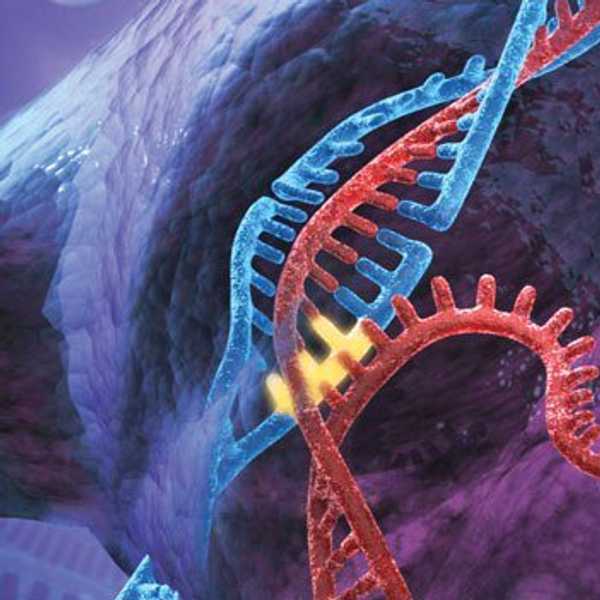
Although there are multiple ethical issues raised in response, a group of British geneticists this year went ahead and used a new genetic engineering technique called Crispr-Cas9 on developing embryos. Crispr-Cas9 is a genetic tool used to “edit” parts of a genetic sequence that can be implemented during the early stages of development of the embryo (the first day). The researcher’s intent was to determine if eliminating miscarriages and infertility in women would be a viable outcome of using the genetic tool. The chance to offer women a way to have fewer miscarriages in already tricky pregnancies would end further complications. Moreover a cure for infertility would give more women a chance to have children. However, at what cost
Reducing the number of complications in pregnancies is certainly good, but what about the effects on future generations of that offspring? And if infertility is cured what does that mean for adoption rates. There is a plethora of possibilities and reasons to use Crispr-Cas9, including treating diseases and changing basic characteristics of a person. This latter idea is what sparks most of the problems for using such genetic advances.
In 1975, a conference was held to discuss the “germ line” as it’s commonly referred to; that is changes made in one generation that are then passed onto future generations. It was thought that the idea of this happening was far off and a dream of sorts. In 1997, a European conference was held to discuss the same matter. It was ratified among most of the countries in attendance that there would a ban on genetics that manipulate the DNA of future generations. Now that the technology to do so is here, it begs the question: is it crossing a moral and ethical line to modify human DNA, even if it is to treat diseases? And if Crispr-Cas9 and other similar genetic tools become readily accessible, where does the modifications end?
It’s a cliché to say, only time will tell, but in this case the future is steadfastly approaching filled with promises of cure-alls and the like.