
Perhaps the least understood disease in today's world is not a physical ailment. Rather, it is an unseen disorder, an illness that haunts only those who have it. This sickness is any kind of mental disease. Because these disorders are quite complex and difficult to study, persons affected with them often feel isolated and alone. And this can lead to deadly consequences if not recognized and treated properly.
As someone who has a mental illness, I can safely say that I would not wish it on anyone. The first time I remember feeling abnormal was when I was five years old and I could not bring myself to step on the cracks in the sidewalk. I was afraid something would happen to my family if I did. When I was eight, I spent hours every day fiddling with the light switches in my house so they were all either up or down. I had to think "good thoughts" when I dressed myself in the morning, or else my loved ones would suffer harm. I wish I could explain what this means, but I cannot. I just knew at the time what was acceptable. Currently, after therapy, medication, and my relationship with Jesus Christ, I am doing much better. But I am one of the lucky ones.
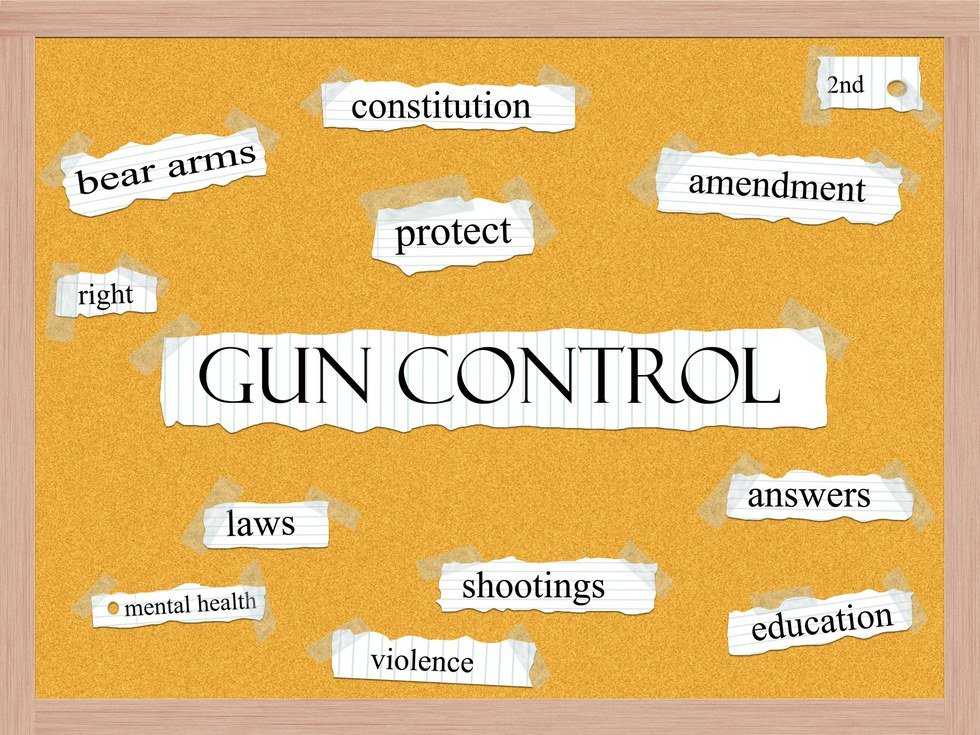
It is tragic whenever the wrong person is able to use a firearm to inflict pain and death on others. But a common theme in these disasters is the state of being in the shooter. The man who killed two movie watchers in Louisiana had a history of mental problems. The deadliest school shooter in history also suffered from anxiety and depression. So why are these people allowed to have guns? I venture to say that because mental illnesses are viewed as abnormal and weak, not enough persons seek treatment and help.
In low-income countries, experts say as many as 76 to 85 percent of serious cases go un-diagnosed, while an estimated 35 to 50 percent in developed countries go without help. Even though this ignorance of mental health is not obvious, it is prevalent. "Oh, that's so OCD of me!" someone will say casually, not realizing the effects this simple phrase has. "I'm so bipolar," is another phrase that I hear used far too commonly. As a survivor of a mental disease, I can testify first hand that this trivializes the movement for mental health. Individuals will hear these things and think that their struggles are unimportant or a laughing matter. And this is not okay. Instead of gun reform, our resources should first go to getting help for these people. If mental health was openly talked about, these individuals would seek treatment instead of violence.