


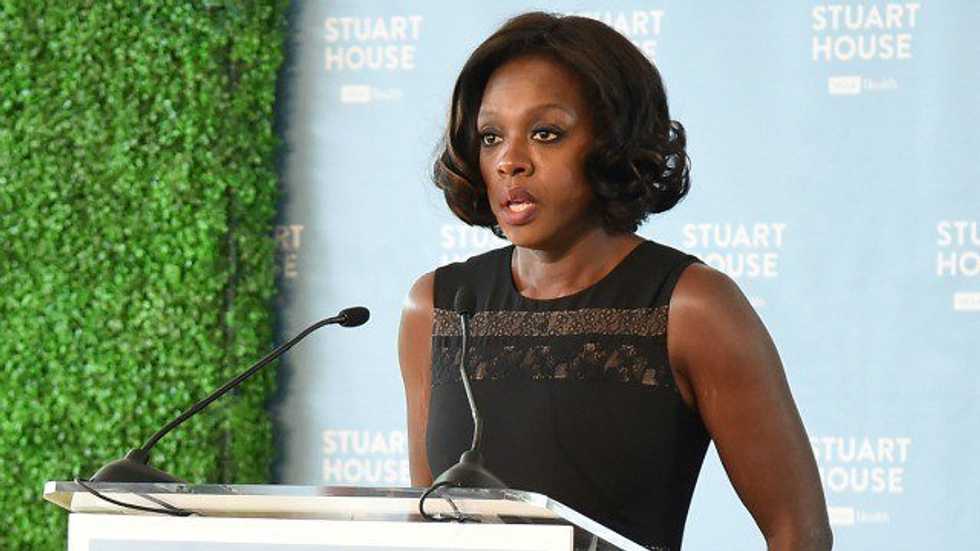
Viola Davis is many things: brilliant, complex, kind, humble, hilarious, outspoken. She is an actress, a mother, a wife, and an all-around impeccable human being.
One thing, you might not know her to be is an advocate, and a fierce one at that, for victims of sexual abuse. Davis has always been generous with the public in sharing her personal struggles with us. She's often sparked uncomfortable conversations about important social issues that relate to her life. It’s hard to forget her powerful speech for the Hunger Is campaign last year which revealed her childhood of poverty and shame in Rhode Island. Not a eye was dry at her poignant SAG award acceptance speech early this January in which she thanked her writing team on How to Get Away With Murder for “thinking that a sexualized, messy, mysterious woman could be a 49-year-old, dark-skinned African-American woman who looks like me.”
And lest we forget how mainstream media was set ablaze by her moving, history-making Emmy win this year which highlighted the racial inequality latent in Hollywood cinema and also gave way to the cutest Halloween costume humankind has ever seen. Davis is more than willing to bear her own scars to help those dealing with their own fresh wounds.
This past Tuesday at a dedication for the Stuart House Foundation (a non-profit for sexual assault victims) Viola bore yet another scar. This time, she discussed her sister's childhood experience with sexual assault.
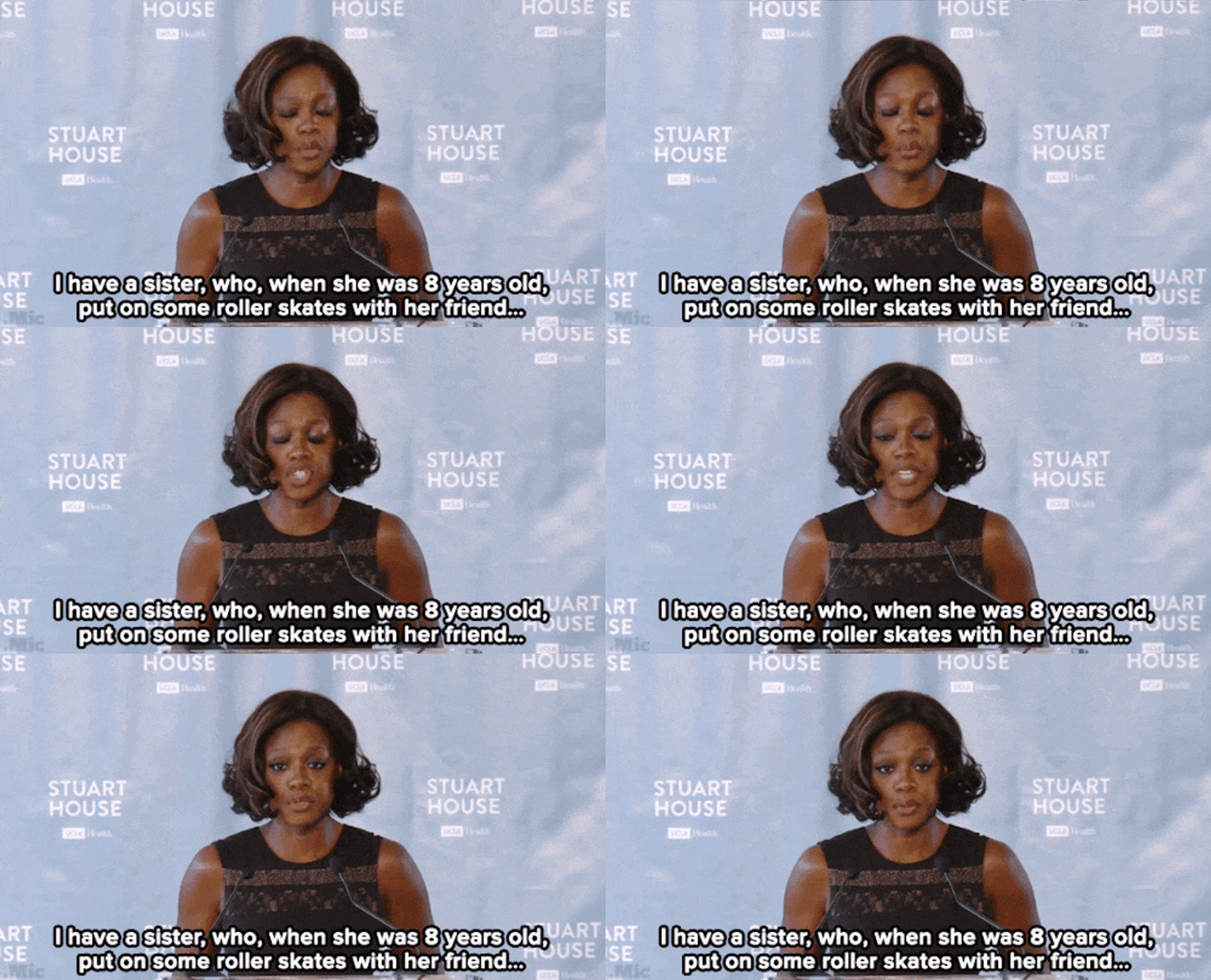
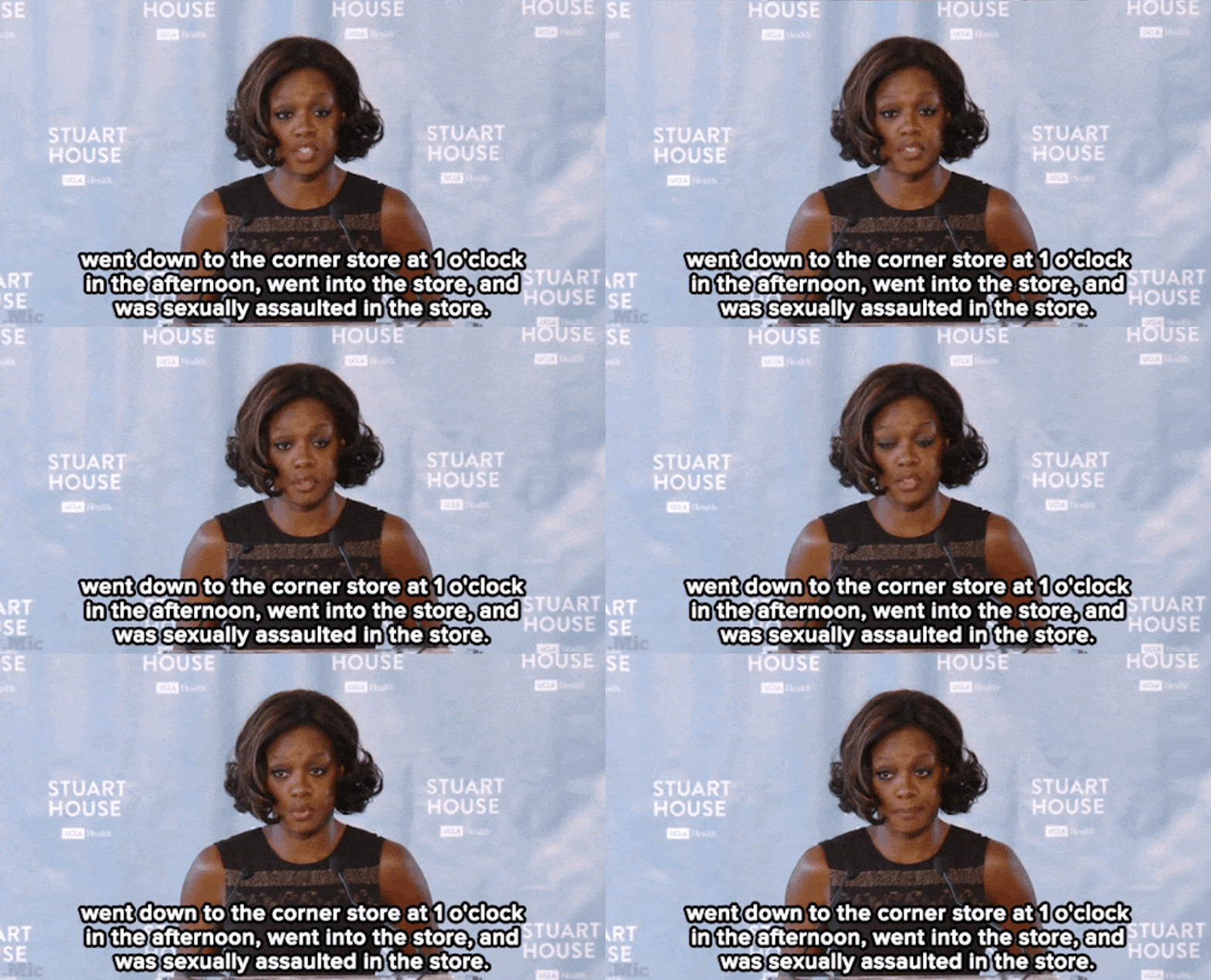
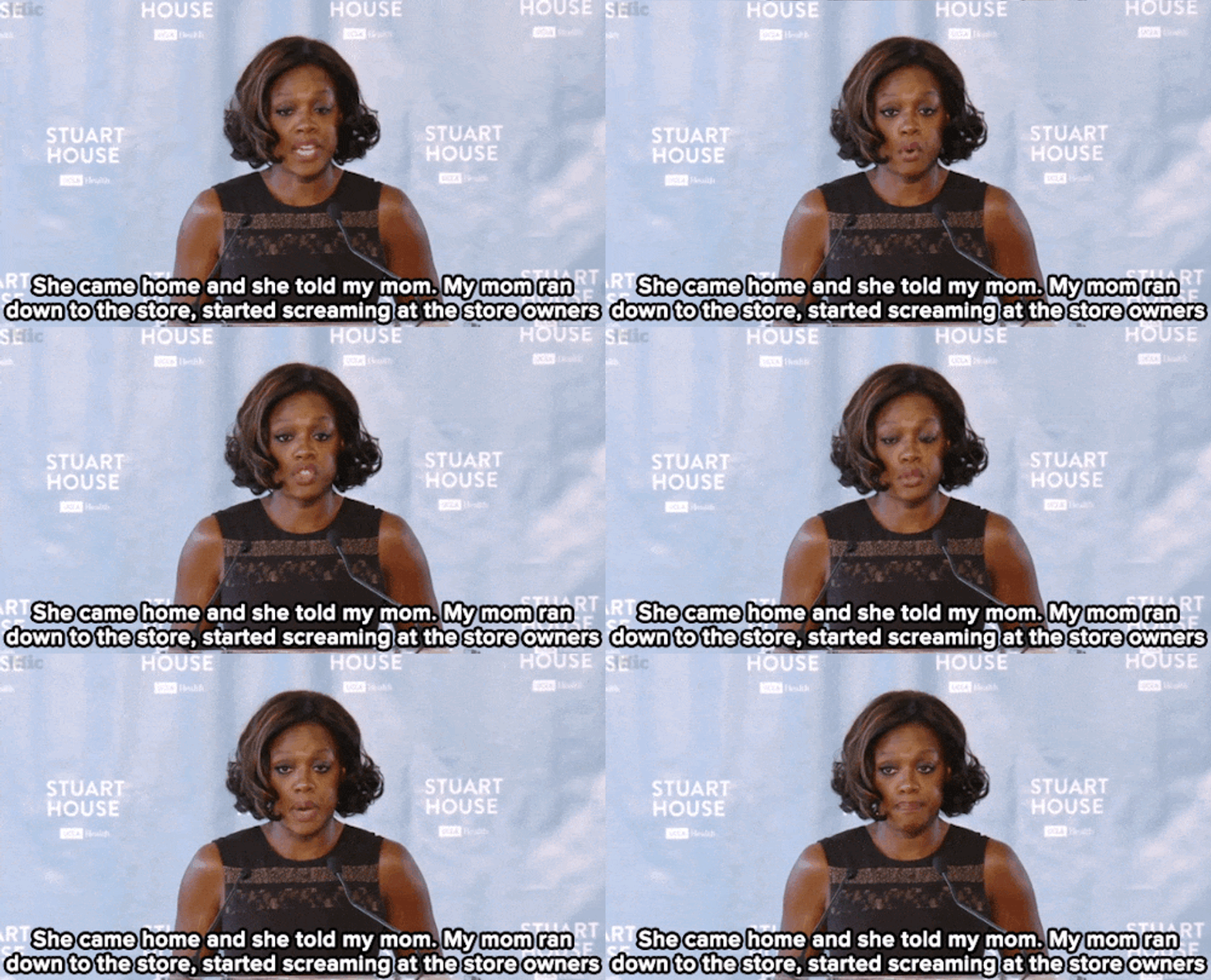
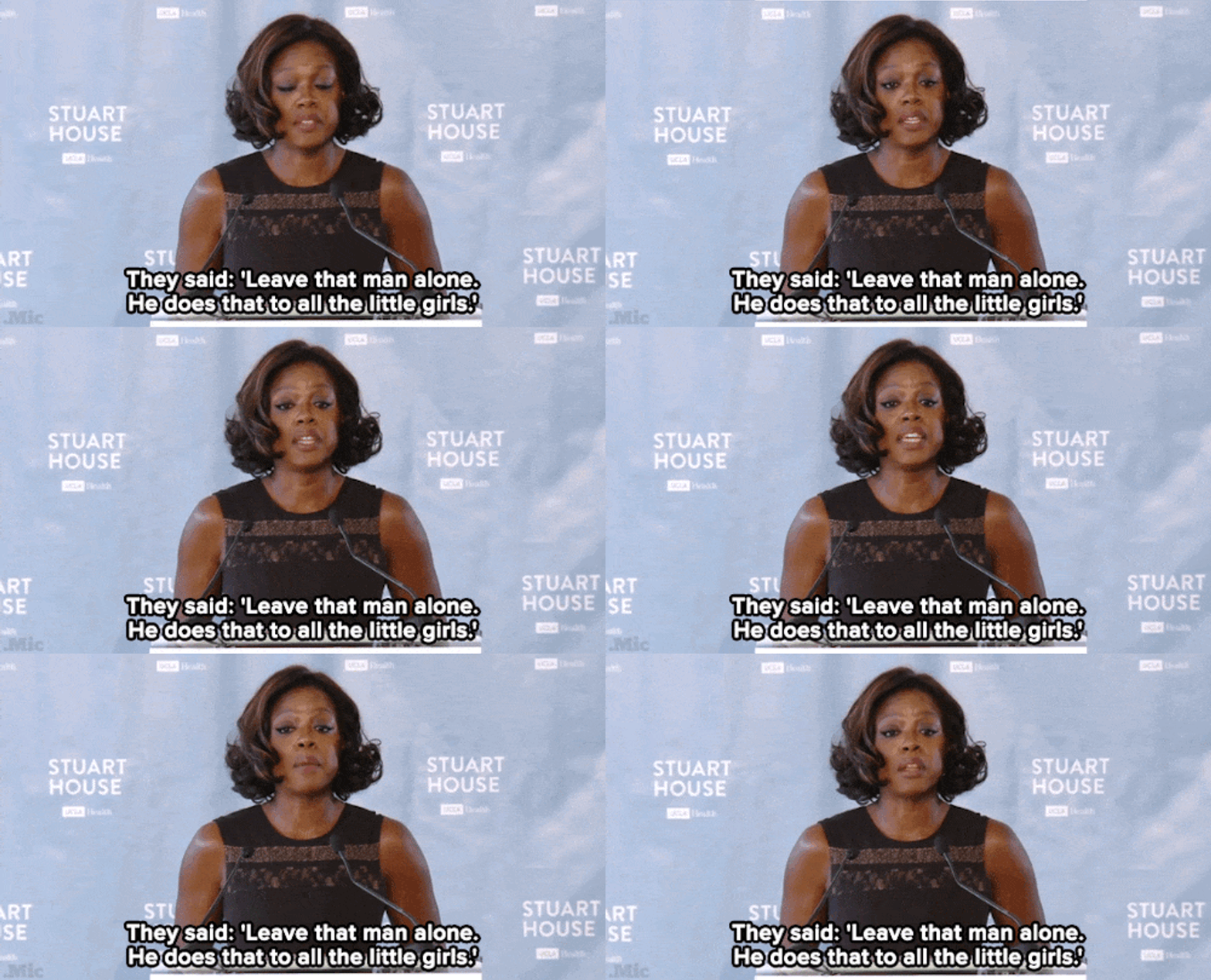
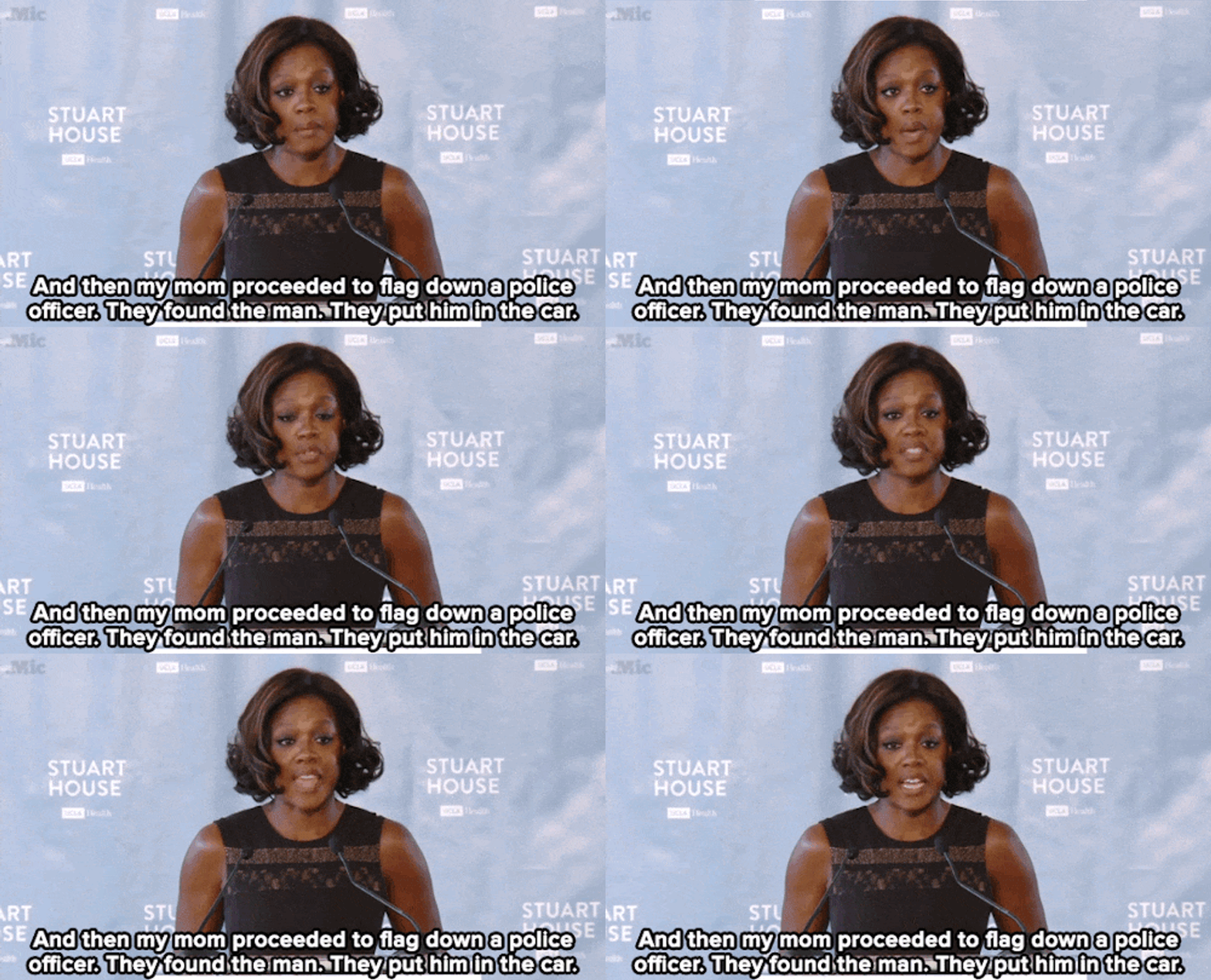
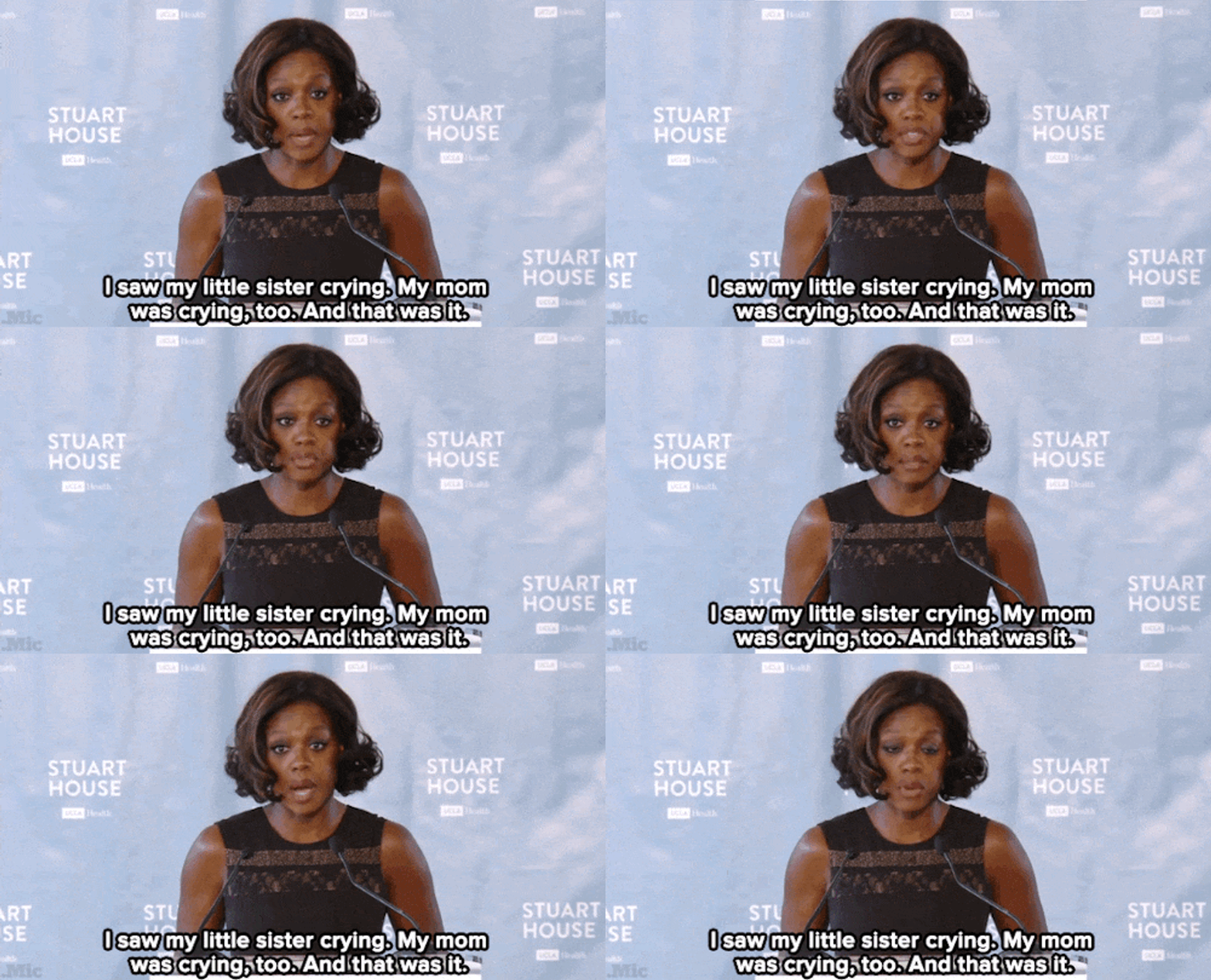
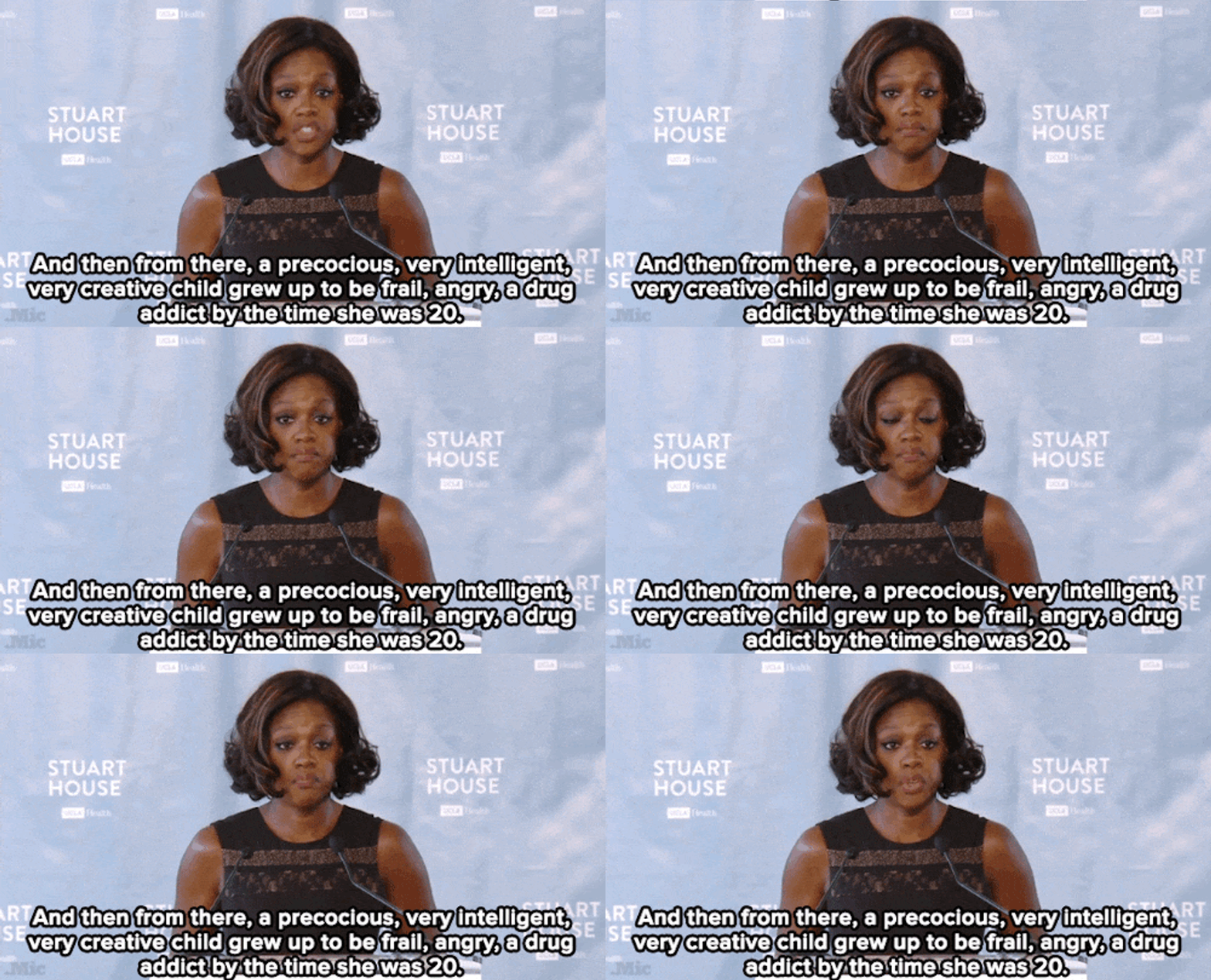
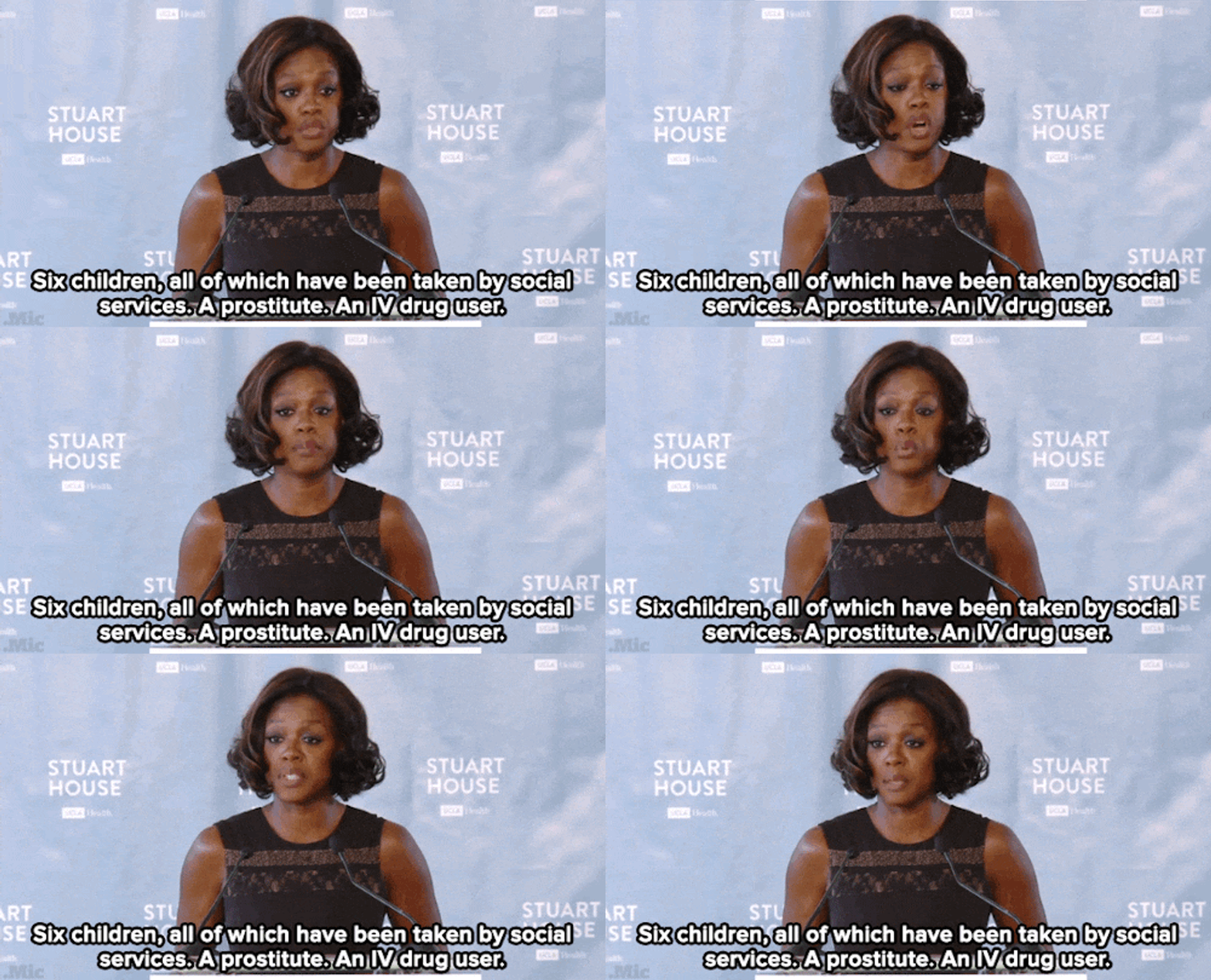
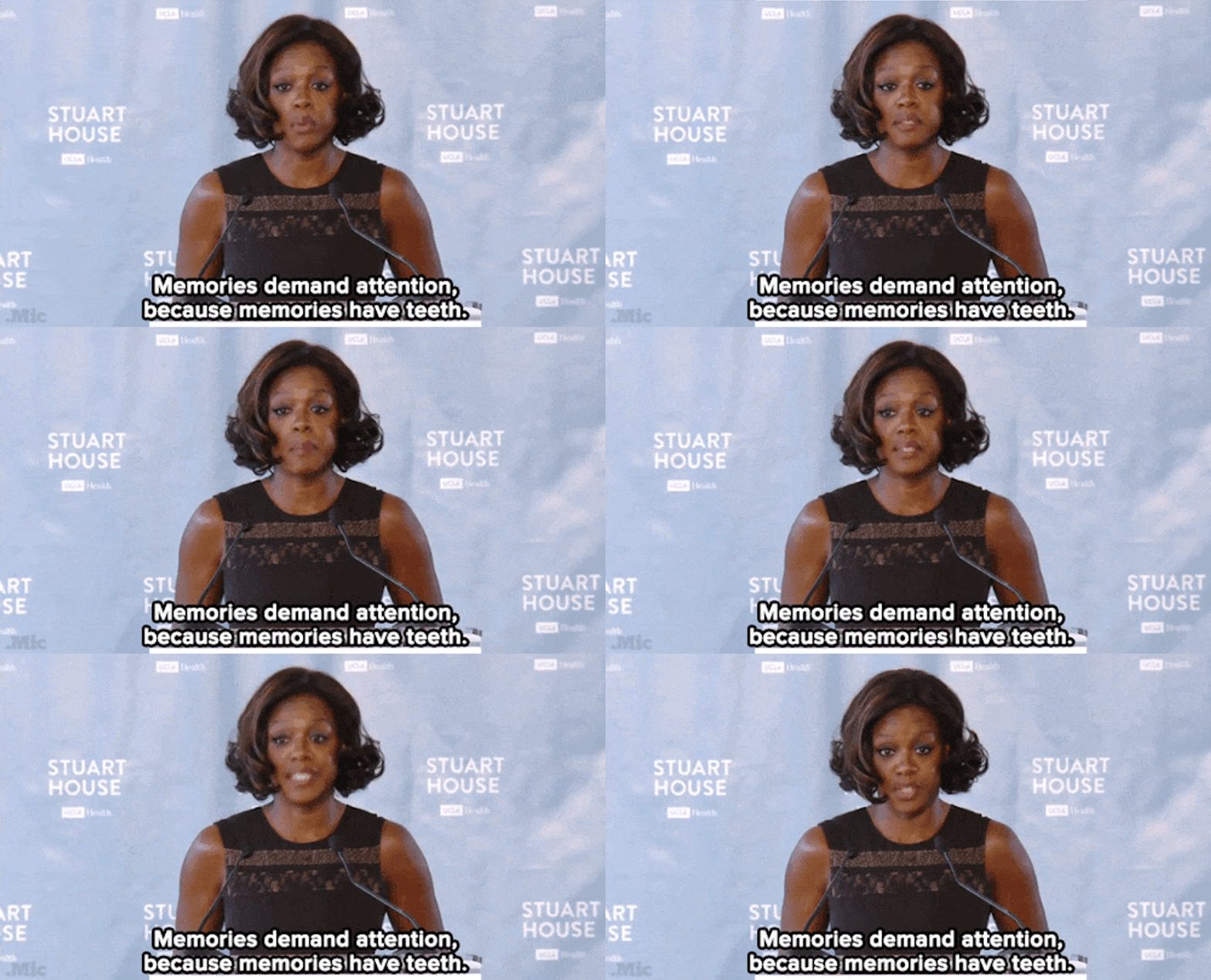
It’s a riveting testimony. Davis' voice cracks but remains steady as she confesses:
“If I had a fantasy, and I mean a fantasy, I would give [my sister] permission to speak. I would want her in an environment where people heard her. And I would want her to be angry… I wish she had the Stuart House to throw her a rope, because her whole life would have been different... I wish that I could tell my sister that she is not dirty. And that she should not feel any shame of something that she literally was not responsible for. I wish I could save her life.”
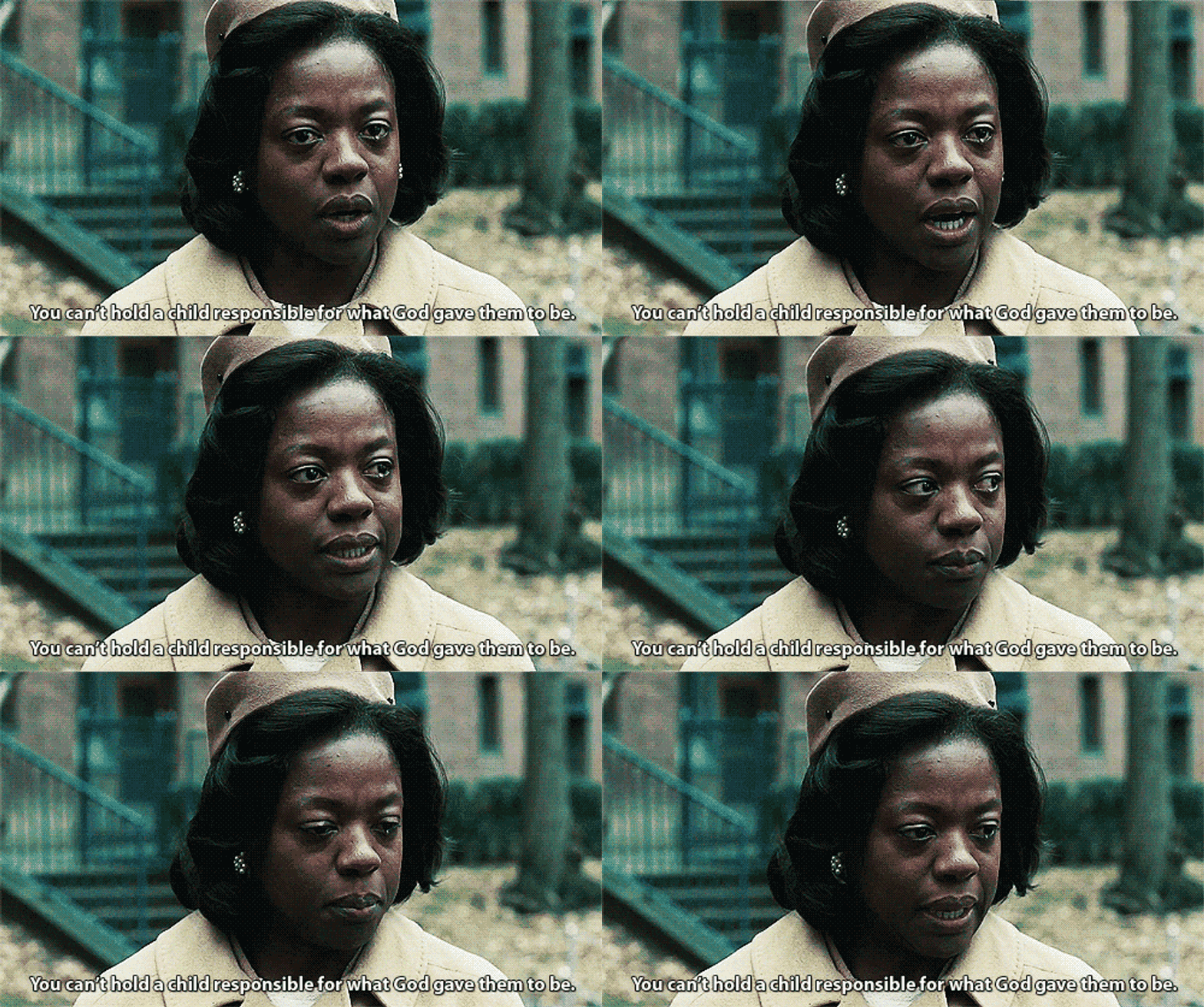
Though she may be unable to directly intervene in her sister's life, Viola is constantly manifesting this very fantasy on-screen. In the realm of cinema and television, Davis has often played complex characters whose lives were completely changed by the trauma of sexual assault. She gives her characters carte blanche to be angry, sad, indignant and most of all raw. Take for instance her Oscar-winning performance in Doubt as Mrs. Miller, a low-income Bronx mother in the early 60s. Miller is confronted with the harrowing reality that her (implicitly gay) young son could possibly be in a predatory relationship with a Catholic school priest. Understanding that a young queer boy such as her son has little chance elsewhere (he is bullied in public schools and "his father don't like 'em"), she resigns to the situation by uttering “then let [the priest] have him!” to Sister Aloysius, played by Meryl Streep. When you can steal the scene from a veteran like Meryl Streep, you know you’re in a class of your own. With this brief but soul-shattering performance, Davis helps create arguably one of the best movie scenes ever shot.
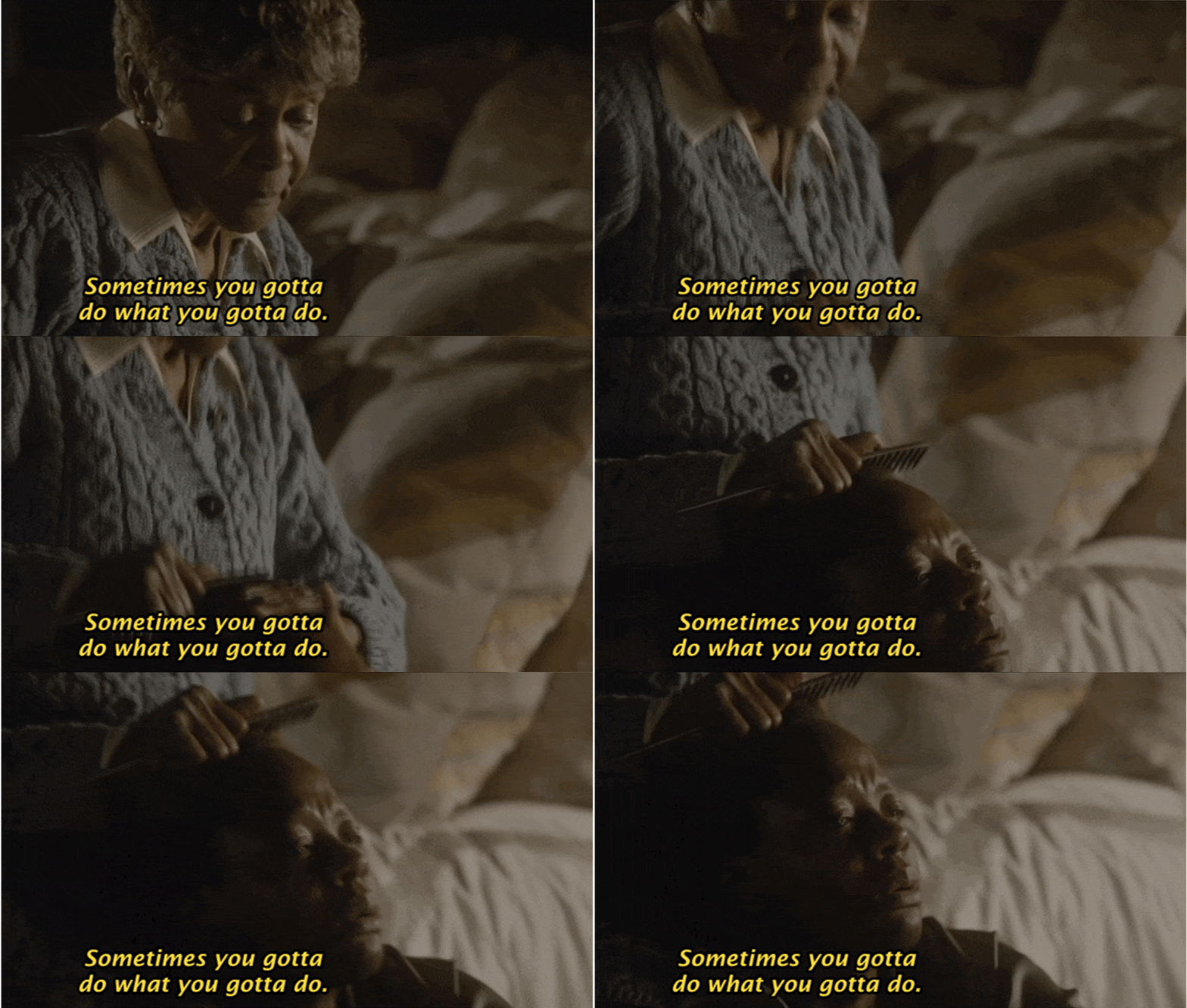
In her current role on the critically acclaimed ABC show How to Get Away With Murder, Davis plays Annalise Keating, an emotionally complex and flawed lawyer with plenty of baggage. A pivotal episode in Season 1 features a guest appearance from the powerhouse, legendary, brilliant actress extraordinaire that is Cicely Tyson as Annalise’s mother. The two clash throughout the episode over resentment Annalise holds due to *SPOILER ALERT* her mother's refusal to acknowledge her childhood rape.
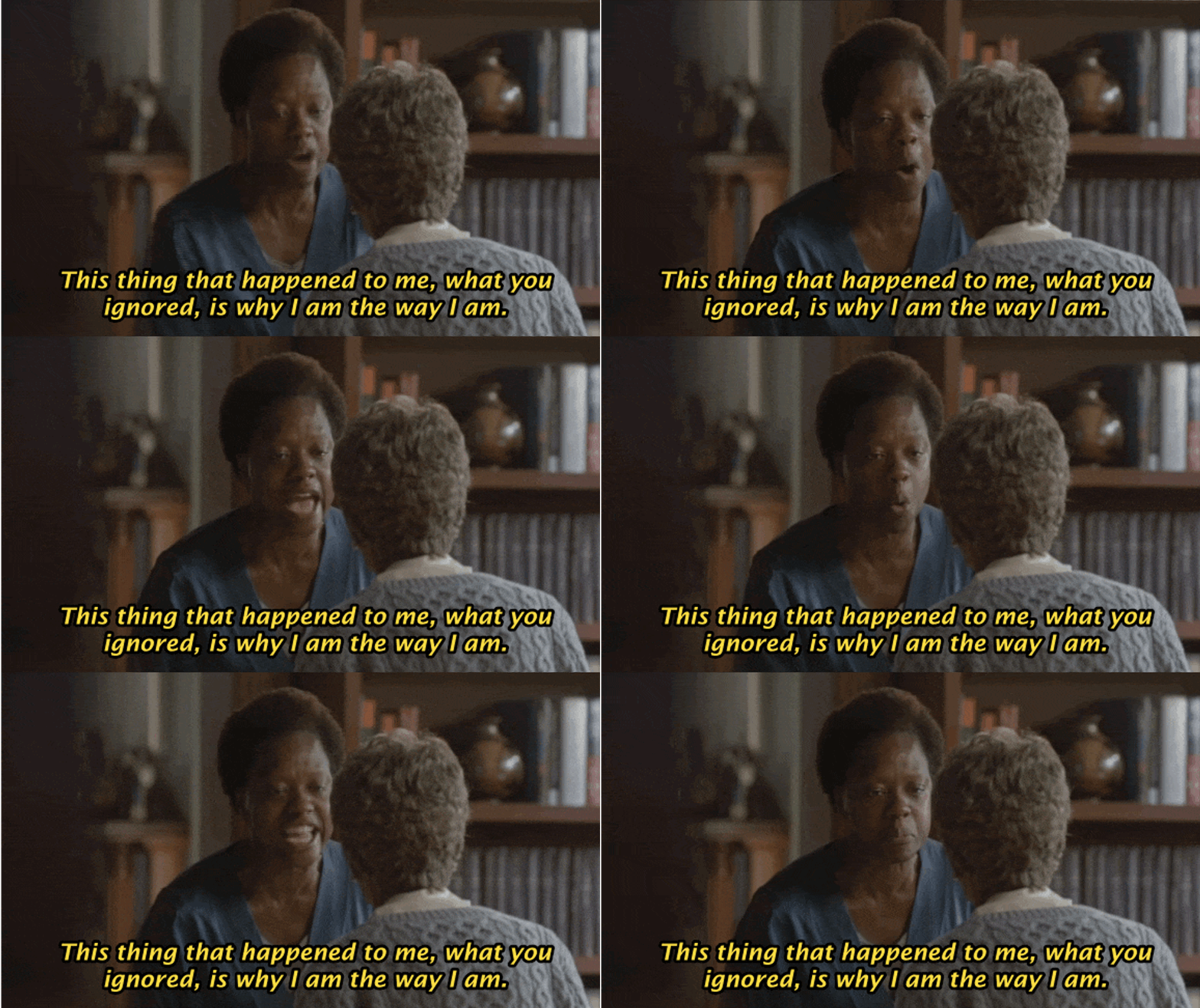
Their relationship seems irreparable until her mother subtly reveals near the episode's end *SPOILER ALERT* that she murdered Annalise’s uncle for violating her. It is a shocking revelation and one that sits with you long after the episode ends.
 As an actor, it is important to be empathetic of other people's pain. A true portrayal of a character requires one to dig deep inside themselves and untether the demons that are harbored within. Amazing actors like Viola Davis go above and beyond the mere mechanics of reproducing pain on-screen for entertainment. Davis, in fact, uses her skills to change lives. It's a mutual catharsis between her and the viewer. She provides a voice for victims like her sister who never got the chance to speak for themselves. As a decent human being, it’s the least she can do. In the words of her character Gail Friedman in Trust:
“People get hurt. The only thing we can do is we can be there for each other when we do fall down to pick each other up.”

















