Another terror attack. Another one. This time in Istanbul, Turkey. It seems that the world is full of them these days. Shootings, bombings, deaths, injuries. As a global culture, and especially here in the U.S., we're quickly becoming desensitized to it all. To acts of mass violence.
But how is the media talking about this one?
We're gettting some of the usual details: the number of people who've died (43, according to CNN) and the approximate count of those who have been injured (which is currently 239). The facts of exactly what happened are also slowly being teased out, with mentions of video footage, the progression of events, and who is to blame. There is a lot of discussion on possible ties to ISIS, though no group has technically claimed responsibility yet.
Let's take a step back for a second. Whether we realize it or not, whether we comb through updates every morning or believe that we pay no attention to the news or world events, the media does have a huge impact on how we view the world and its communities. Considered a "social institution" by sociologists, this means that mass media is one of the multiple mechanisms of society that form our individual and group ideas about literally everything. Translation: you may not think the media influences you, but it does.
For years, especially since 9/11, American media has been complicit in fostering mass Islamophobia, opting to tell only stories that slander Muslims, Arabics (yes, those two can be separate things), and the Middle East. Though mass media as a whole has problems with telling stories that tend to be negative and sensationalist, it has painted a very specific picture of the Middle East and everyone who lives there: hopelessly war-torn, violent, practically medieval, and valueless.
That picture continues to affect how the Middle East is viewed and reported on, including the most recent attacks in Istanbul. Previously, it would have been likely that those of us in the Western world might not have even heard much about the bombings beyond a small blip on national news. Passed over dismissively as another example of a region riddled with violence. This time, we are paying attention.
What changed?
Paris. Belgium. Orlando. This latest attack comes on the heels of several others that have forced us to stop and feel, this is too much. This is everywhere. It comes on the heels of these other tragedies that have illicited massive global support, in person and online. It comes on the heels of internet communities crying out and asking, "Why do we mourn for the Parisians, the Belgians, the Floridians, but not the Syrians? the Iraqis? the Afghanis?"
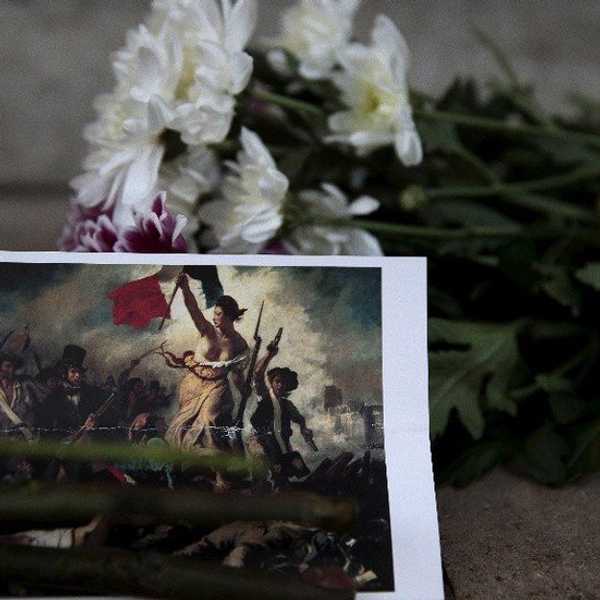
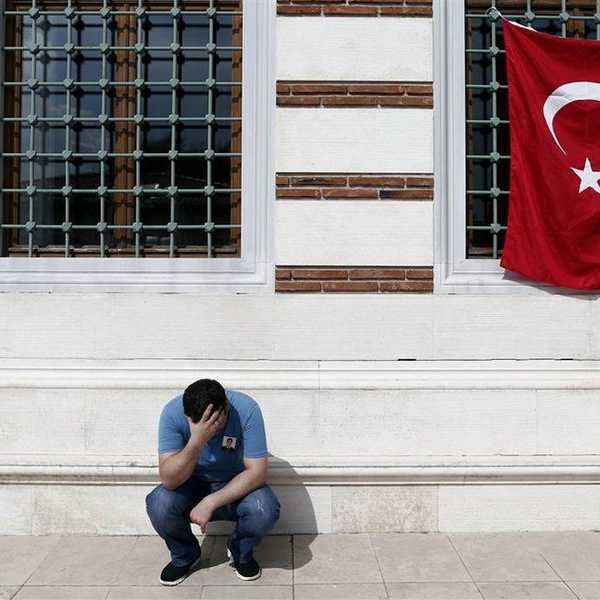
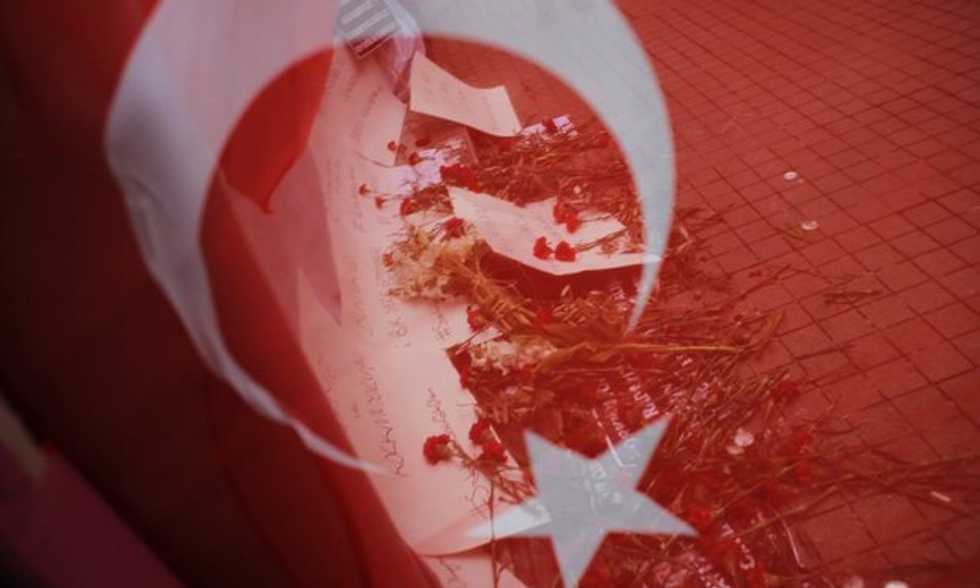
An article by Global Citizen is showing that this time around, social media is not just paying attention, it is also paying its respects. Twitter and Instagram users are showing support, offering prayers, and fervently wishing for peace.
Yet news headlines stick largely to using language like "attack" and "bombings," words that superficially appear to be neutral, but may not be. Factually, yes, there was an attack, and bombs were involved. This was an act of violence. But our televisions, our computers, and our phones have not exploded with round-the-clock coverage, nor have they bled with sympathy. People are paying attention, and even caring.
But not everyone.