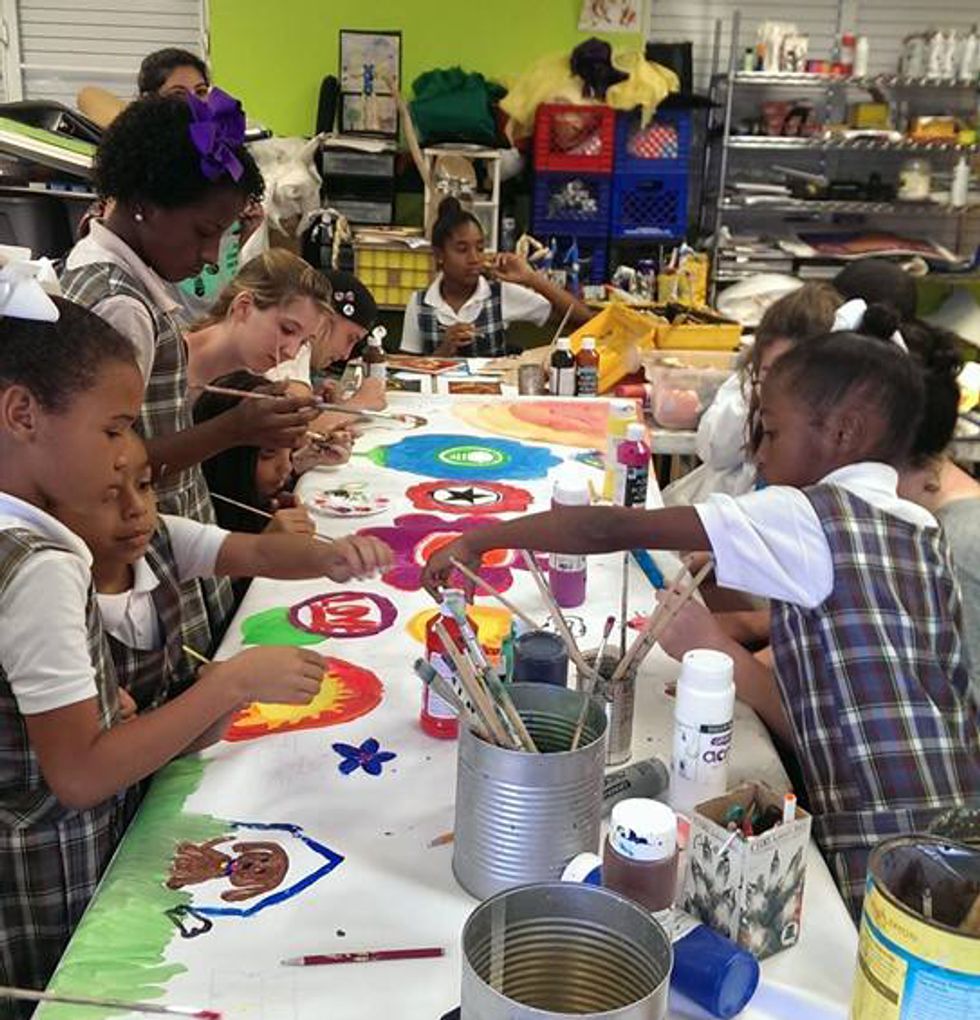


It is common for people to go through life selfishly, only looking out for themselves and getting what they want at all times. Many of us are capable, able minded, and able-bodied people, who despite this, choose not to help others who are not as fortunate. From volunteering and doing community service on many different facets, I have learned that life is about service. Living to help others has allowed me to meet some of the most generous people, see the most beautiful parts of the world, and most importantly, put me on the path to becoming a small piece of this larger community. However, I could not help others without the mantras that I live by. Here are some of them, in no particular order.
1. You don’t need to understand exactly what someone is going through to help them.
It is easy for us to pass judgment on others. I can not even count the amount of times I have rolled my eyes at someone who has asked the tired, arrogant question, “Why can't that poor person just get a job?” For that matter, I am a sick of hearing people boast about how their parents came to this country from nothing, “If they can “make it, why can't everyone else?” I wish more people would put their presumptions and hateful comments aside long enough to realize that others' unfortunate predicaments will not be helped with such a snide and dismissive attitude. Someone's pain is not about you, it’s about helping them any way you can. Instead of saying, “If I was in this situation…” realize that it does not matter if you have the ability to empathize. It only matters what actions you are taking to help.
2. A grain of rice will go a long way.
Every year for the past three years that I have been a student at the Pratt Institute, I have participated in Alternative Spring Break. An opportunity to work with my peers tackling issues such as homelessness, hunger, pollution, and more, I always look forward to this one week a year I could do service outside of NY. This past year, we traveled to San Francisco, California, whose individuals counted in the 2013 general street count and shelter count was 6,436. Every Alternative Spring Break makes me wiser, which consequently makes my next service endeavor so much more worthwhile. On the Wednesday of ASB 2015, we packed bags of rice at the local food bank, SF-Marin Food Bank. Tedious is an understatement to describe what it was like standing in an assembly line, measuring rice, pushing it along so that it could be put it into plastic bags, to be weighed, then to be sealed, and then finally packed in boxes. Hours and hours went by of this. And all the while, I felt like I was not making much of a difference. What would a few cups of rice matter to those who are constantly feeling the disabling pangs of hunger as they go throughout their day?
After a long day with my fellow Pratt students, as well as volunteers from the area, we gathered in one of the large rooms of the food bank. The supervisor of volunteers spoke to us about how much we had accomplished. He announced that we had packed hundreds of boxes, containing thousands of bags of rice, meaning we had all worked together to feed over a thousand people that day. Although it was unclear to me throughout the day, I know new how important a grain of rice was, and how it can go a long way.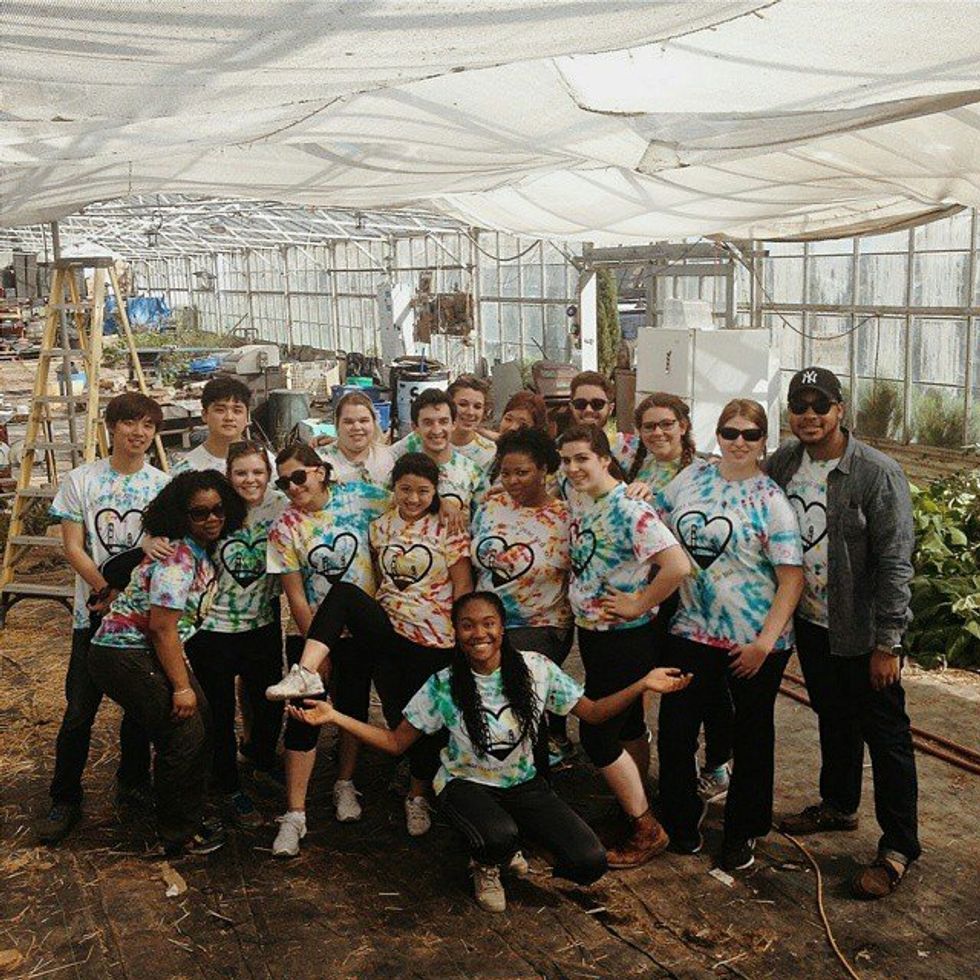
3. Don’t treat others like a quick, easy fix.
Our society has become accustomed to quick, permanent solutions for everything. If the engine of your car is not working, we take it to the mechanic. If your phone’s screen is broken, we get a new one. We even want to speed up our food consumption, which has popularized fast food chains across the country. So, it is no surprise that we want “quick fixes” for other humans. Doing this is unrealistic, at times prejudice, but serves of zero help to our most needy members of society. In fact, expecting to perfect someone is often harmful.
When one is helping others, the goal is not to fix them. In no way do we have the authority to justly expect anyone to live up to our standards of perfection. When volunteering, one should aim to help push someone along on their way. This does not just have to be applied to an individual, but to helping a community as a whole. This is called a “bottom up approach,” and means assessing what those in the community want first. Instead of trying to volunteer with a “top down approach” mentality, keep an open mind, and assist people in a way that you are not replacing others customs with your own.
4. Do all you can, the best you can, as often as you can.
This last one may seem pretty self-explanatory. However, it is a mantra I say to myself almost on a daily basis. It is to remind myself that whatever I am doing can be done that much better. That my free time, although I have very little of it, is a luxury compared to how hard others have to work. And that although I have achieved a lot, there are others whose social circumstances are the only things that hold them back, so therefore they have to work so much harder. To waste what I have and not give to others is a sin, in the worst possible way. I once lived with a “me” mentality, therefore only being open to see what pertained to me. Community service has truly been the joy of my life and has helped me shift to a “we” mentality, doing more good for the larger community.