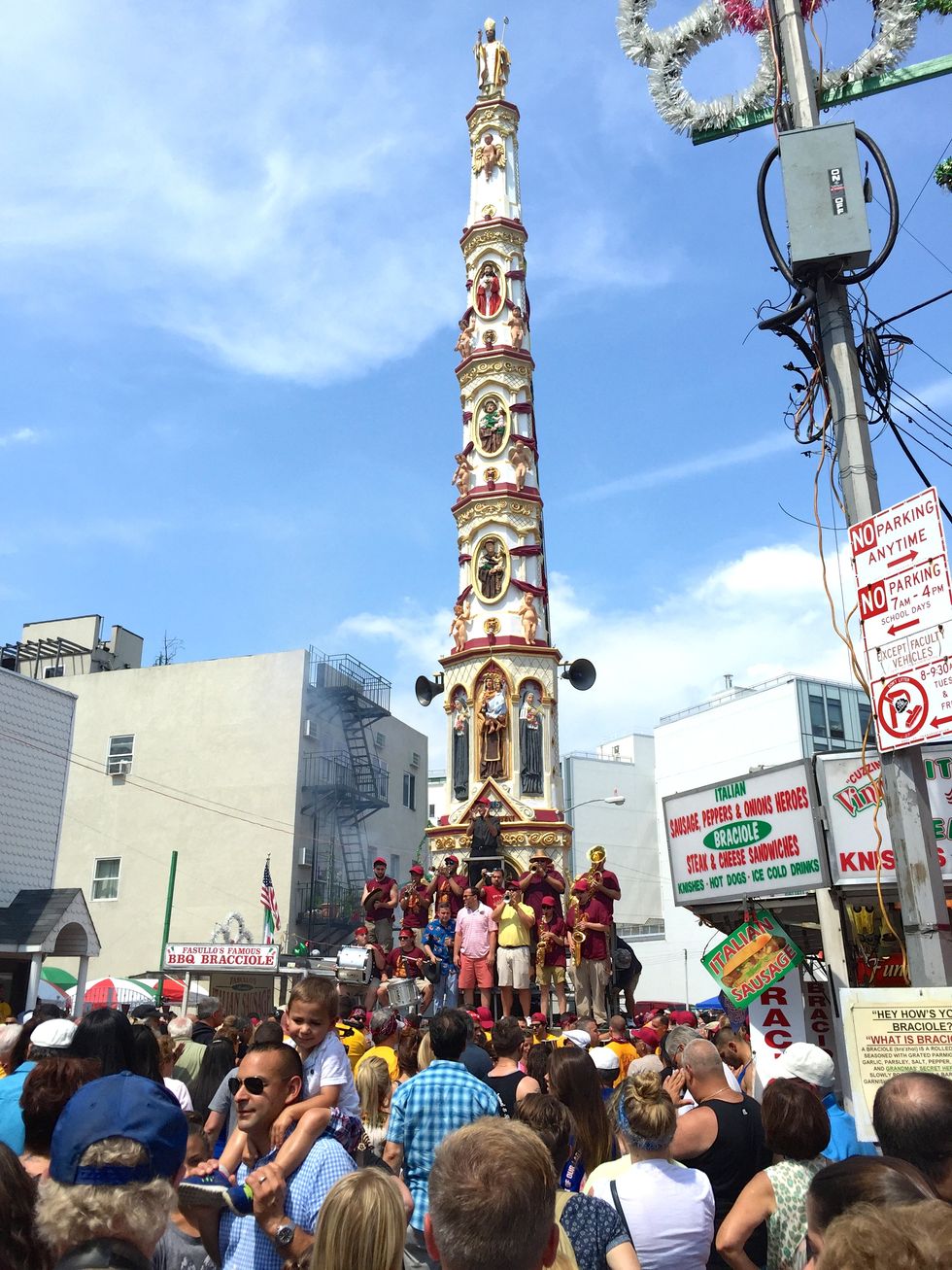
You may have grown up with a set of beliefs, values and traditions based upon cultural influences. Perhaps you celebrate a certain holiday every year, eat food that is specific to a particular country or speak the language of your ancestors. Regardless of the details, these unique cultural characteristics have helped define whom you are as an individual. Growing up with an Italian-American father, I learned how to make gravy before I was within eye level of the stove, and accept the fact that my house would reek of fish due to the Christmas Eve Seven Fish Tradition, or la Festa dei Sette Pesci. Even more so, I quickly began to look forward to every July when la Festa Dei Gigli, the Festival of Lilies, took place in my paternal family's old neighborhood: Williamsburg, Brooklyn.
In brevity, the feast commemorates San Paolino, a bishop from Nola, Italy, who sacrificed his life for a Nolani boy when North African pirates attempted to capture him. In time, San Paolino was returned by a Turkish sultan who admired his sacrifice. In response to the bishop's return, the Nolani people celebrated by carrying lilies, or gigli, as an expression of their gratefulness and jubilance. The celebration still takes place in Nola; yet, when many people from that Italian city voyaged to America, a great amount settled in Brooklyn and began to celebrate the same festival there. Today, a large structure called the Giglio is carried on the shoulders of many men who dance it down the Williamsburg streets. Why exactly do I look forward to that particular celebration? The reason is that it has influenced the Italian-American culture for many, including myself. Here are five ways that it does just that:
1. Emphasis on family/community
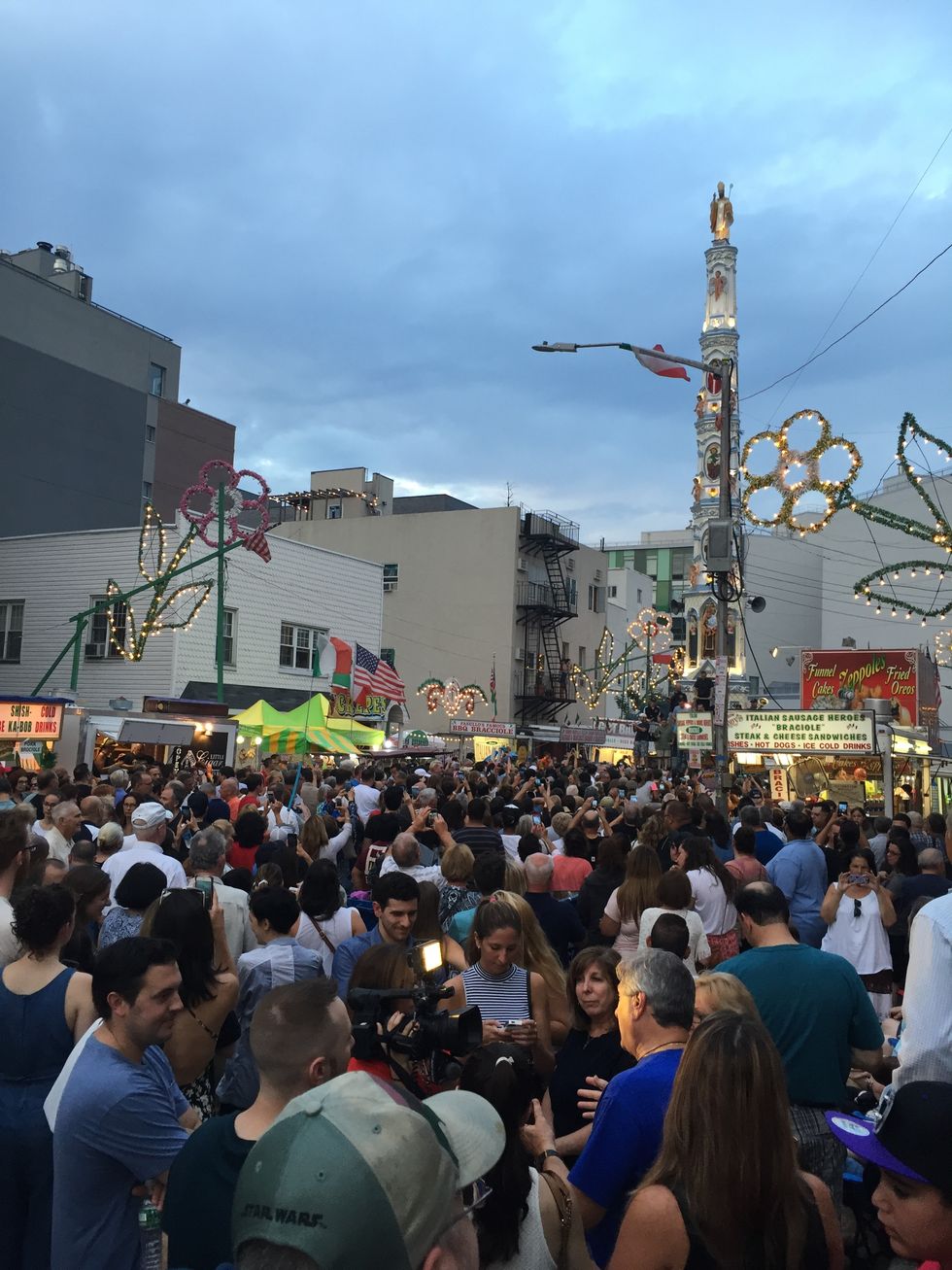
The Feast always seems to occur on the hottest days of the summer, and yet everyone laughs and communicates with wide smiles and happy hearts. There are often large crowds, yet the lack of space represents how many people love to be there, as well as the cultural and familial bonds that exist. Many people grew up attending the festival, and it has left an impression on their hearts. Afterwards, many get together and continue the celebration.
2. Expression of pride
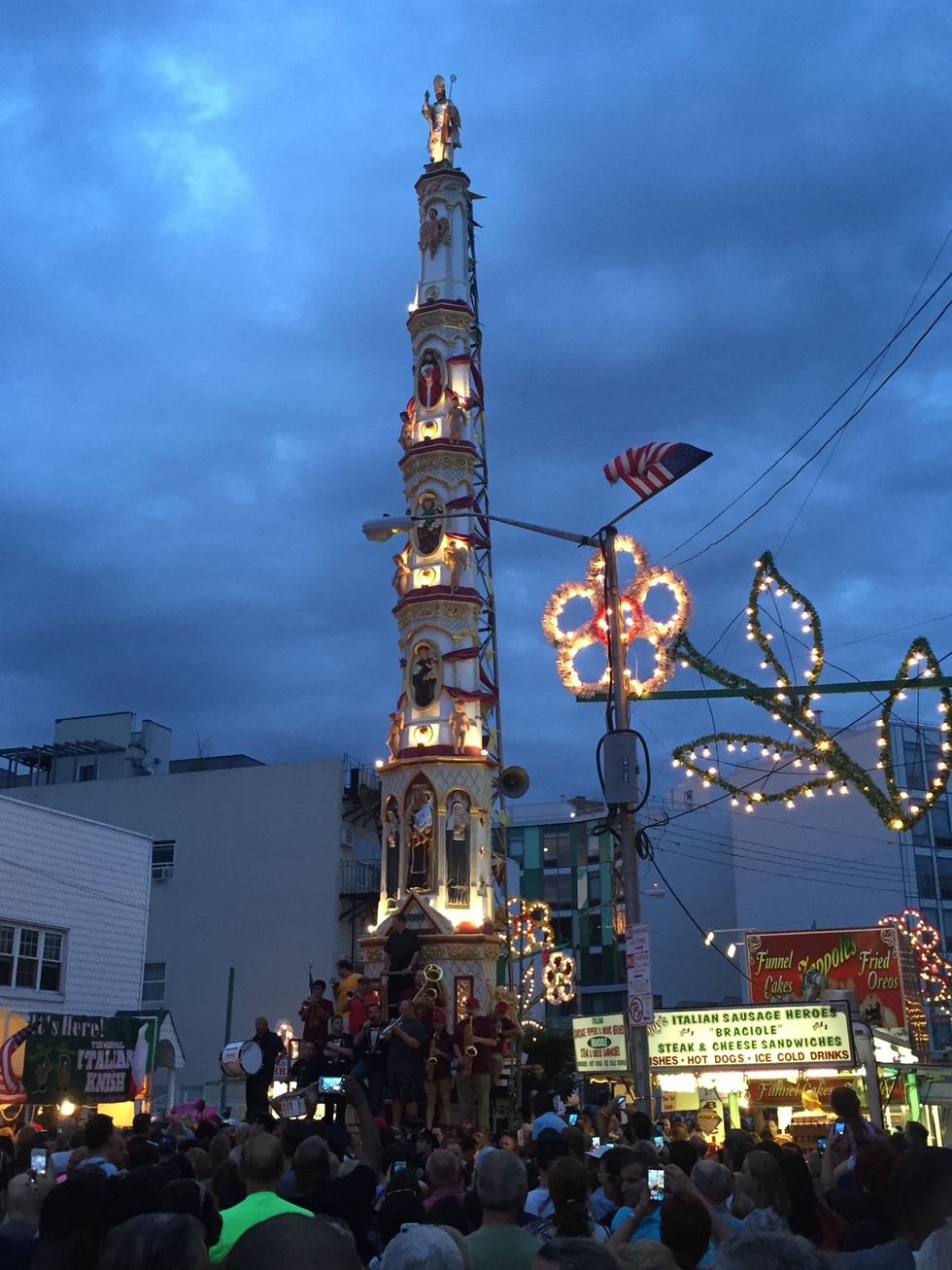
If you walk down the Brooklyn streets, you can smell the sizzling sweet sausage and pepper sandwiches, notice the large, flowing Italian flags, and purchase just about any symbolic trinket. Many feel proud of their heritage, their families and who they are.
3. Religious significance
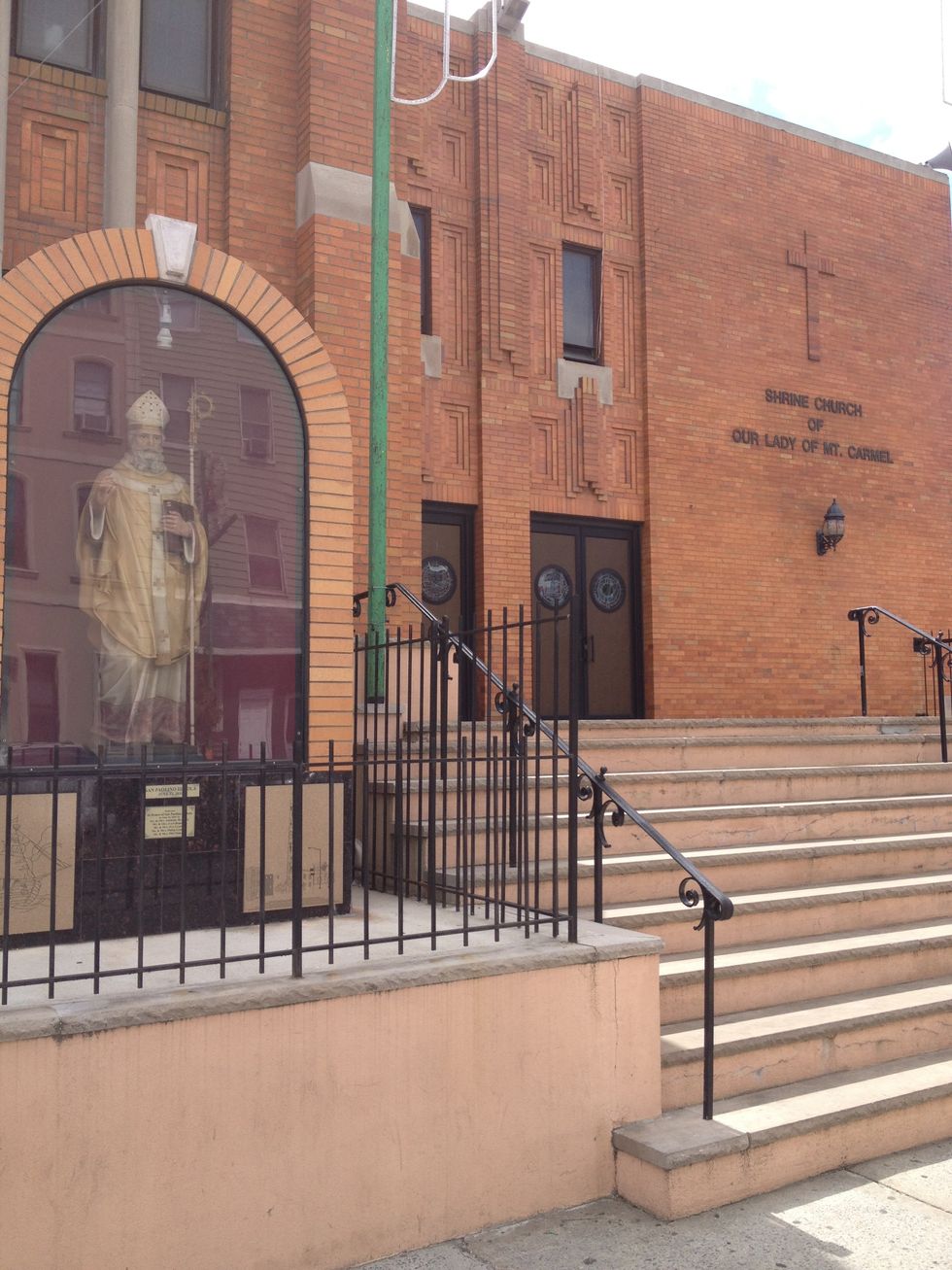
This Feast originated upon the actions of faith, sacrifice and love. Regardless of anyone's religious beliefs, these actions demonstrate a truly noble and inspirational act. In fact, the Feast takes place on the streets of the Church of Our Lady of Mount Carmel.
4. Importance of tradition
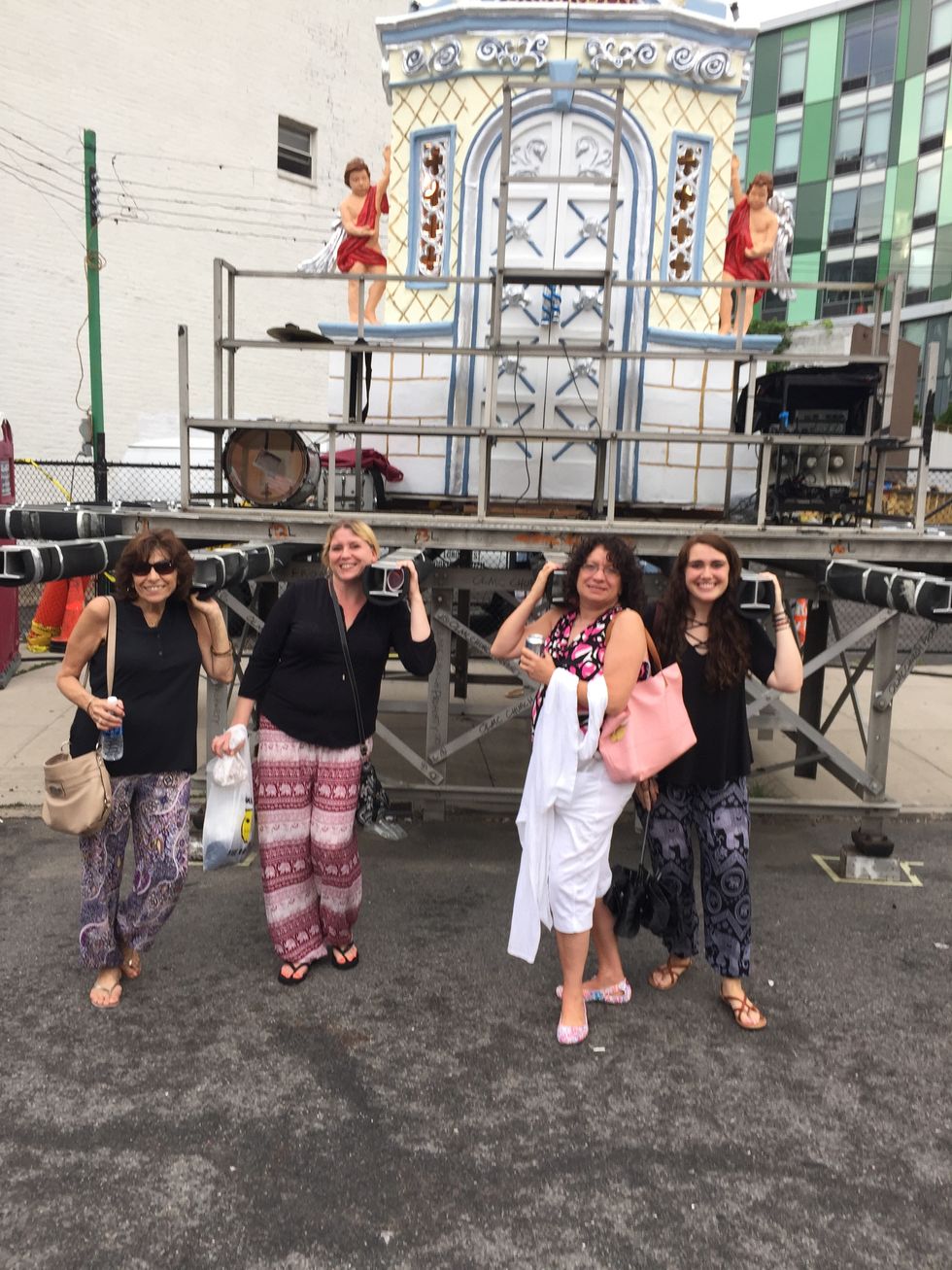
La Festa Dei Gigli can serve as a paradigm for the importance and enjoyment of sustaining tradition. It shows that great love, gathering and meaning can stem from a practice. My family and I ensure to attend every year, just like many other families there.
5. Desire to learn more
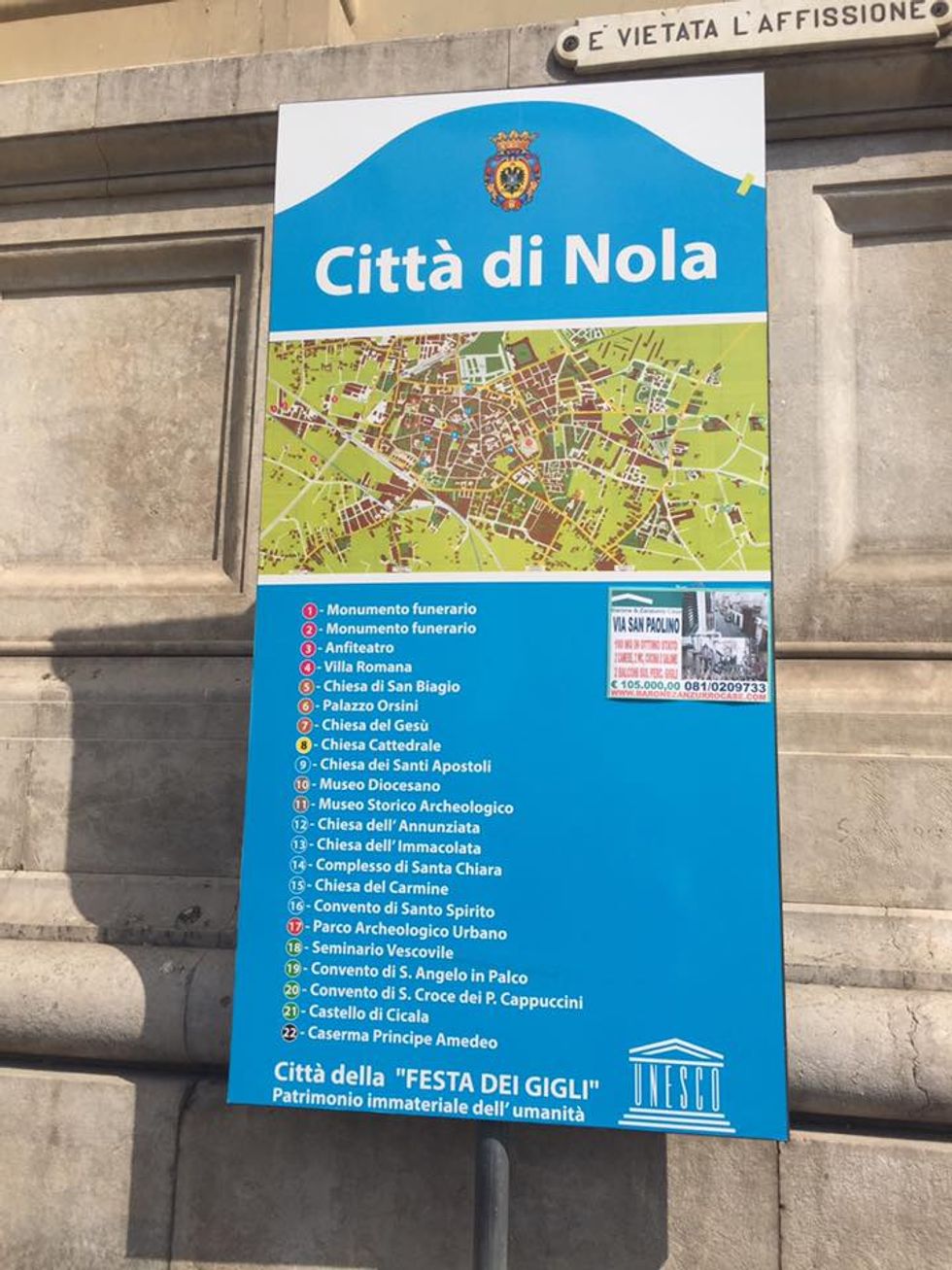
Personally, the annual celebration of the festival has left me yearning to know more about its history as well as my ancestors' history. Luckily, while studying abroad in Florence, Italy, I was able to travel to Napoli, where my family is from, as well as Nola, origin of the Feast. It was a surreal and exciting trip, one I would most likely not have journeyed if it were not for La Festa dei Gigli.
If you would like to know more about the Feast, or perhaps attend this summer, check out the main website for more details. The celebration has already started and it continues until July 16, the feast day of Our Lady of Mount Carmel.