

Over the course of the last year, the true crime genre has become one of the most popular in the media. First there was "Serial," an NPR podcast about the 1999 murder of Hae Min Lee and the incarceration of Adnan Syed. The podcast essentially took over the Internet and turned each listener into a detective at home. The show pointed out the flaws in the state's case and developed a case for Syed's innocence. Since the first season of "Serial," the Maryland Court of Special Appeals has granted Syed's application for appeal.
Later in 2015, HBO released a true-crime documentary, "The Jinx." The show followed the string of alleged murders millionaire Robert Durst committed over the last thirty plus years (taking place in '82, '00, and '01). The show was a hit, and effectively captured the attention of the public leading to the arrest of Durst.

With "Serial" and "The Jinx," it has become clear that new media can at times be more effective than law enforcement. New evidence was uncovered in both shows that
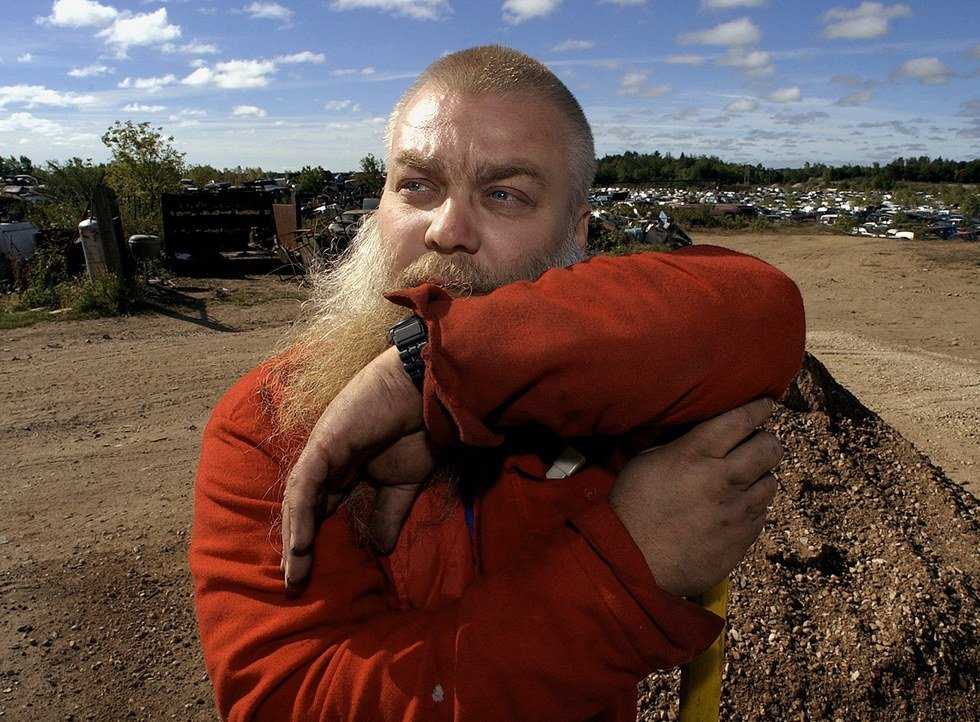
Netflix's newest true crime documentary series, created by Laura Ricciardi and Moira Demo, follows the story of Steven Avery, a 53-year-old man from Manitowoc County, Wisconsin, currently serving a life sentence for the 2005 murder of Teresa Halbach. The series presents a flurry of reasonable doubt that would suggest Avery was unfairly incarcerated once again.
In 1985, Avery was arrested for the rape of Penny Beernsten and given a jail sentence of over thirty years. Throughout the trial, Avery claimed he was innocent, and he continued to do so throughout his jail sentence. It wouldn't be until 2003 that he was finally believed his defense as new DNA evidence proved that Avery was innocent. Eighteen years after his initial arrest, Avery was released from prison.
Once Avery was released, he became a local celebrity. Avery maintained his innocence throughout the duration of his time in jail, and no one ever believed him. He wanted the Manitowoc Sheriff's Department to pay for their mistake, and so he filed a 36-million-dollar lawsuit against the county.
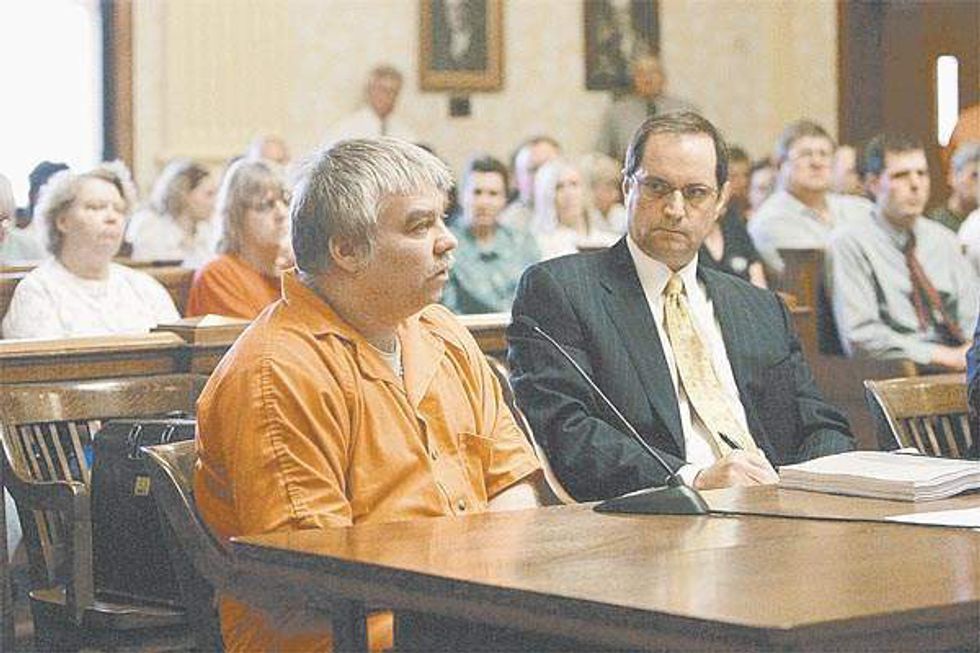
In 2005, just weeks after the depositions for his lawsuit, Avery was arrested for the gruesome murder of, a photographer by the name of Teresa Halbach. Without giving away too much, the show presents a flurry of evidence that suggests that maybe Avery didn't commit the crime.
The show's title "Making a Murderer" has multiple meanings; either the county made a murderer out of Avery by planting evidence and implicating him in the crime (for reasons the show explains) or Avery did commit the crime, and he was made a murderer from the eighteen years he was wrongfully imprisoned for a crime he didn't commit.
Unlike "The Jinx" or "Serial," "Making a Murderer" doesn't include narration or the inclusion of a host. The documentary series is a compilation of title cards, jailhouse phone calls, talking heads, court videos and interrogation videos that give you all of the information, and allows you to uncover the truth.
While I personally believe there was enough evidence to provide reasonable doubt in Avery's case, this show isn't as much about Avery as it is about the shortcomings of the United State's criminal justice system. By watching this show, you will see that it is beyond feasible that with the lethal combination of the news media and the shortcomings of our court system, it is likely that there are many innocent people currently behind bars.

















