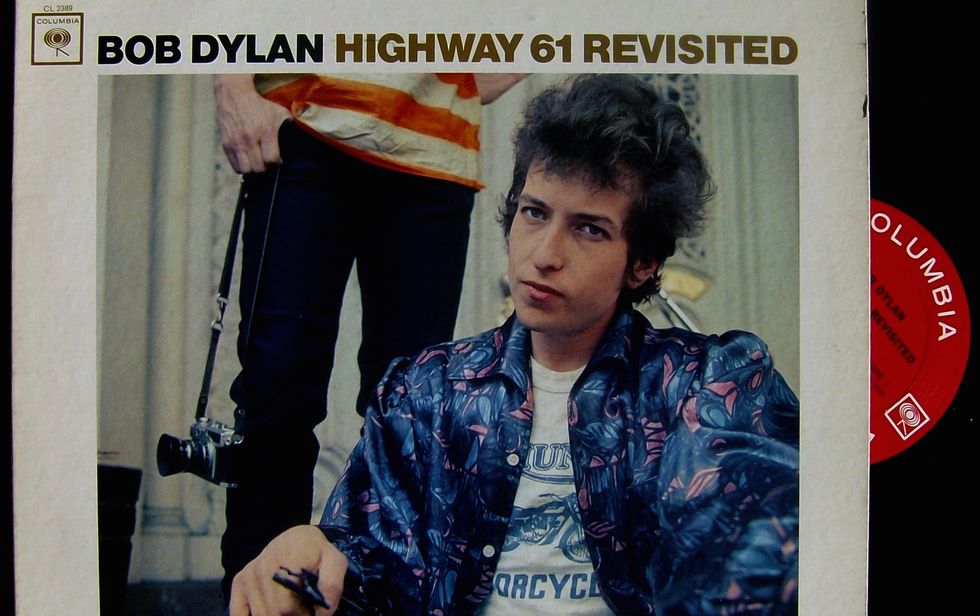
A Google search inquiring the meaning of one’s favorite song can often do more harm than good. Often, music critics and internet commenters alike go into intricate detail over why a song was written and the message it’s trying to convey. Common hypotheses include something like experiences of the artist and religious or political undertones. Bob Dylan’s “Like a Rolling Stone,” is no exception, as many debate the truth behind this masterpiece even fifty years after its release.
“Like a Rolling Stone” is said by many to be one of the best songs ever written, and it’s ranked by Rolling Stone Magazine as the greatest song of all time. A song this popular and this critically acclaimed most likely has a profound message. Literary works that stand the test of time typically do, such as Shakespeare’s plays or the classic Arthurian legends. While Dylan’s defining work hasn’t lasted quite as long, fifty years is an exceptional time of relevance for a song, and “Like a Rolling Stone” shows no signs of becoming less pertinent.
What did Dylan say that was so profound? A common idea is that it’s a "middle finger" to a one-time girlfriend of Dylan’s, Edie Palmer, and the man she left him for. I’ve also heard that it’s about having earthly goods stripped away from the rich, a cry for social equality. Either of these may be factual, but does it even matter? Songs about ex-lovers and equality come and go. A key contributor to “Like a Rolling Stone” and its influence is the profound truth it contains about the human condition.
The first verse describes a character who used to live life without wanting for much. She had enough money to give some to bums and enough pride to laugh at those less fortunate. However, as she was warned, she fell off of her throne, so to speak, and is presently living a life of desperation.
The second verse describes how the girl used to go to the finest school, but is now living on the street, again juxtaposing her past and present. The narrator then reminds her how she used to say she’d never compromise with those lower than her. Now, she’s staring into a stranger’s eyes, asking if he wants to, “make a deal,” insinuating, perhaps, prostitution. However, it is not explicit that this is prostitution of the body, and one could argue it is prostitution of the soul. Either way, the girl is desperately casting away her individuality in order to be comforted and made wealthy again.
The third and fourth verse continue with this fall from grace. Dylan uses the imagery of her being knocked off the steeple where she was a princess. She had spent all her life climbing this tower in search of status and wealth, scorning those who cared about her to focus on those who didn’t. In the end, she fell off her spire and had nothing to show for her time there.
The defining sound of this song is the chorus, specifically Dylan’s inquisitive cry, “How does it feel?” following each verse. I believe Dylan’s asking us is how it feels to see ourselves for who we are, stripped of our possessions and the masks we wear. When adversity strikes, can we still take pride in the person who looks back from the mirror? The woman in the song liked being well-off and proud, but when her prestige was gone, the desperation and loneliness underneath were laid bare.
This compelling story of skewed priorities and vulnerability conveys a truth that authenticity and compassion are paramount. It asks us who we are, and how we feel about it.