
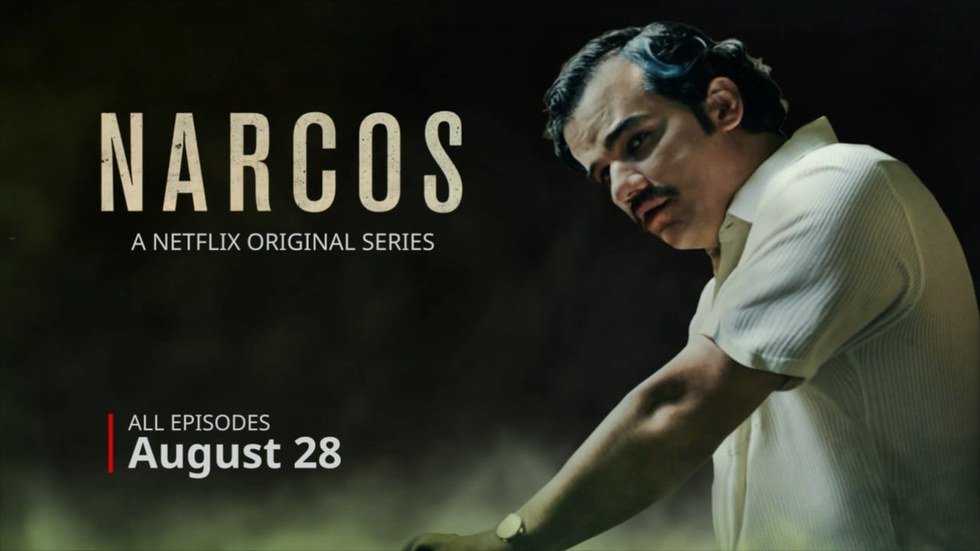
The Netflix Original series Narcos has gained a lot of popularity and attention over the past two years/seasons. The series highlights the almost-twenty-year peak of Pablo Escobar's reign over the Medellin drug cartel, as well as an American DEA agent's mission of capturing and killing Escobar. For those who do not know much about the history or culture of Colombia, the most defining characteristic would probably be Colombia's notorious cultivation of cocaine. The series, therefore, takes advantage of the fascination that the rest of the world has with scandalous drug trade and violence. The Daily Mail reported that 3.2 million people worldwide watched the first season of the series, and a study on popular TV shows in the US found that Narcos was Netflix's most popular show of 2015. Colombia's entire history is summed up in less than twenty hours in order to explain the workings of its drug cartels in the late 1900s.

The filming takes place entirely in Colombia, and most of the actors are Colombian. However, Wagner Moura, who plays Pablo Escobar, is Brazilian. This casting choice can be attributed to both Wagner Moura's uncanny resemblance to Escobar, as well as the fact that the series' director, José Padilha, is also Brazilian. For Colombians, Moura's Brazilian accent is a heavy contrast to what we call the Paisa accent, or the accent of the people of Medellin. In fact, Wagner's accent distracted me for most of the first season because it sounded so misplaced within the context of the show. Pablo Escobar has unfortunately become the figurehead of Colombia to foreigners; yet, even the casting for this historical figure fell just a bit short of what it needed to be. In fact, that's a feeling that can explain the portrayal by the show in general.
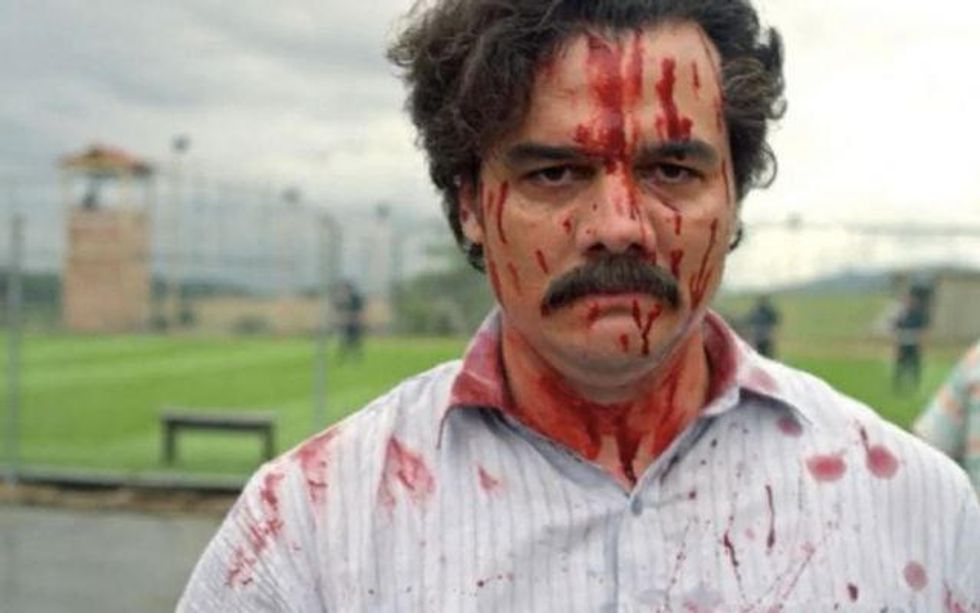
I'll admit that I became obsessed with Narcos; I watched every single episode of the first season, and eagerly finished the second season in a couple of days as soon as it came out. It was only after speaking to my mother about it that I realized how harmful the series really was. My mother refused to watch the show with me because it hit a little too close to home--literally. The show's portrayal of the daily violence in Medellin during those twenty years is a little too realistic to those who had to live through it. My mother was born in 1963; Escobar's reign began when she was old enough to understand it, and didn't stop until after she had her first child at 28. However, Narcos fails to focus on the thousands of lives lost by the youth of Medellin who saw the drug trade as their only escape from the poverty that plagued most of the city. The series doesn't quite capture the fear that the citizens of Medellin constantly felt, or how difficult it was to choose between siding with a corrupt government or a known criminal who put millions of pesos into building hospitals, schools, and churches in impoverished neighborhoods.
The problem with Narcos is that it not only romanticizes one of Colombia's most dangerous periods in history but that its focus on this period prioritizes the country's role in the cocaine trade above every other characteristic. Even now, more than twenty years after Escobar's death and the decline of cocaine production, Colombia is known for little more than cocaine and coffee. A large majority of my childhood was spent trying to explain to my American classmates that my father was not a drug lord. They were genuinely shocked that my family had no ties to drug cartels because cocaine was all they'd ever been taught about my country. The problem with the U.S. education system is that it is entirely focused on teaching its own history, and cares very little about exposing American students to other cultures and societies.
I want my country to be known for being the country that exports the second-most fresh flowers in the world or for being an important global source of emeralds. I want to see news articles about our annual flower and horse parades. More than anything, I want the blame placed on Colombia for the prominence of cocaine in the late 1900s to be reconsidered. After all, simple economics explain that demand and supply go hand in hand. And, just so you know, U.S. was the biggest importer of Colombia's cocaine and the peak of cocaine usage in U.S. history was caused in 1982, coincidentally during Escobar's peak of production.