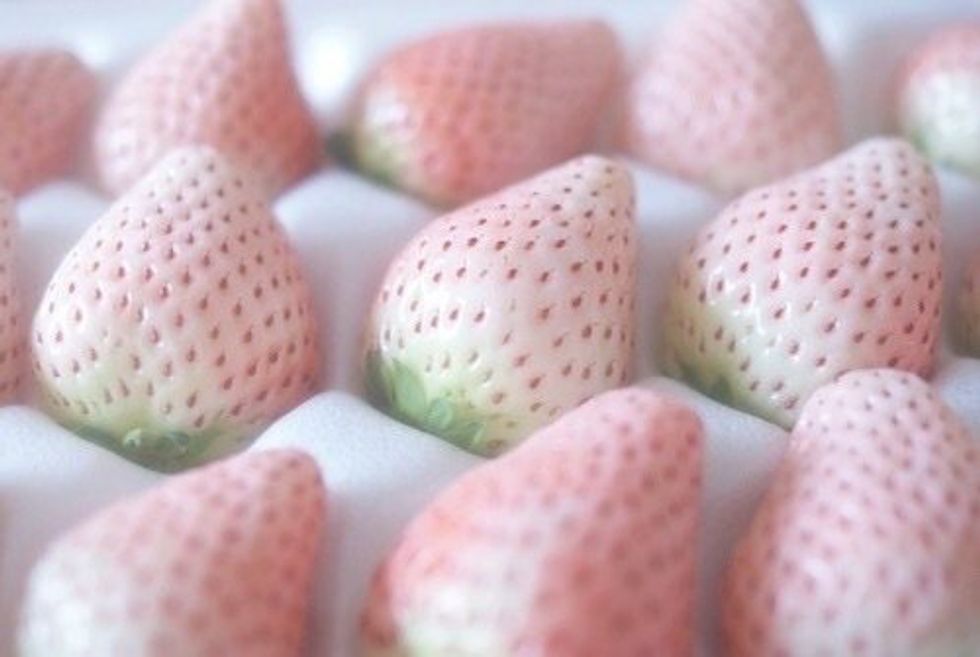
When l was seven, my room looked as if Barbie had barfed all over it -- pink lace everywhere. My stationery was pink. My backpack was pink. My favorite Power Ranger was pink. The summer before sixth grade, when my friends and I created a secret club devoted to climate change and environmentalism (of all things), my nickname was Pink Panda. My friends still tease me for it.
As soon as I hit the eighth grade, I knew this obsession with pink had to go. My classmates thought it was too girly and, as a result, weak. It was often looked down upon, and, because of my preoccupation with the color, so was I. I decided to find a color that was not only aesthetically pleasing but also socially respectable. One day, it was chocolate brown. The next day, it was neon green. My mind was plagued with indecision until I settled on a cool turquoise, but then it hit me -- why should I mold my likes and dislikes according to my peers? And, since when did wearing your femininity on your sleeve make you feeble and powerless?
My friends thought that, in order to fully embrace feminism, they had to let go of anything stereotypically feminine and to reprimand anyone who didn’t. Feminism, however, does not and should not dictate your preferences -- to think that it does is actually anti-feminist. Shunning women for their feminine predilections further perpetuates toxic stereotypes and pigeonholes women into following unfair societal expectations -- exactly the opposite of what the feminist doctrine stands for.
Taylor Swift, known for her lovesick breakup songs and red lipstick, perhaps one of the girliest celebrities in Hollywood, has broken glass ceiling after glass ceiling, sweeping the Grammy awards every year. Malala Yousufzai, who continued to fight for women’s education even after the Taliban shot her in the head, confessed that her favorite color is pink. You don’t have to choose between being feminine and being a feminist. Wearing makeup does not make you insecure. Putting flowers and bows in your hair does not make you ditzy. Liking the color pink does not make you weak.
So, I chose to stand up for my favorite color. I decided to defy cultural and countercultural expectations, and it made me stronger.
My special connection with pink still lingers today. It empowers me in ways not even turquoise could. It liberates me from the expectations of others. It reminds me that my femininity should be celebrated, not scorned. It reiterates that the female sex does not equate to vulnerability, but rather to tenacity and fortitude. That my femininity is an integral part of who I am, and nothing can change that.