
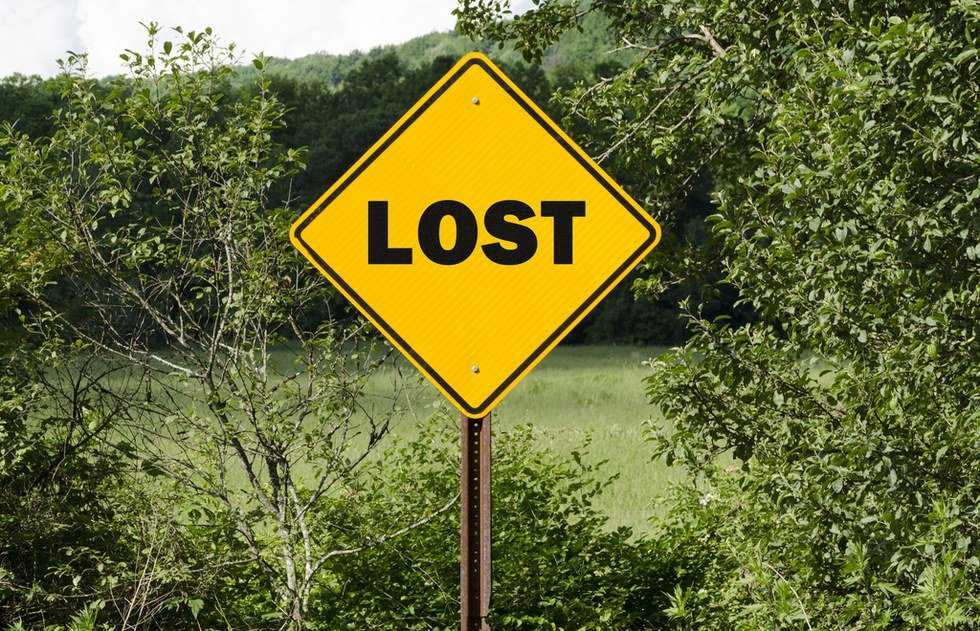
This past Thursday night, a friend and I got lost in the West Village. Or more accurately, we went to the West Village to get lost. We boarded the subway with only one rule: if we got lost, so be it. Phones were outlawed. We were going to wander, relying only on ourselves to find the way.
My friend and I ended our evening of wandering at Kettle of Fish, a basement bar full of couches and vintage pinball machines that was frequented by many from the Beat set, like Bob Dylan. He would slope upstairs after his set at The Gaslight, and-- I imagine--sit hunched in the corner with his guitar, stringing together the words to a protest song. Jack Kerouac was another regular--his picture now hangs on the wall like a patron saint: he leans against the glowing neon sign, his head tilted back and chin thrust up, an air of a challenge hanging about him. He watches over his favorite haunt, a bar known for its dubious clientele, and for keeping the jukebox turned up “two decibels above tolerance.”
As any English Literature major knows, if you get a chance to write in the same place as a much-beloved author, you take it. There’s always the hope that some of their genius seeped into the place itself, and that it can be re-absorbed, osmosis-like, as it leaks up through the stools and counters and the Ms. Pac-Man machine in the corner. You hope that you can somehow imbibe it through your skin or your lungs if you sit and breathe in the beery smell for long enough. So we got comfortable on the couches and pulled out our notebooks.
But instead of writing, I began to think about Kerouac, about “On The Road.” There’s something inherently appealing about throwing some things into a suitcase and piling into a car, setting off to you-know-not-where with no plan, trusting that ideas and adventure will find you along the way, believing that discoveries will be littered on the side of the road, waiting for you to pick them up.
I am a person who likes organization, plans and maps. Before heading to a new place, I like to do my research: a list of tourist attractions, museums, main streets, methods of transportation. I worry that if I don’t make sure I head to all the important places, I’ll miss something.
But I also enjoy the thrill of getting lost, of wandering in unfamiliar surroundings with only a notebook, a camera and my thoughts to accompany me. There's something about unfamiliar surroundings that makes us turn inward, to what we know. We examine the familiar terrain of our minds and hearts, and we discover that there, too, are corners hidden from our knowledge, places we have never visited before. It is vast and unknowable and contains thousands of permutations. We may find that our roadmap is out of date and faulty, that people and places formerly located at key junctions have faded from the main roads, relegated to windy, out of the way, ill-lit paths which kick up swirling clouds of dust as they are newly traversed.
Krakauer enthusiasts might scoff at my version of wandering: It's no solo trip into the wilds of Alaska. The stakes are much lower in the gentrified streets of the Village. But ramblings needn't take you so far afield: in a city as vast and protean as New York, you can disappear just as easily.
Many great minds far more eloquent than I have spoken about wandering to lose yourself and discover yourself. Henry David Thoreau, another writer and explorer, said it best in “Walden”: “Every man has to learn the points of compass again as often as he awakes, whether from sleep or any abstraction. Not till we are lost, in other words, not till we have lost the world, do we begin to find ourselves..."