Soey Milk
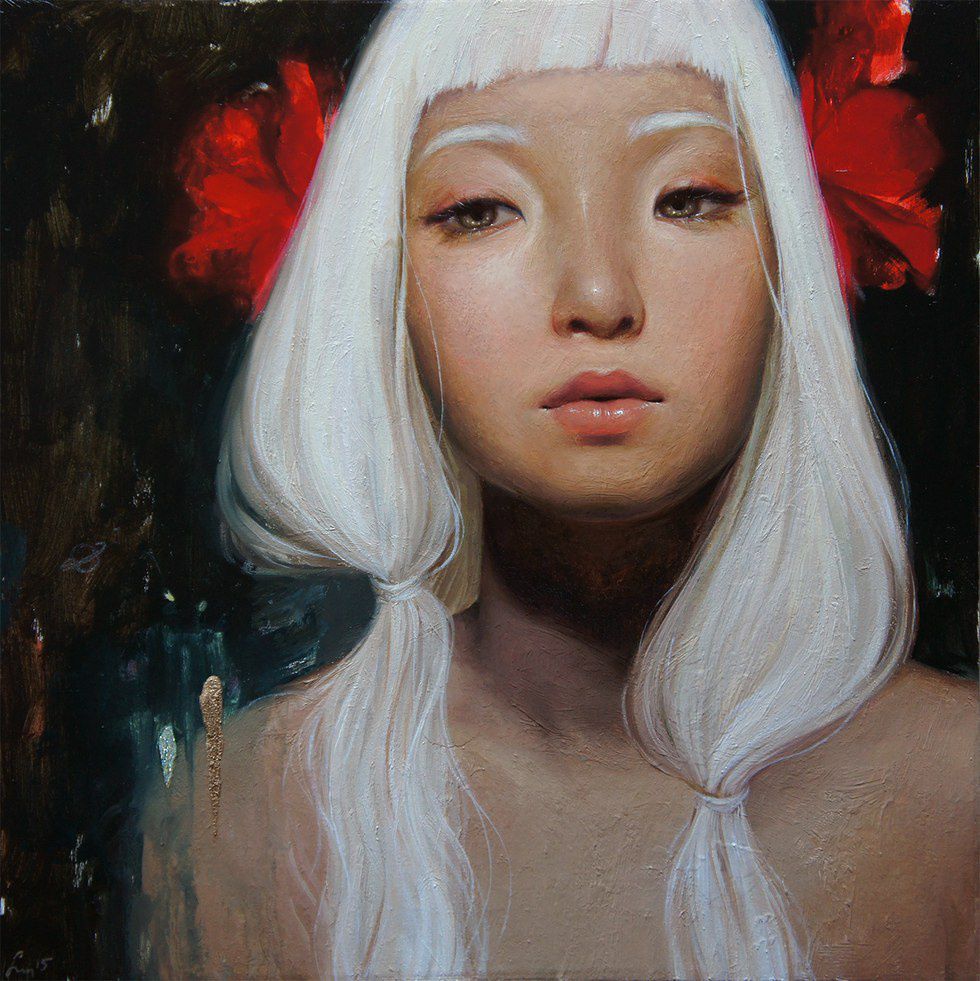
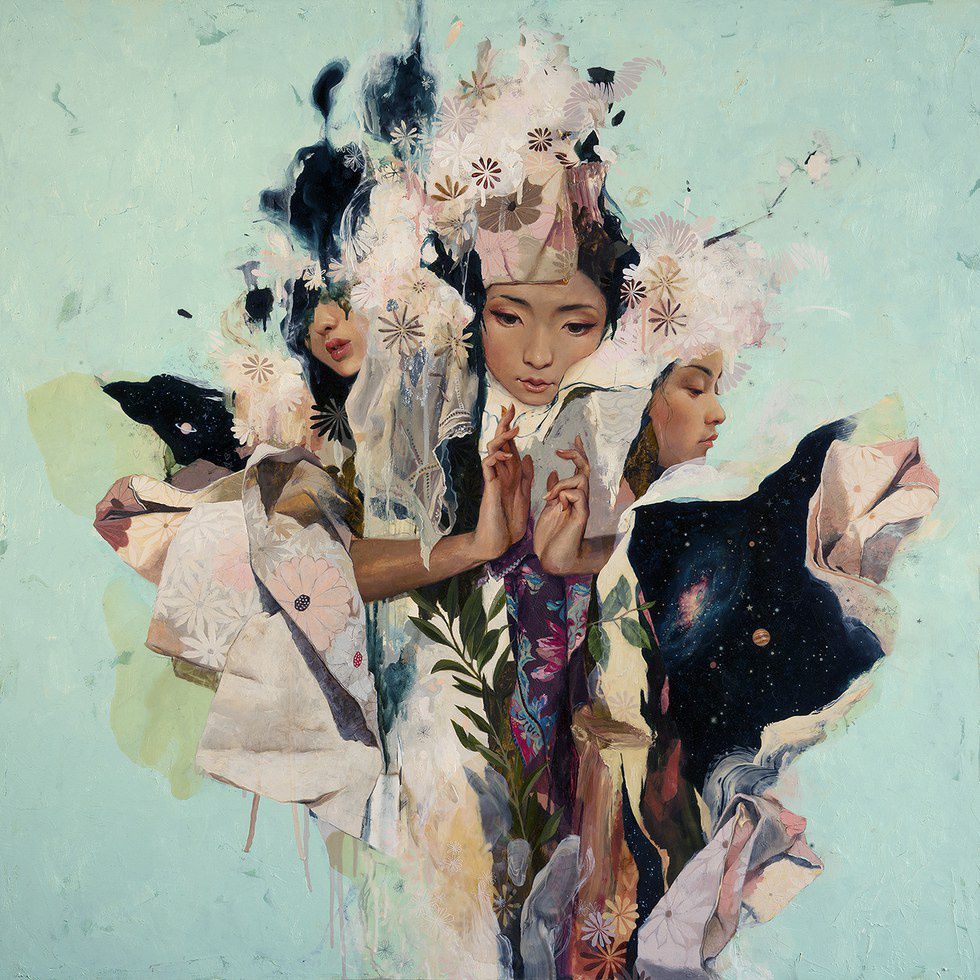
고요 (Goyo) & You Know the Way that I Hide
Both 12" x 12" | Oil on wood / Oil on canvas
Private Collection
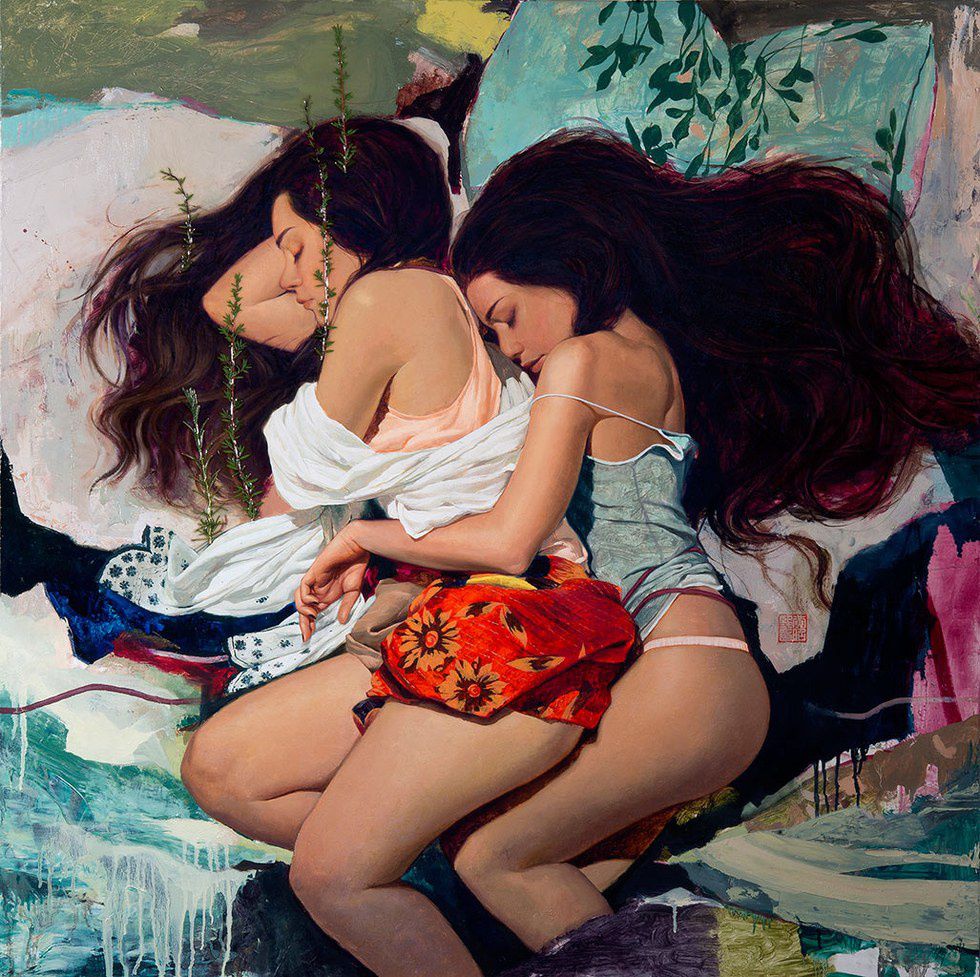
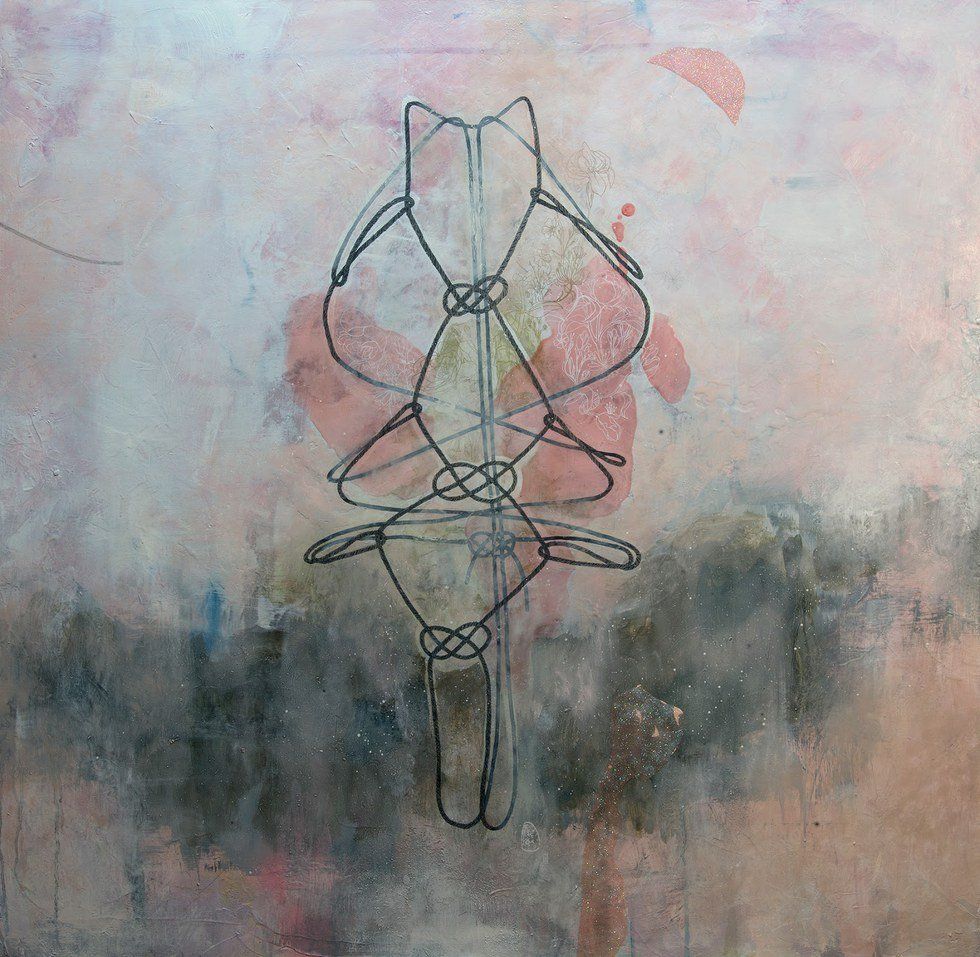
Earthlings
36” x 36” | Oil and twigs on canvas
Pida collection
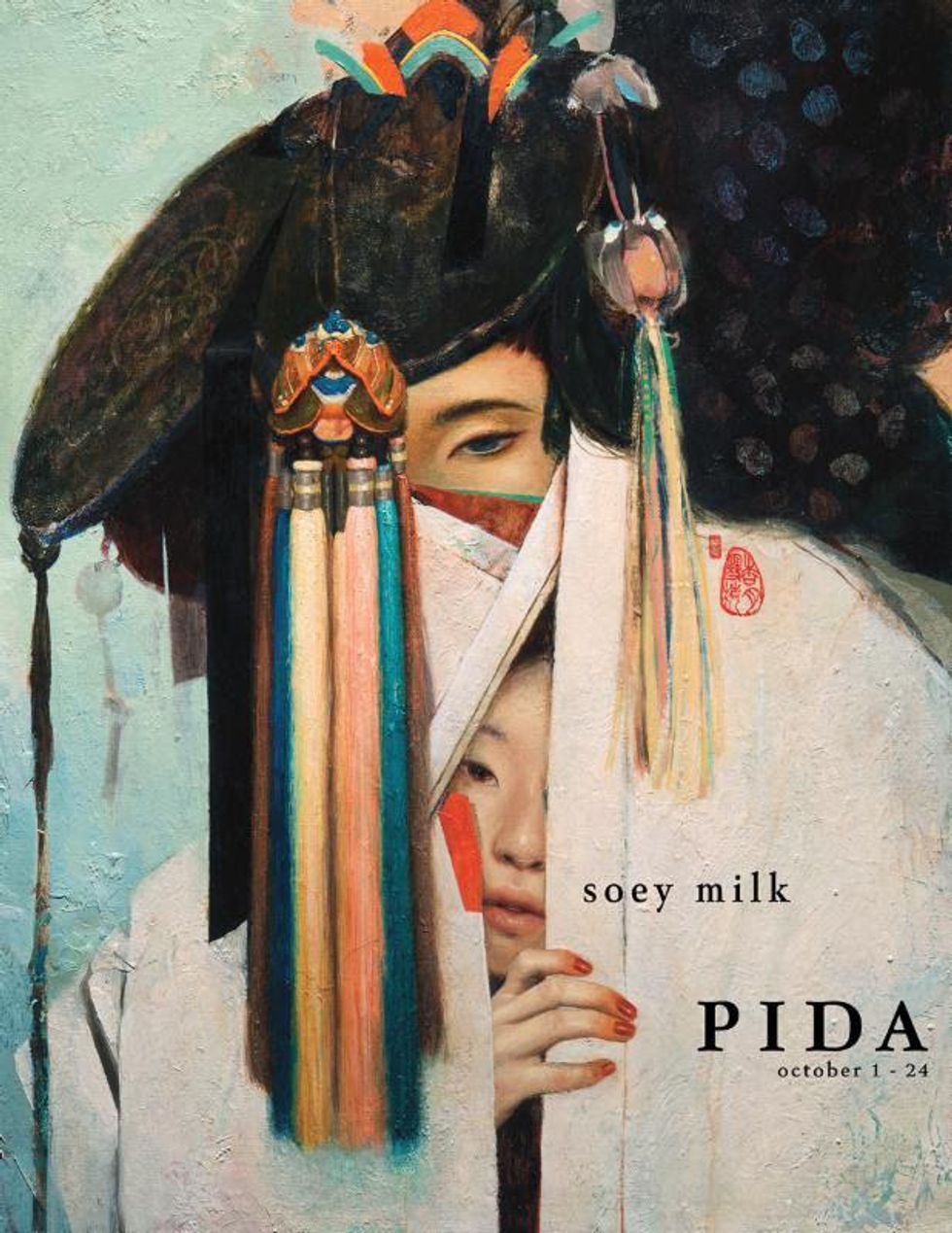
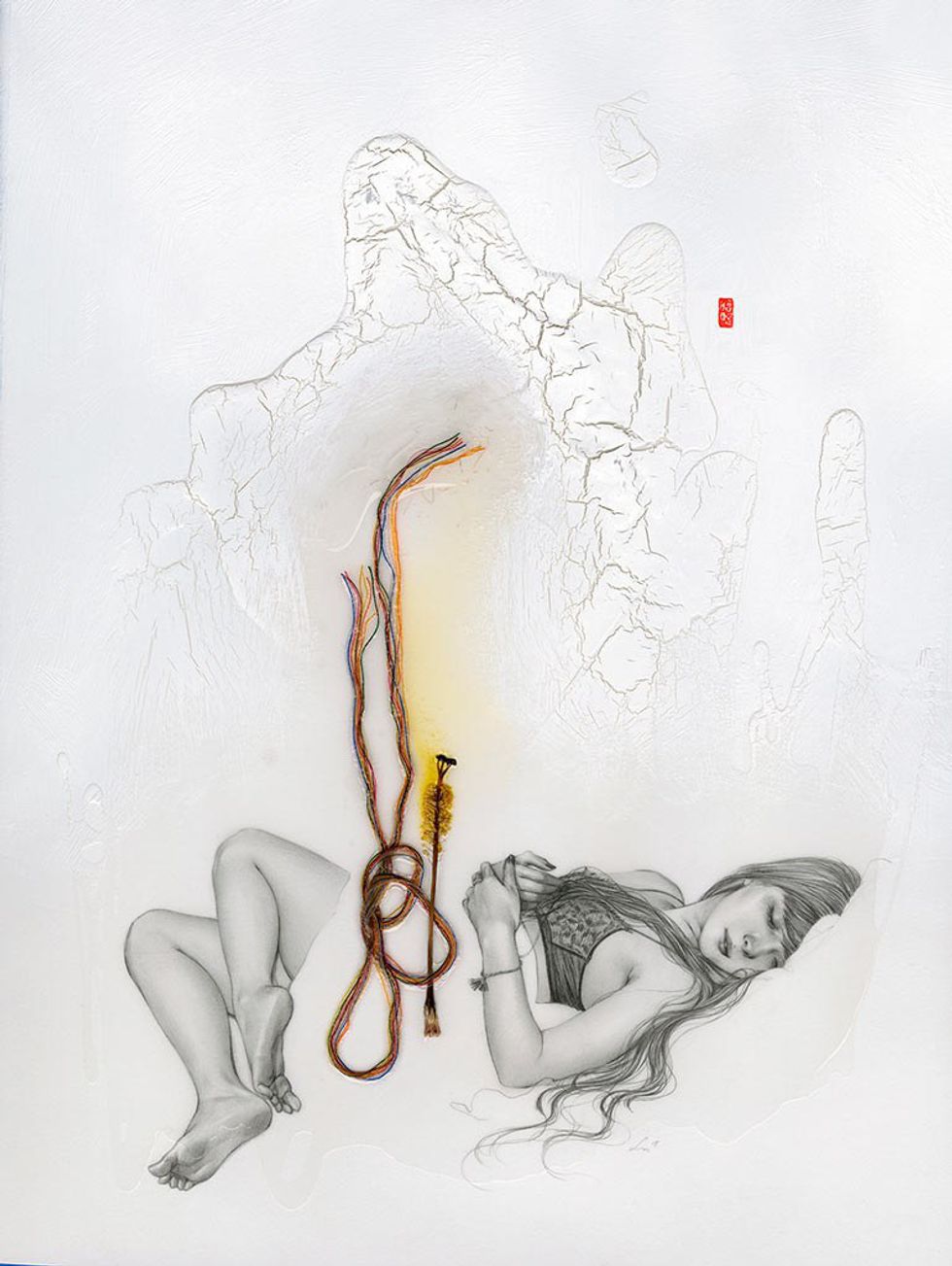
Soey Milk, born in Pasadena, CA, currently works and practices in her Hollywood studio, preparing for exhibitions around California. Her most recent solo exhibition titled “PIDA (피다)”, was held in the Hashimoto Contemporary in San Francisco last October.
Milk’s private collection and those works shown in “PIDA” overlap themes of female sexuality and expressionism, but are also strongly influenced by her own Korean heritage. In an interview with Juxtapoz, the artist describes her new body of work as a “quiet experimentation where discoveries are made.” Her usually depicted figures, mostly nude or loosely clothed women, are organic and lavishly colorful. As the figures lay out along the canvas, the combination of tranquility and playfulness nurture the personalities of the women and have a stunning sense of realism. Although they depict similar themes, Milk’s canvas pieces in “PIDA” juxtapose her graphite drawings. The graphite women are drawn lightly and gently, which contour and accentuate the female form. Each one is simplistic in form, but yet shadowed down to the last detail, which perfectly parallels the vibrant colors and oils used in her canvas pieces. As noted in her piece “Earthlings”, Milk began to use textiles like twigs and pedals from around the world in her recent exhibition, which highlights her fascination with fusing other cultures and bringing in narratives other than her own to the canvas.
Pida, or 피다 in Korean, translates into blossoming or becoming something else or new. Like flowers blossoming in spring, Milk’s work is self-exploration, where she reflects upon other women and herself as budding, intimate, and free-spirited.
Matt Johnson
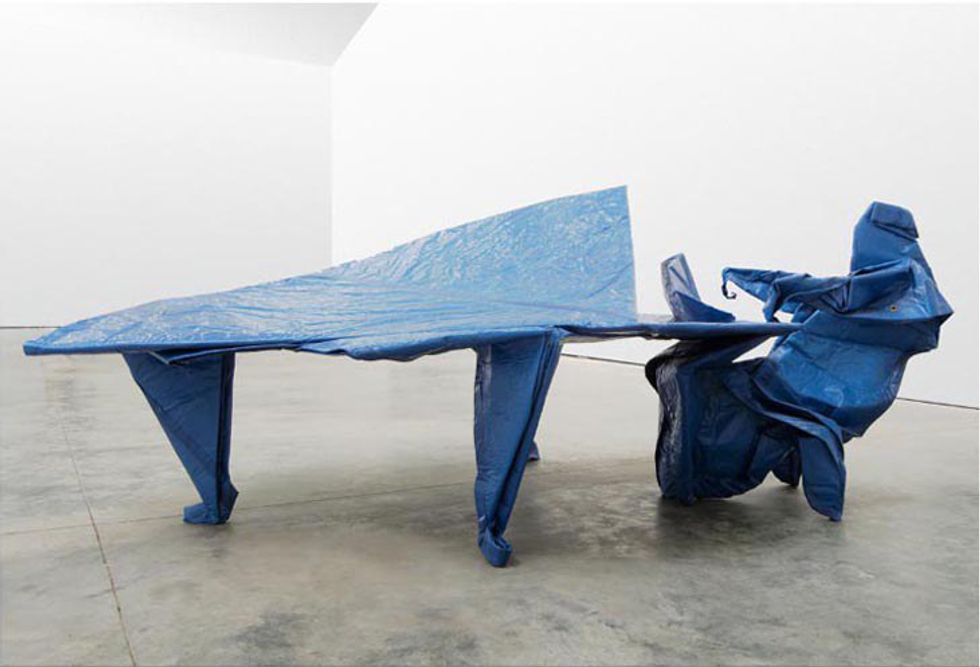
The Pianist (after Robert J. Lang)
147 x 340 x 198cm | Blue tarp, paper, stainless steel
Saatchi Gallery, 2005
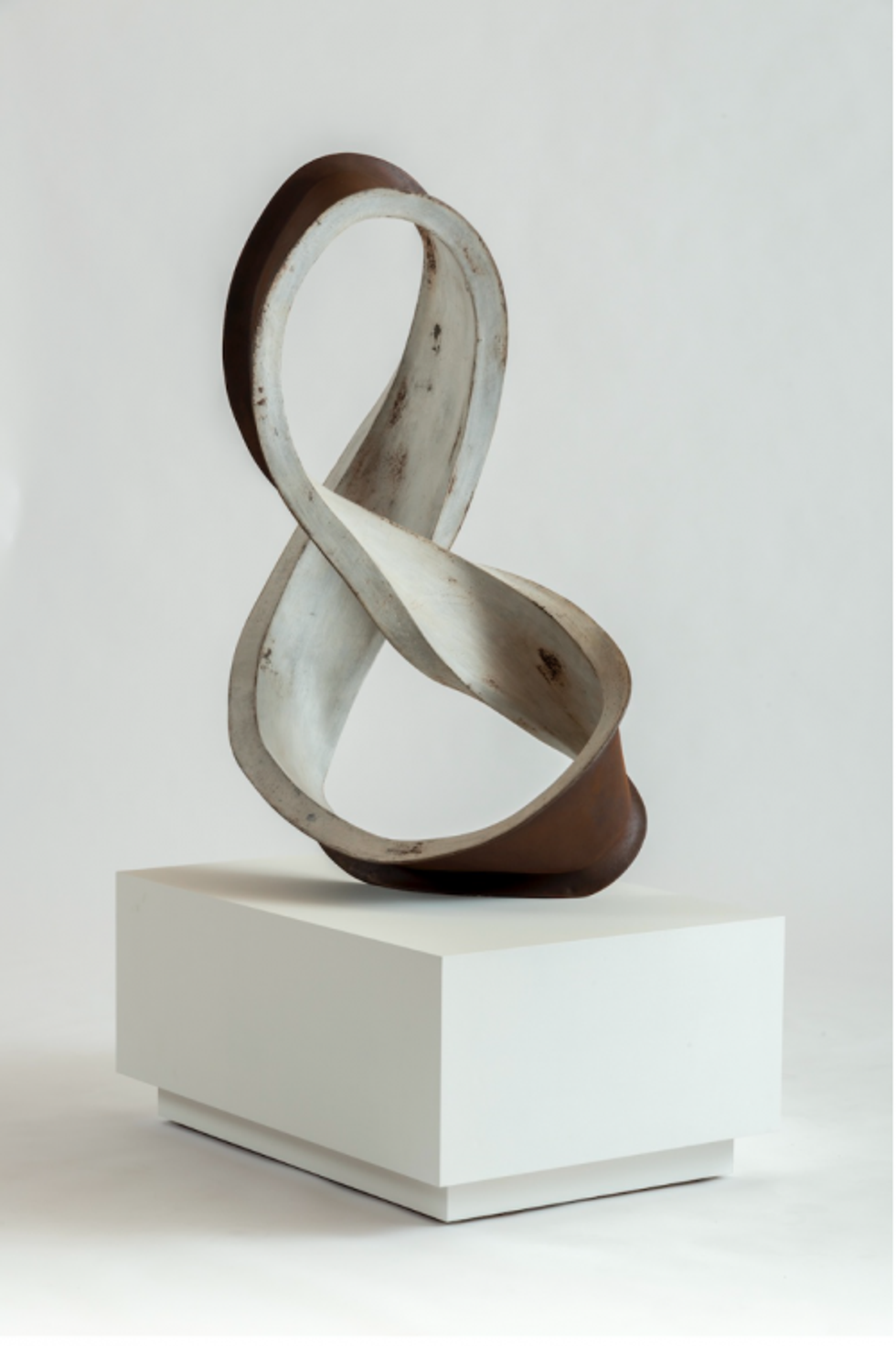
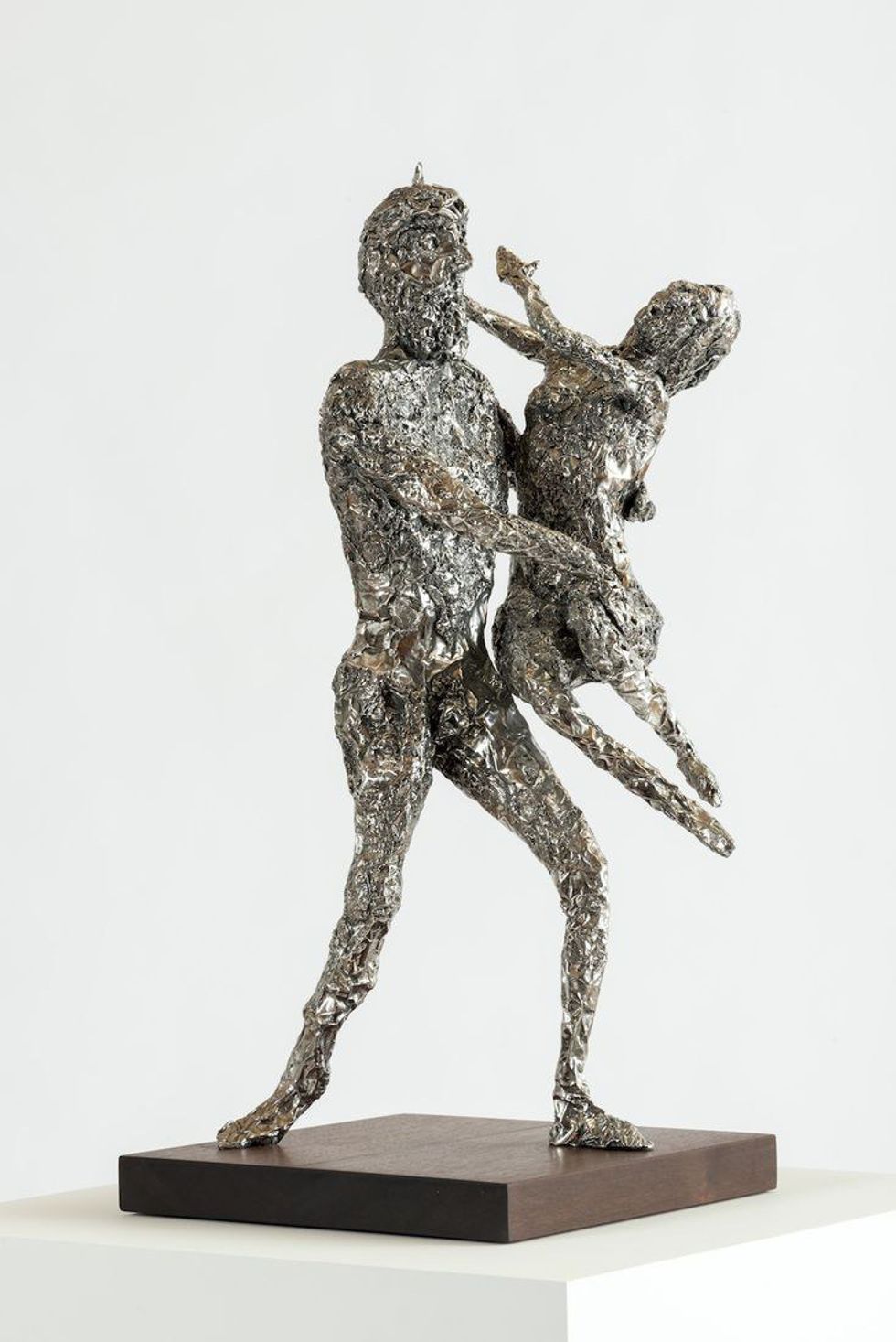
Eight | Tin Foil Sculpture (Pluto and Proserpina)
45 ½ x 27 x 24 in | Mild steel with patina
28 x 14 ¾ x 17 ¼ in | Stainless steel
Blum & Poe Gallery, 2014
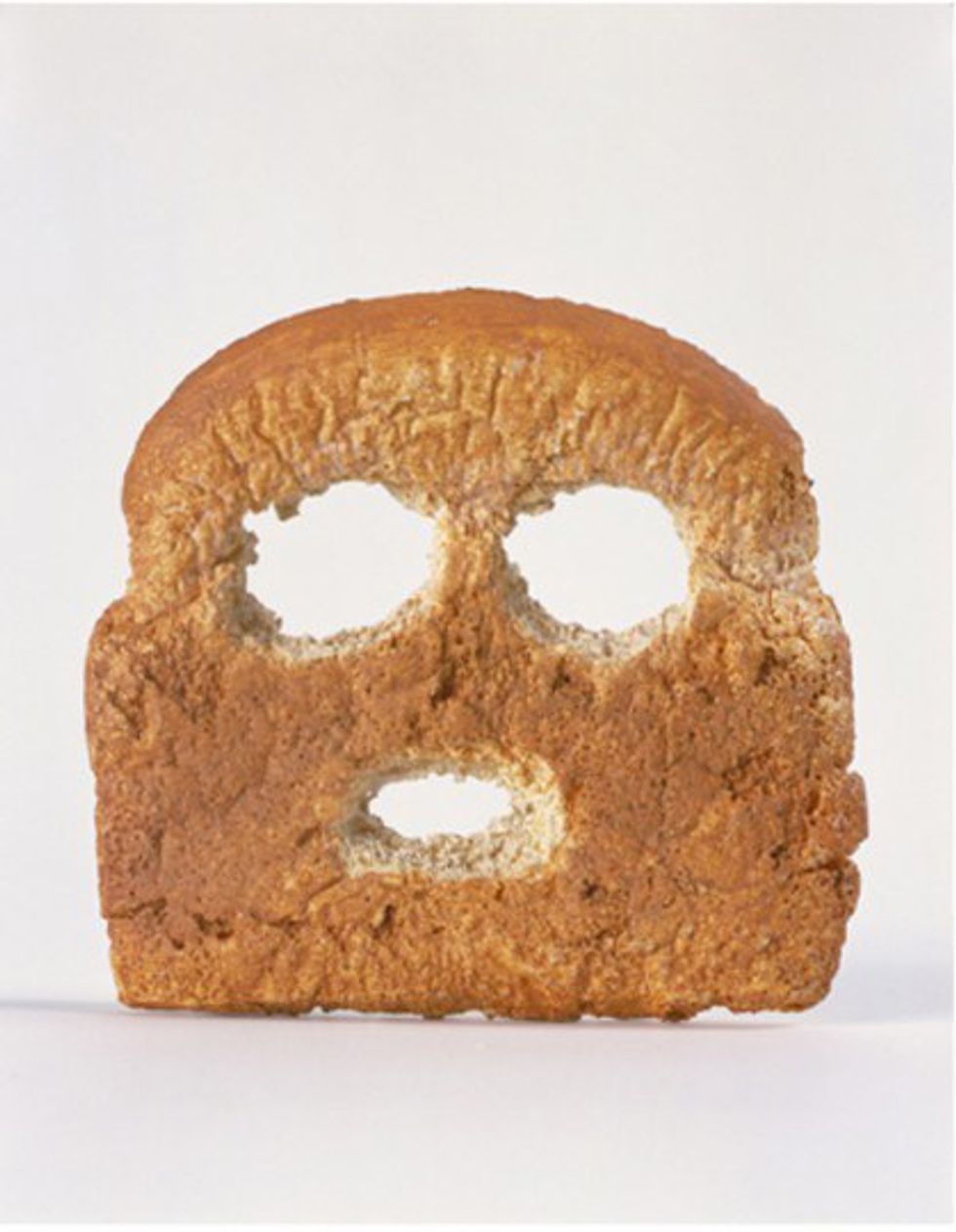
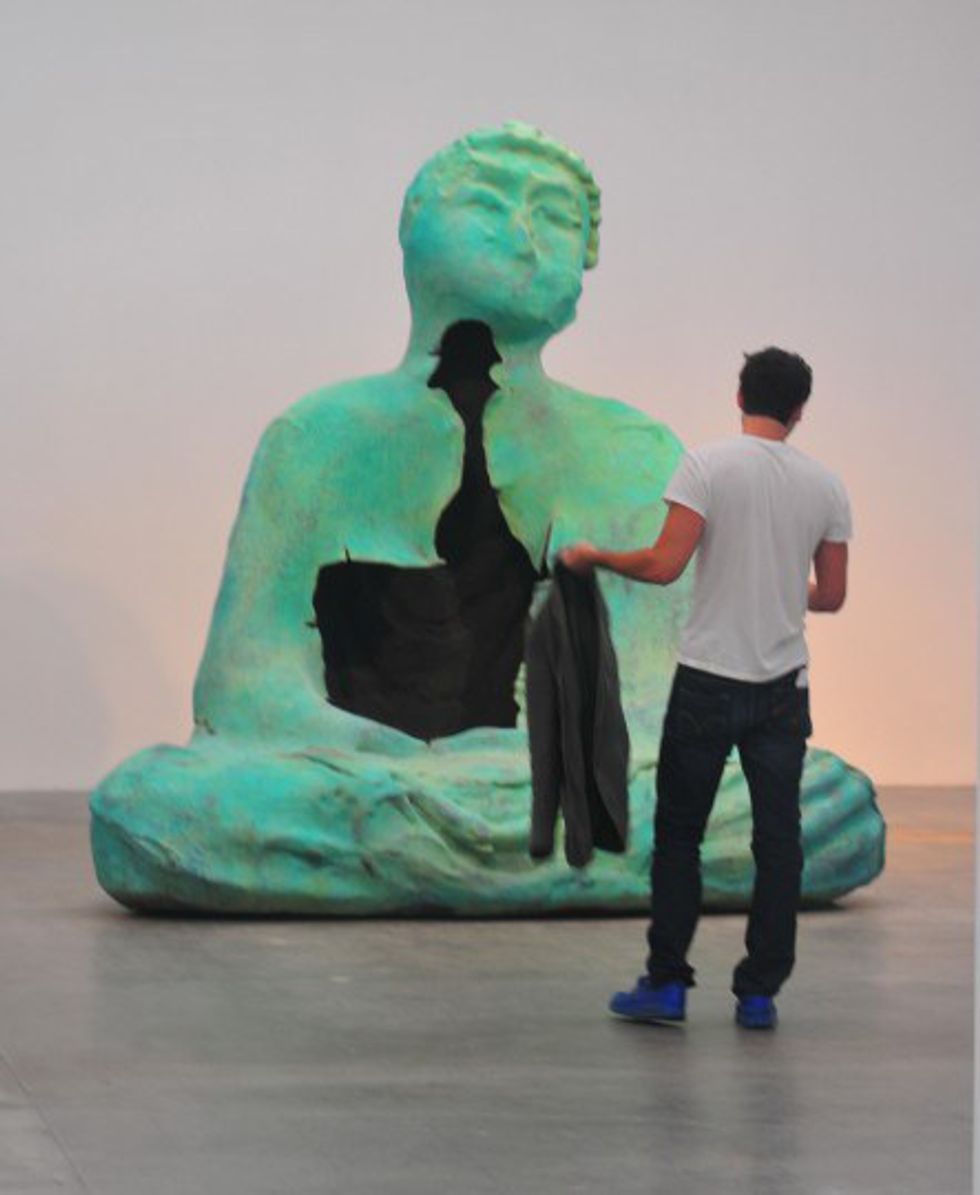
Breadface | Hiroshmia Buddha
3 ¾ x 4 x ¾ in | Cast plastic and oil
Hammer Museum’s THING, 2005
108 x 96 x 60 in | Bronze
Blum & Poe Gallery
Matt Johnson’s earliest sculpture combined the past and the present, presenting his audience with either a bike embedded in a tree, or something with deadpan humor, like “Breadface”. Despite his newest exhibition with Blum & Poe Gallery, his previous works evoked a sense of natural ambiguity, obscurity, and organic simplicity; however, his 2014 exhibition at Blum & Poe simplified his palette and presented his audience with 10 raw sculptures, leading away from the whimsical and going towards poignant.
One of Johnson’s largest works, the “Hiroshima Buddha” stands nine-feet tall, towering over those who stand before him. The meditation poise and expression juxtapose the unsettling tear in his chest from neck to stomach. Not only does the Buddha represent nuclear war, but it’s also alluding to the Taliban’s destruction of Buddha figures in Afghanistan to show their political power. “The Pianist” is a tribute to an American mathematician and origami theorist, Robert J. Lang, and explores the paradoxes in visual forms. His life-sized origami masterpiece includes a tarp, folded into the shape of a grand piano and its player, but also explores unorthodox fluidity and humor, as the tarp is creased, floppy, and unaligned. Johnson’s utter juxtapositions in his sculpture creatively cater to the theme of his newest exhibition. Johnson wants the audience to engage and destroy ideas we have about ourselves and the world around us. Using the blunt juxtapositions, like those in “Hiroshima Buddha” and “The Pianist”, the pieces heighten our awareness of reality and the falsehood of idealism.
Gisela Colón
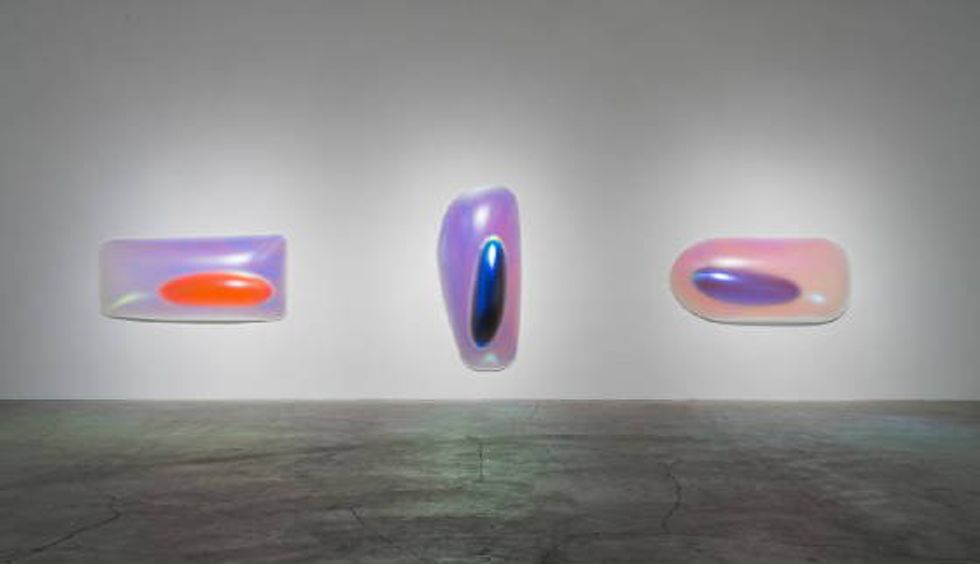
Installation View ACE Gallery Exhibition 2015
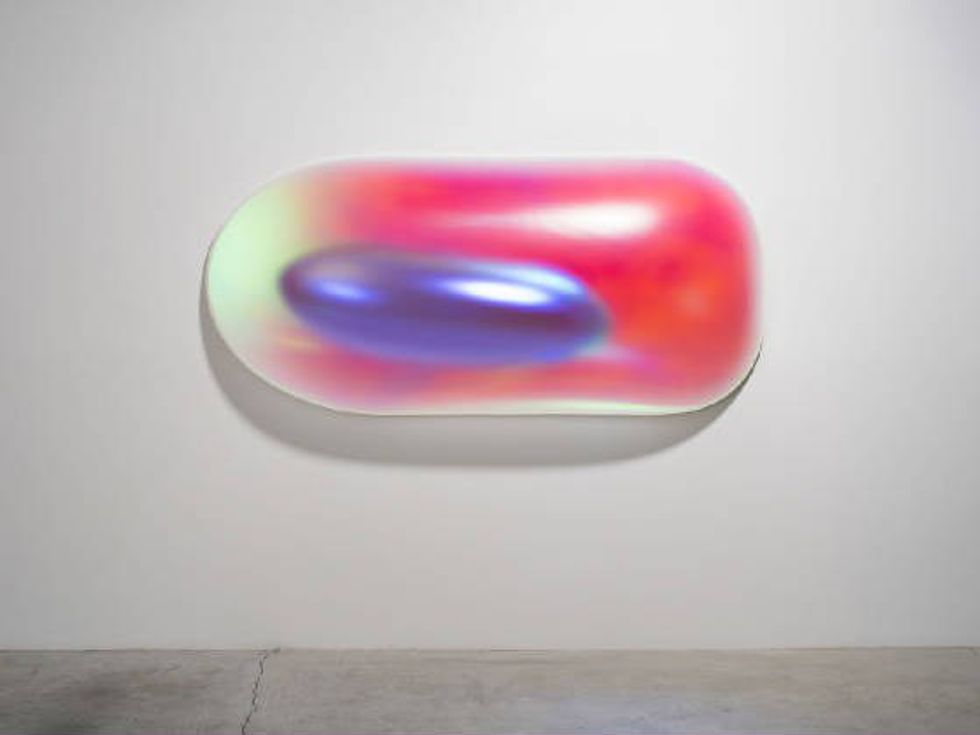
Ultra Spheroid Glo-Pod (Iridescent Violet)
42 x 90 x 13 | Blow-molded acrylic
2014
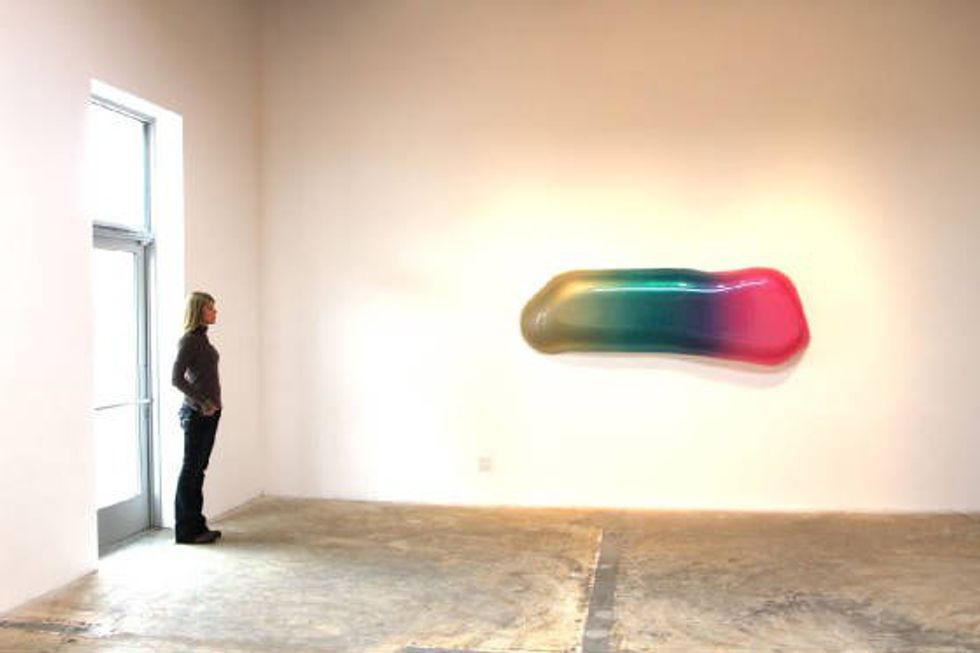
Installation View NYE + Brown Exhibition 2012
Twenty years after landing in the U.S from Puerto Rico, Gisela Colón abandoned her law career and began abstract sculpting. Since her career transition, Colón has had more than six solo exhibitions that exemplify modern abstraction and non-objective works. In the Ace Gallery, Colón showed her most recent non-objective creation, the Glo-Pod, which pushes the limits of artistic technology and science, as well as employs a sense of ‘60s nostalgia. The pods appear emanate color and light from within their acrylic shell; however, this is only an illusion that has been utilized and manifested by Colón. Her non-specific objects not only have a sense of femininity, but also meditation, as there is not a technological trick embedded into her art. When asked about her move from Puerto Rico, Colón noted, “Los Angeles allows artists to push boundaries and use all the different industries to create new discoveries,” and sites DeWain Valentine, Donald Judd, and Robert Irwin as inspiration for her minimalist and abstract acrylic sculptures. As of June 2015, Colón was named one of the “most powerful women in L.A’s art scene,” as well as being recognized by countless art critics.
Colón’s newest exhibition “PODS” began at the Butler Institute of American Art and will travel to the International Museum of Art and Science in McAllen, TX on April 1st.