1. We are completely and totally oblivious to how the other half lives
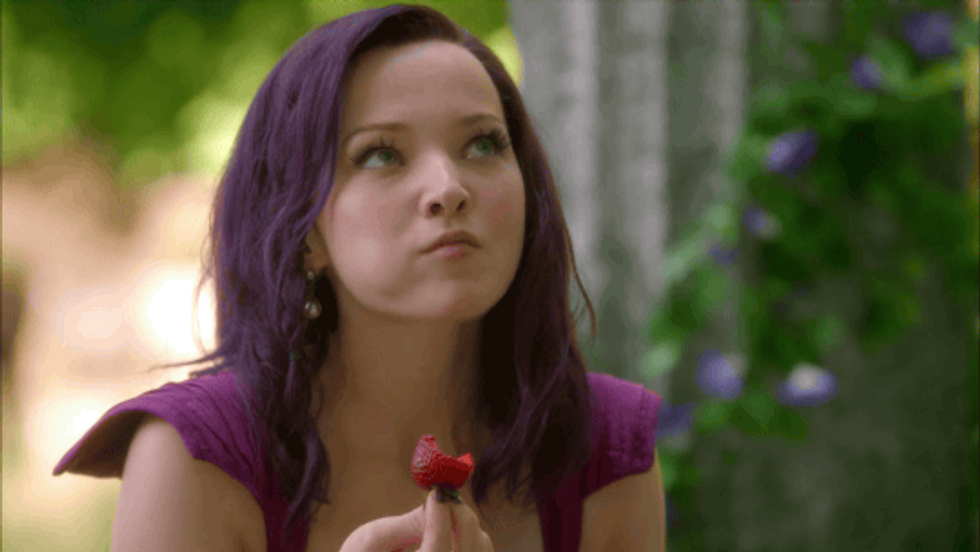
Let them taste the strawberries
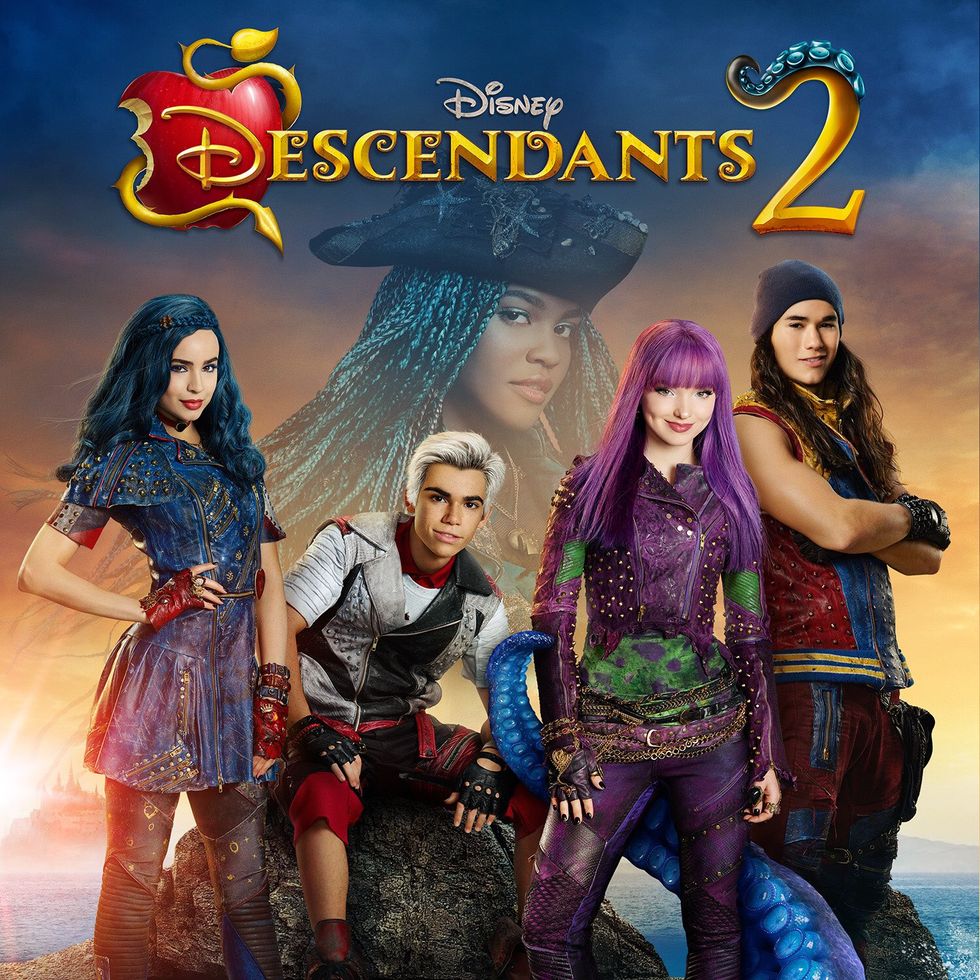
In Auradon, the land of Princes and Princesses, the evil villains are out of sight and out of mind, banished to the Isle of the Lost. Sound familiar? The upper middle class white population has managed to banish the black population to the inner cities, the Hispanic population to crime-ridden border cities and low-income communities. The list goes on. We underfund their education, skyrocket their rates of incarceration, and perpetuate ideas that they are less-than because of it. A blatant example is the technology giants in the Silicon Valley who refuse to fund lower middle class housing for the people who serve them breakfast, work the checkout at the local Target, and who may even work for their corporation. The Isle of the Lost isn’t a terrifying Disney creation, its reality.
2. We assume our diplomatic but action-less words are solving problems when they aren't
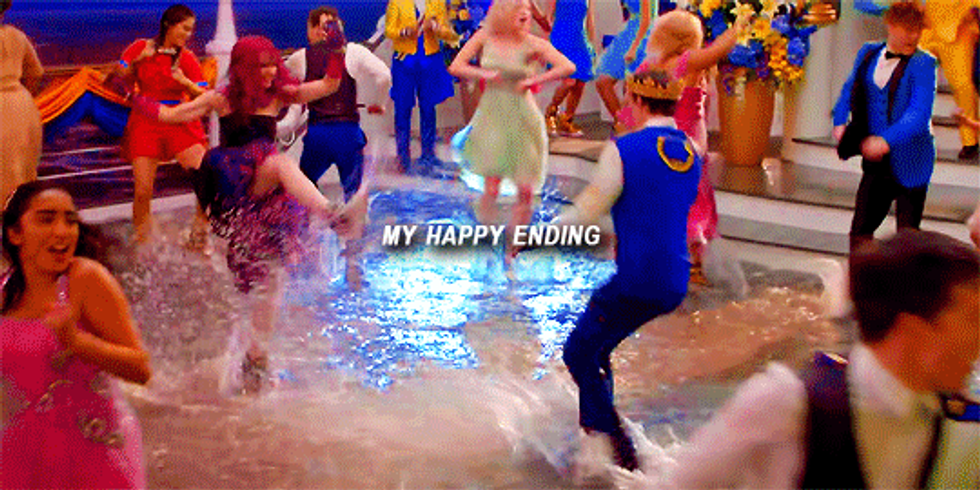
King Ben gets a party after accomplishing literally nothing and leaving a conflict unresolved, after silencing Uma.
Prince Ben tries twice in this movie to talk out the debates between Uma and Mal. But how does the movie end? Uma puts her head down and leaves, staying quiet, going back to the Isle of the lost to let her anger steep for a few more years until there is another uprising that results in a much bigger conflict (and probably a third movie). And those on Auradon? They turn around, commend King Ben, and celebrate! What? I’m sorry... what? This happens EVERY DAY. We ignore the concerns and the angers. We shut out the valid points and sources of anger of these people who grow up underprivileged and commend the privileged leaders for literally accomplishing nothing! It has to stop. Leadership doesn’t discriminate, Uma had just as much potential as Ben that could never come to fruition because she was shunned based on her birthplace and family. We need to understand that potential doesn’t discriminate based on color, sex, identity, birthplace, or anything else.
3. We think everyone wants to conform to how we live and forget that underprivileged individuals do not want to sacrifice their culture for their freedom
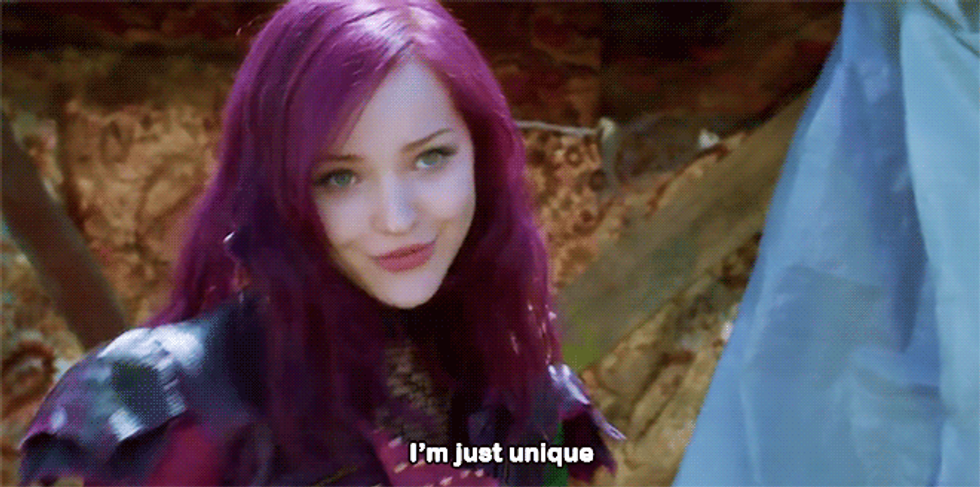
Mal colored her hair, gave up spray paint art, and changed her style because she was peer-pressured out of being herself.
Mal goes BACK to the Isle of the Lost because she feels like she has to conform to the ideals of Auradon, as if the person she was at the Isle has nothing to offer and that’s just not true. They made her feel like she had no place in privileged society and that is not how it works. The best part of the American theory is being able to keep the coolest parts of our culture - the food, the parties, the traditions and the religions - without having to accept the cruel fate of being in an unsafe nation. We need to stop shoving down the idea that white culture is better than anything anyone else has to offer.
4. We perpetuate the problems of the past by segregating individuals without a premise
Okay, so we lock up all the villains, sure. Then we take their children and force them to grow up on the Isle before they’ve done anything wrong? That doesn’t seem right. Yet here we are, locking generations of black Americans in prisons and then we don’t make enough effort to educate their children and give them the opportunities to be better than their parents. I mean, sure, they could overcome one challenge after another after another and make a name by attempting to conform and be something they are not, but that’s nothing like growing up in a community with limited gang activities in a protected suburb where opportunities to pursue one's passion is the norm. It's time to be better.
5. We silence opinions and ideas that could be helpful out of our own unjustified fears
Uma had so many villain’s children rally around her on the Isle. Leadership much? Evie had a knack for fashion long before she made it to Auradon. Talent much? Everyone on the Isle has something to offer, but we are too afraid because of their parents’ legacy. What if we give them a chance? What if we teach them to use their powers for good? What if we stop profiling those who are different from us simply because we’re afraid they may have some good ideas (better than our own even! what?).
6. Children really are the future
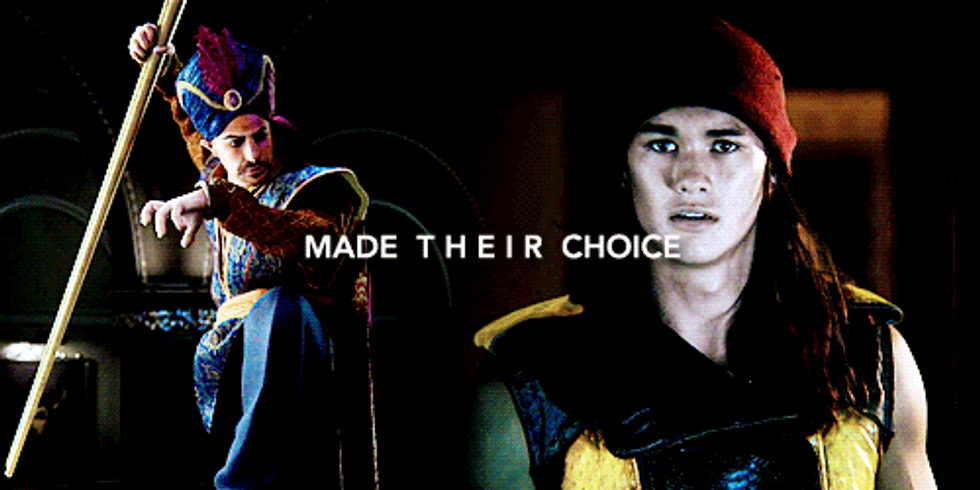
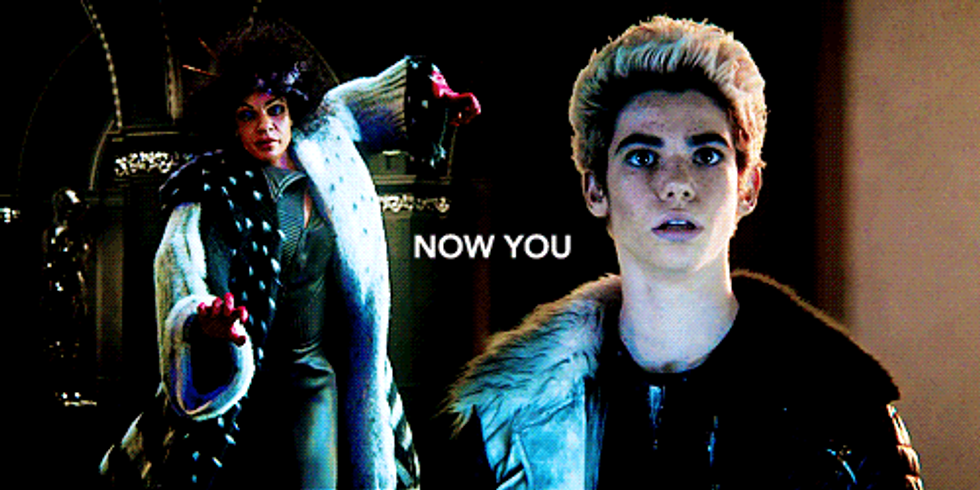
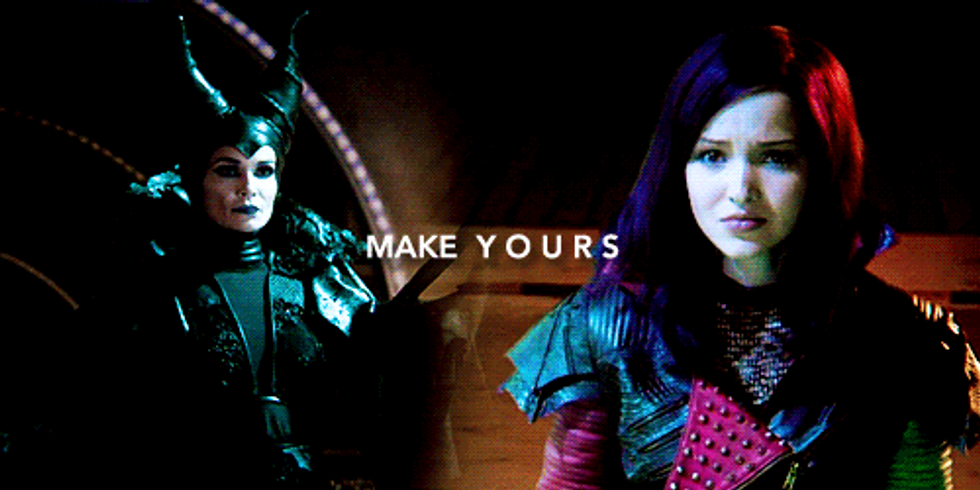
They are not their parents. Invest in them, invest in the future, create a better tomorrow through the kids of today.