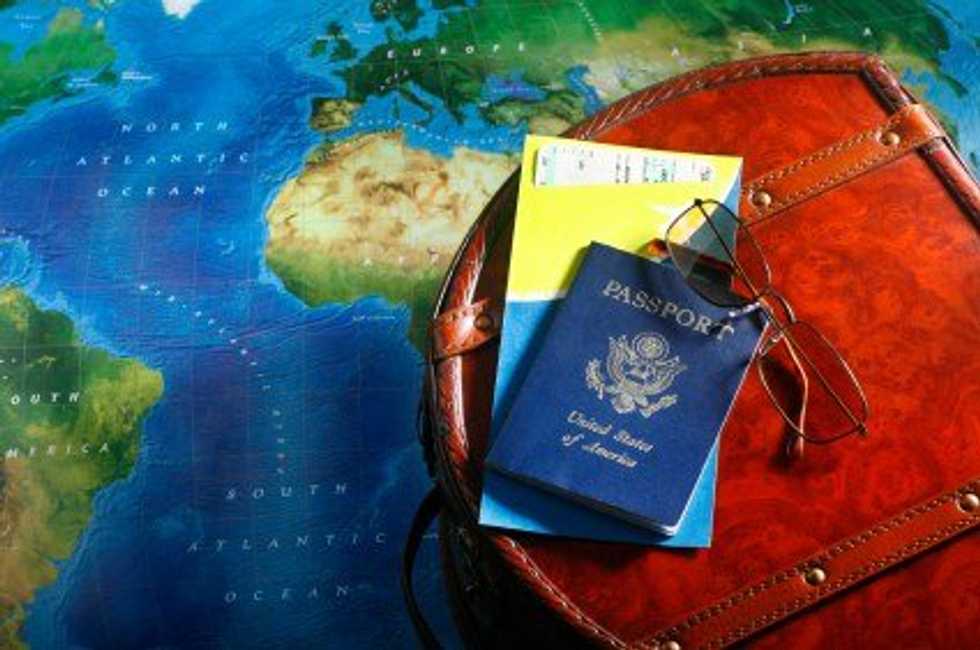
At the beginning of this year, I prayed (perhaps a little selfishly) that God would "make my world bigger." Up to that point, my experiences had been limited to the average upper white middle-class Pacific Northwest evangelical life and, well, I wanted to see a bit more. In April I traveled to the island of Okinawa, Japan, and at the end of May, I ventured to the Czech Republic. Living in Alaska, I work a summer job with a tour company and encounter guests that come from all over the world. From these few tastes of the world outside the United States, I've begun to learn some things:
1. History is beautiful
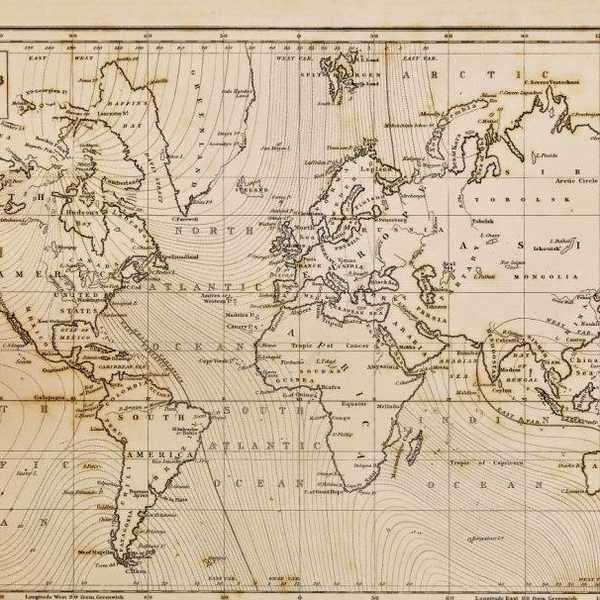
We've all read our history textbooks, but really, have you ever seen them come to life? The facts become stories and the stories speak loudly as you wander the streets where world leaders once stood; as you look up at buildings and theatres, homes and statues, and all sorts of other monuments that represent a broad picture your textbook tried to paint. As an American, I find our country to be so, so young. Three hundred years at the most (I'm from Alaska; our state itself is barely over 50!) isn't much. Yet throughout nations in Europe and Asia and all about the world, we see evidence of emperors and their dynasties, kings and their kingdoms, saints and philosophers, B.C. Through A.D, ancient and medieval and everywhere in between. It's all out there. Go discover your favorite history lesson in the streets, out of the books. It's beautiful.
2. History hurts
Tales of the thinkers, the leaders, the rulers and the game-changers of history rarely have happy endings. Even if they do, tragedy and darkness and pain often coat the stories we read mere detached sentences of in our classes. Eastern Europe remains plagued by architecture under communist rule, hidden in towns and cities outside the historical centers of life in these states. The haunting truth of torture and persecution and slavery and oppression can be found anywhere from Germany to Cambodia. The remnants of war violence plague our world, and the mark of suffering history has left on nearly all the nations leaves a scar where you go. Don't look away; pay attention, even if it hurts.
3. Culture is beautiful
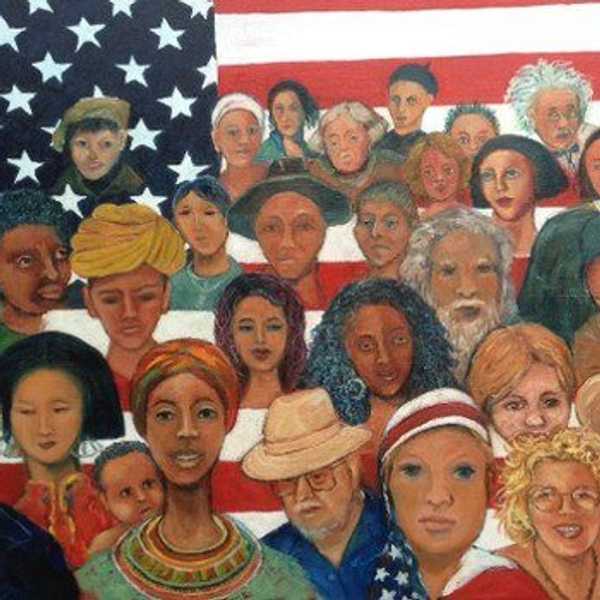
We in America hardly have a culture. Maybe I experience a bit of Pacific Northwest culture, while you're more an upstate New Yorker; he's a sweet Midwest farm boy and she's a sassy southern belle- but America has very little distinctive cultural traits of her own.
It's humbling to come face to face with the unfamiliarities of other cultures. Some people groups place high value on wealth and personal gain, while others seek to honor their leaders. Some drink a lot of beer, some drink a lot of wine, some always offer green tea and some wouldn't dare to drink water without bubbles in it. Some children are expected to work at a young age, and others to be married at 15. Families remain close here, while elsewhere, few even know their relatives. From dances to foods, art to communication, social cues and social quirks, and even the uniqueness of language, culture tells stories. Lean in and go deep- it's beautiful.
4. Culture hurts
Culture consists of people, and people know how to both lift one another up, and put on another down. We can see these tensions within our own country, but even moreso as we venture out. The American "Melting Pot" doesn't necessarily exist or even make sense outside our borders. I remember talking with the only Asian student in a school near Prague, and he commented about how difficult it was for he and his Vietnamese brothers to go to school with mostly blonde hair blue-eyed Czechs. The Czech people themselves struggle with their own culture. A 19-year old student reprimanded my woes about Americans only speaking English: "be positive. You speak the language the rest of the world speaks. Czech language goes nowhere outside of Czech Republic." Most of Eastern Europe, once a thriving religious region of the world, no longer claims any sense of spirituality; the Western world spent too many decades shutting them down. The island of Okinawa once belonged to the locals, but the American military bases there have caused a bit of frustration. Even in the past few weeks, those living on this Japanese island have gathered to protest U.S. military presence in Okinawa. European influence has tainted a majority of African cultures, and today, refugees from places like Syria are forced to abandon their homeland and culture in order to survive.
Stories and art from nearly any culture in the world depicts not moments of joy but of oppression and struggle.
Don't look away; pay attention, even if it hurts.
We all experience pain and suffering. The stories of history and culture help shape and inform who and where we are today. Ultimately, history and culture weave stories of people. People are beautiful, and people hurt– and here is where we are all the same. Our lands and our languages, our art and our journeys, our beliefs and our values, our families and friends, our brothers and sisters all over the world– we all have a story. But the stories are bigger than just one individual, one state or one country. I pray the Lord faithfully expands all our worlds, that we may listen to the echoes of history and culture and lean into the stories as our textbooks come alive. They're ready to be heard.