

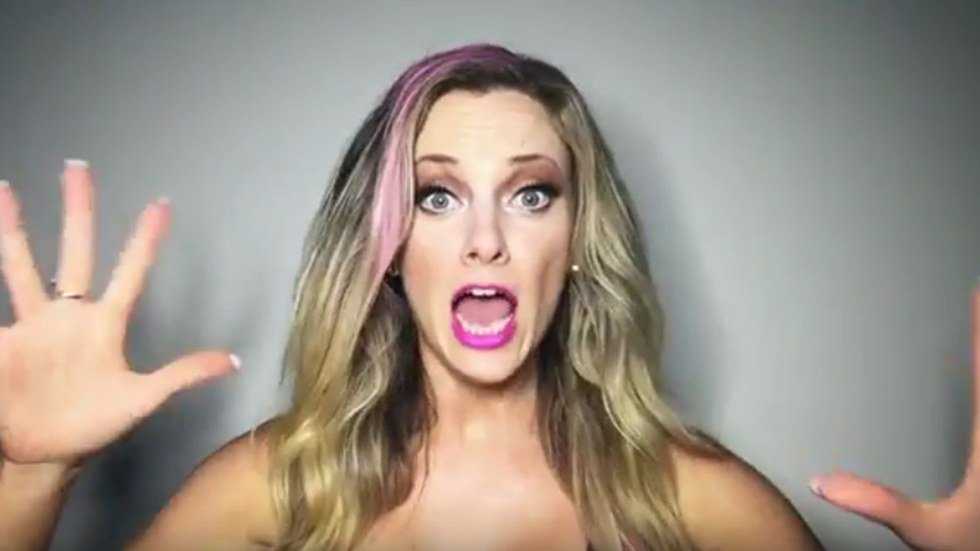
YouTuber Nicole Arbour recently came under fire for her controversial-intended comedic-video targeted towards fat people. Rant videos are not uncommon in the YouTube community, but what makes Arbour's situation unique is that her channel was removed from the site following an unfavorable response to "Dear Fat People."
Her channel was quickly reactivated, along with all of her other videos but it begs the question: why was it removed in the first place? Freedom of speech applies to anyone even if what they have to say is tasteless and far from comedic, right? Well, kind of.
Taking a glance over Arbour's channel, it's apparent that she does not shy away from issues that some people might feel uncomfortable discussing to a large audience. From "Dear Instagram Models" -- where she expresses her distaste towards girls posing nude on Instagram for what she calls “fake attention” -- to “Most Offensive Video Ever” in which she justifies her contentious humor by claiming society has become too politically correct. All of these videos topped off with unnecessary cuts to awkward, unrelated short bits of what seems like an attempt to be the next Jenna Marbles.
Even if you do agree with Arbour’s call to political correctness running a muck in society, it’s debatable as to whether or not stereotypes, imitation, and mockery should be the foundation for a comic’s material.
Arbour often reassures her viewers that what she says is all in the name of comedy, yet her monologues are more often than not composed of archaic stereotypes and, most importantly noted, a not-so-lighthearted tone. Arbour is essentially standing in front of a camera and regurgitating offensive ideas that have been around for years and turns them into a public service announcement.
“You have be really f--king slow to be offended by satire,” Arbour says into the camera in a video titled “Most Offensive Video EVER”, and she says similar things again on her Twitter account to her 53,000 followers. The more times that Arbour feels the need to defend herself, the more evident it becomes that she is at least somewhat aware that what she says in her videos is, in the most simplest of terms, offensive.
Nicole Arbour is the human embodiment of that phrase everyone had in their MySpace profiles circa 2008, i.e. “Haters make me famous!” Arbour seems to receive attention for her controversial statements rather than actually being funny.
In “Dear Fat People,” Arbour fails to “poke fun” at the more pressing issues in regards to obesity in America which is ultimately why her video received such a negative response. Most comedians, when using America’s obesity epidemic as a part of their material, tend to attack America itself; how we put soda vending machines in schools, how easily accessible junk food is compared to nutritious options, etc. They often do this instead of attacking individual overweight people for the entire duration of their performance.
However, let’s keep in mind that it’s difficult to determine the well-being of someone who is “fat” just by looking at them. Arbour is obviously uncomfortable with the appearance of overweight individuals, nothing more, and her video was nothing short of hate-speech directed to a certain group of people made to sound like she’s concerned for the health of them.
Although Arbour’s video being removed for a short period of time wasn’t exactly “American” in that she does have a right to say what she pleases despite her vulgarity, I think it’s a good lesson. The law says that you can say what you want without fear of being arrested, but that doesn’t stop people from expressing how they feel in response.
When someone cries “Freedom of speech!” in an effort to avert those who oppose their tasteless opinion, it becomes almost hypocritical. Suddenly, the initial advocate for “freedom of speech” now, ironically, opposes it.
In time, people will realize the flaws in Arbour’s “entertainment.” The backlash that Arbour received proves that she is a one-trick pony who lacks enough humility to apologize for offending a great deal of people. The removal of her video was somewhat necessary to make a point that a like-minded group of people, when provoked, will assert their freedom of speech in order to subvert someone who they feel has exploited their own first amendment rights.