


The time is 1:58 a.m. GMT +3, or 3:58 p.m. Pacific Time. All is still in the house. In my bedroom, I sit with bated breath; home address, separate billing address and credit card information prepared on a sticky note. The lights are off and the only source of illumination, my laptop, casts an eerie glow over my face. Next to me, my best friend is on speakerphone. On the floor, forgotten, review papers for an exam that is set to start in six hours.
The clock hits 2 a.m.
I spring into action. I’ve refreshed the page, added items to my cart and moved onto checkout in less than a minute. I am frantically filling in information, can hear a muttered string of curses coming from the phone as my friend and I race against 100,000 other people.
In the end, I do not make it. By the time I try to enter my billing address, the page refreshes and the stock is gone. My friend, however, does. We rejoice. I don’t recall feeling this happy when I was accepted into Princeton. I can’t sleep for an hour afterward.
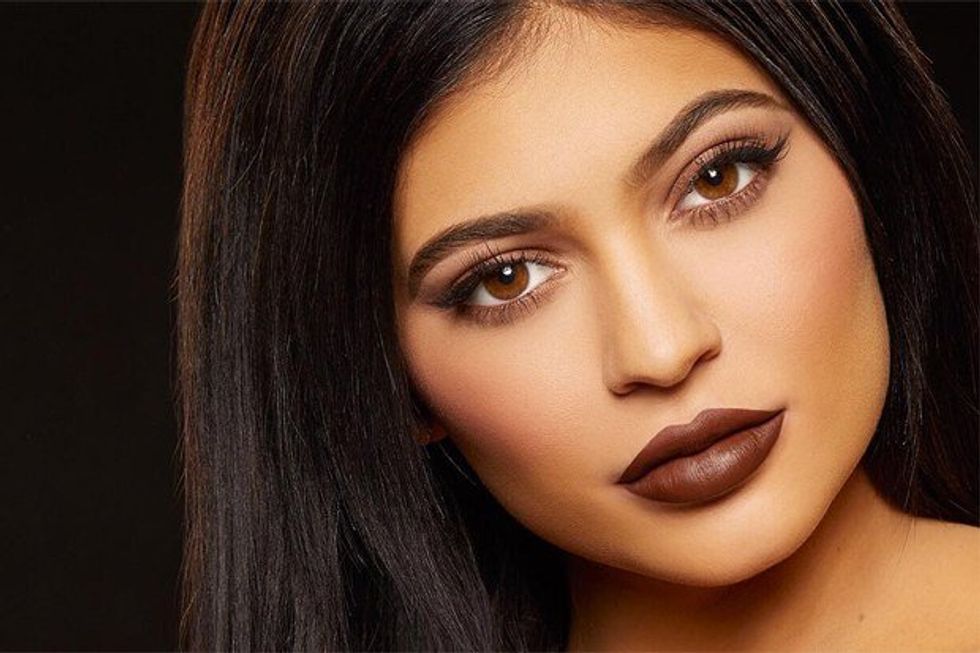
It has now been more than five months since Kylie Jenner launched her lip kit line. With every coveted restock, they sell out in less than 30 minutes. These matte liquid lipsticks aren’t the single best thing on the market right now—I’m sure I could find better ones, probably even for cheaper than $29 a pop. But, they don’t have Kylie’s name on them.
The success of these lip kits is the greatest testament to the power Kylie has over millions of people. Her name signifies wealth, popularity and beauty. A lot of people mistakenly believe that today’s teenagers have no sense of direction, no motivation, but the American Dream has changed— and with it so have our role models.
We no longer aspire to have the window-facing cubicle or manicured lawns; we want private jets and personal make-up artists, and thanks to the openness of the Kardashians, it’s pretty easy to dream. We watch Kylie choose which of her Ferraris to drive to a reservation-only restaurant on her Snapchat, drool over her heels on Instagram and wish we could be friends with the people she talks to on Twitter. We want to be successful, for our only worries to be what handbag to wear out tonight and not how we’re going to afford a college degree that we’re not even sure will help us get a job.
We jump at the chance to do anything Kylie is doing, to be like her. We have the energy, we have the drive, but the only medium we are given to channel it is lipsticks and hair extensions.
It baffles me that nobody but the Kardashians has realized this. They do not underestimate the power of millions of teenagers and young adults trying to make it in this world, or at least give the illusion that they did make it. This is why they have their own clothing brands, perfume lines, books and on and on it goes. They’re taking advantage of a situation few others seem capable of doing to this extent. Kylie never (at least openly) elevates herself from her fans; her key selling point is that she is just like them, except she has a net worth of about $5 million.
In theory, if somebody could harness this power, somebody with the same kind of platform, and use it for something other than personal financial gain— the possibilities are endless. Overpriced merchandise where the proceeds would actually go to charity, a start-up competition where the prize is spending a day with a celebrity, world domination.
The youth of today are too often mocked and belittled, not taken seriously, but they have every bit of the talent, energy and motivation necessary for global change. The only thing they need now is a leader to show them the path to success. And until the rest of the world clues in on that, Kylie Jenner is more than happy to keep the throne warm.

















