


As a junior in high school, I remember being completely entranced with the 30-minute video of Kony 2012. From the cute young boy wanting to stop the child solider-producing villain, to the simple solution of “covering the night” with posters in order to make Kony famous, I believed we’d influenced lawmakers and celebrities enough for them to make a difference and catch this heinous human. Although the campaign was successful in gathering the attention of celebrities, there were two major faults in the Kony 2012 plan. What this campaign failed to realize is that actual policy makers don’t turn to celebrities for advice; rather, they turn to them for what everyone else does: entertainment. There was also no further action plan past making this man famous. At the time, I didn’t realize these flaws and I was personally offended (and also confused) when my English teacher said it was “one of the smartest yet manipulative pieces of advertising” she’d seen.
Now, there’s the introduction of the United Nations Global Goals. According to the UN, the Global Goals are “17 global goals to achieve 3 extraordinary things” created by world leaders to end extreme poverty, fight inequality and injustice, and fix climate change by the year 2030. The goals are hauntingly similar to the campaign plan of Kony 2012, only backed by more powerful people *insert Beyoncé here.* The Global Goals campaign believes that if we make these goals famous through charity concerts, social media posts and word of mouth, these actions will succeed. What people fail to mention with this concept is that in order to be successful, we have to keep these goals famous for 15, yes fifteen, years. I can feel policy makers shaking their heads and making bets on how long this will last and how long people will push to make a difference. However, the funny thing is, these are the same policy makers that formed the goals in the first place. With such a long timeline of needed involvement, as well as no clear action plan on how each goal can be accomplished, leads me to fear that the United Nations Global Goals will be the next Kony 2012.
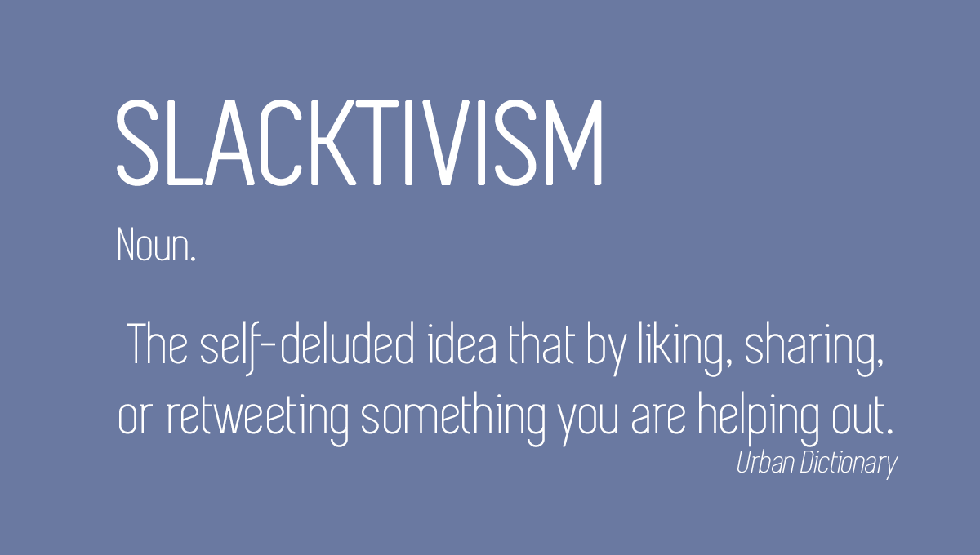
Although flawed, It’s no surprise to me that the Global Goals campaign is taking the same direction as Kony 2012 because, for a short amount of time, it is effective. This type of campaign promotion through social media and online content is really a test of the digital space to see if technology is as powerful as we think it is to connect people and bring them together for a greater cause. Though some may dub this as “manipulative,” the thought that a tweet, Instagram or Facebook post is making a larger difference in the world is what fuels the younger technological generation to act. What people fail to realize is that with the era of slacktivism, activism that merely exists through a click on a screen, the passion for each project falls rather quickly. The world wide web is never on the same topic for too long. Take hashtags for example, like #alsicebucketchallenge or #forthekids. Even though people are still supporters of these causes, the hashtags have cycled out of the public eye and so have the causes. We are now turning into a society that needs reassurance that we’re making a difference before we actually make a difference. From placing value on causes based on the amount of social media likes a post gets, or basing a donation on getting a free gift with “purchase,” it has become commonplace in the era of slacktivism to base your selflessness out of selfishness.
Now, campaigns such as Kony 2012 and the UN Global Goals depend on this slacktivism as the “smart” way to bring the technological generation into their cause’s conversation, and the real passion is for making a change is lost. This is why, I believe promotional campaigns focused too much on social media and online awareness will gain popularity but lose passion and ultimately fall flat. This, as well as the lack of an actual action plan, is why I believe Kony 2012 failed; if the UN Global Goals doesn’t change its course, it is set for the same destiny. I know that we are not a world of uncaring people, but the way we choose to support causes, and the way these causes enable this type of support is something that needs to be changed in order to bring back passion to causes that deserve it.

















